
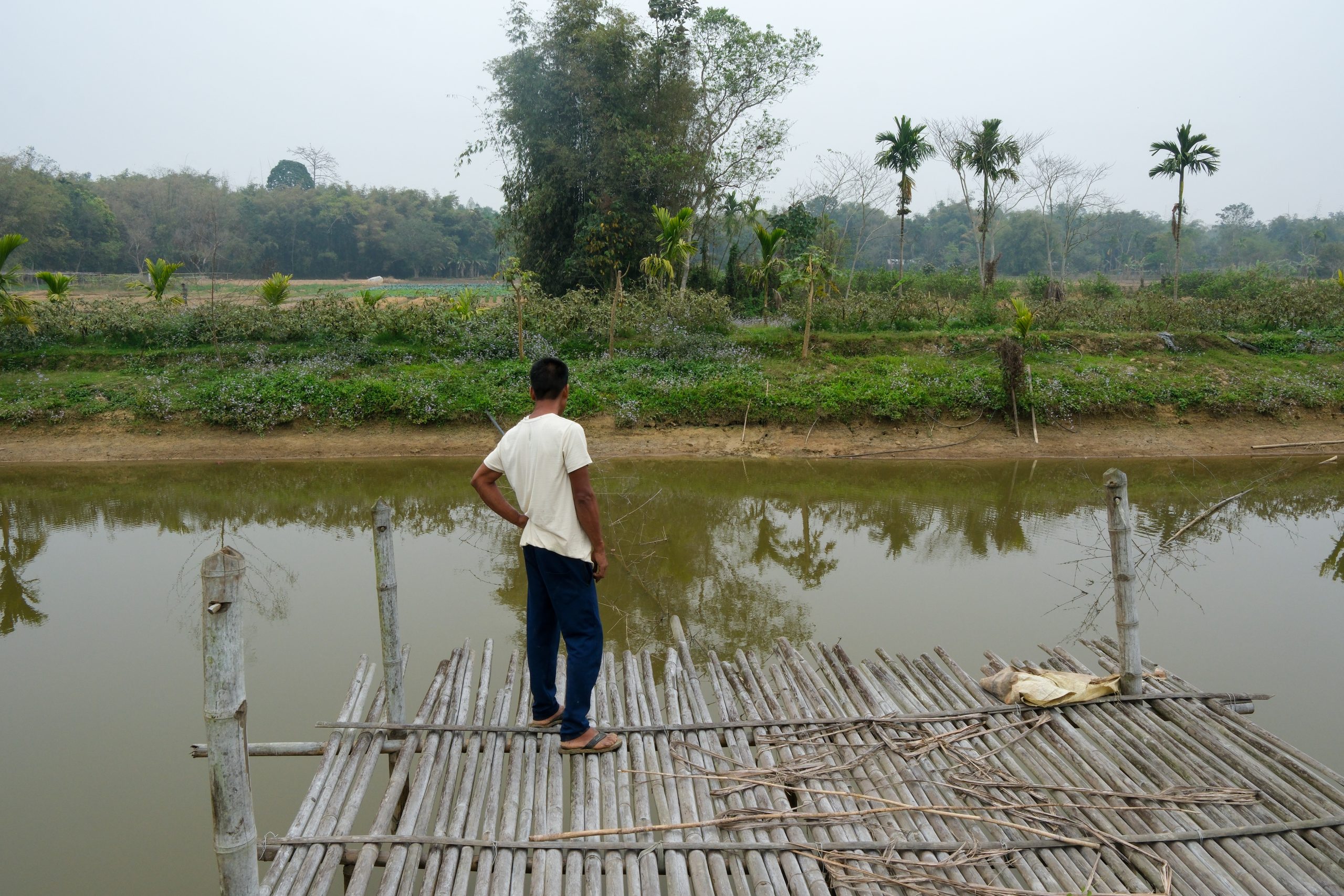
Safe water does not begin at the tap. Across India, groundwater sources that sustain rural drinking water are under growing stress from over-extraction, climate variability and land-use change. We believe that preserving and replenishing these sources is central to ensuring service reliability across rural India.
- Projects
15
- States
10
- Partners
27
- Households
1,452,632
- People Reached
7,263,160
OUR APPROACH
Our work on source sustainability began long before it became a national concern. At a time when water programmes focused largely on infrastructure delivery, Arghyam was among the first organisations in India to foreground groundwater as a shared, finite resource that must be understood, governed and replenished collectively.
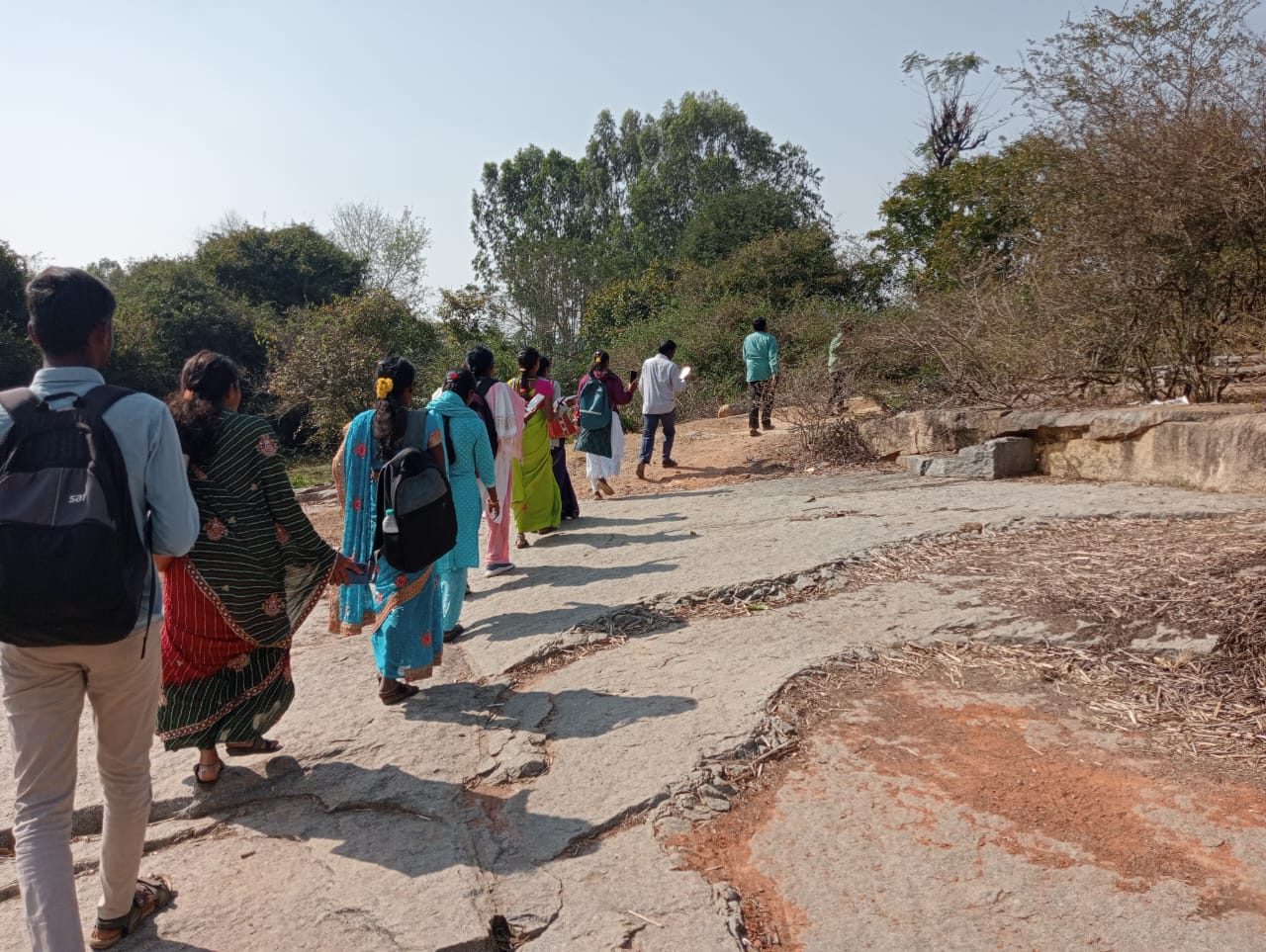
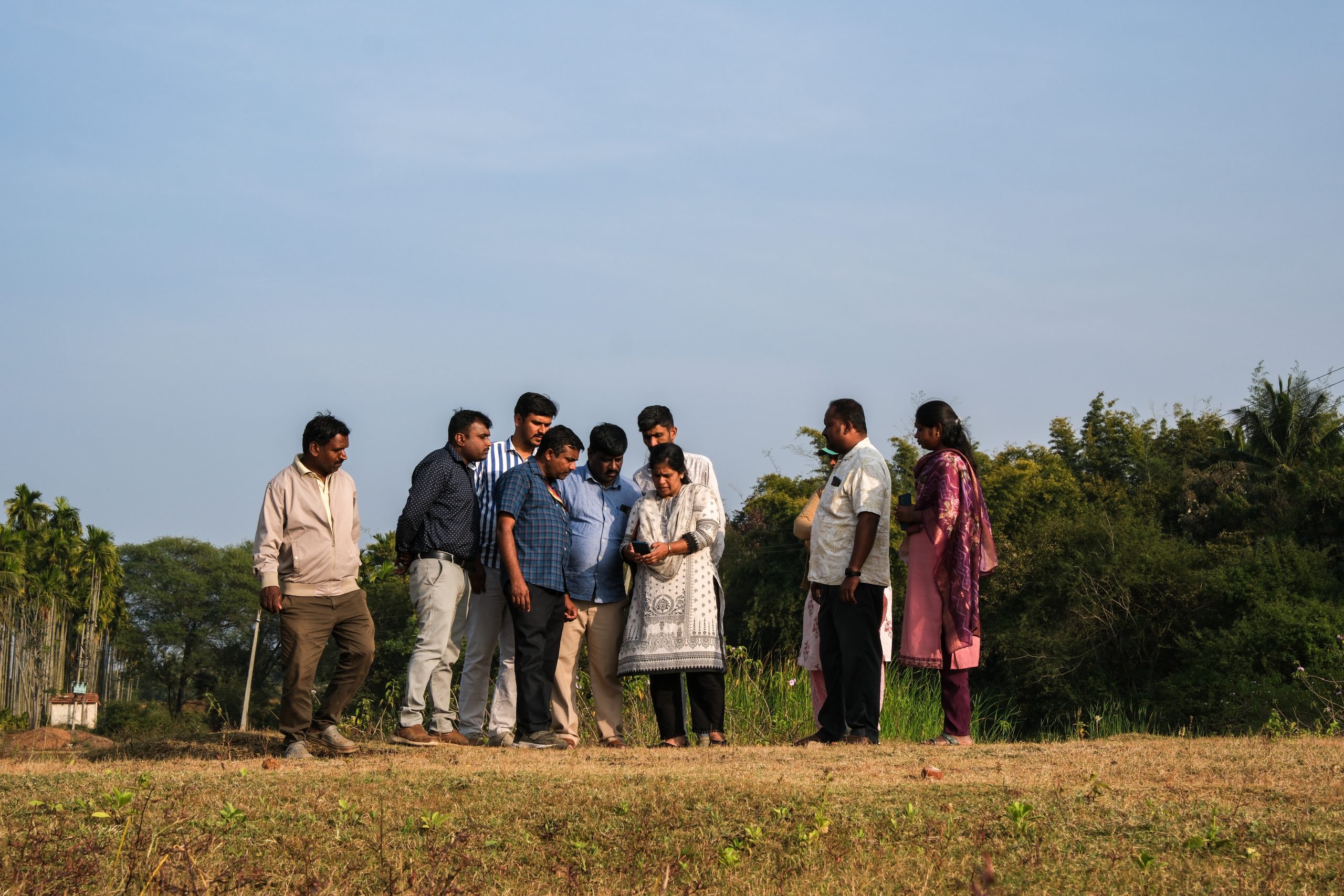
Over the years, our approach has evolved from supporting local watershed and aquifer management initiatives to shaping broader frameworks for source protection at scale. We have worked with communities to map aquifers, understand recharge patterns and link everyday water use to long-term availability. At the same time, we have supported practitioners, researchers and governments to bring scientific hydrogeology into village-level planning and decision-making.
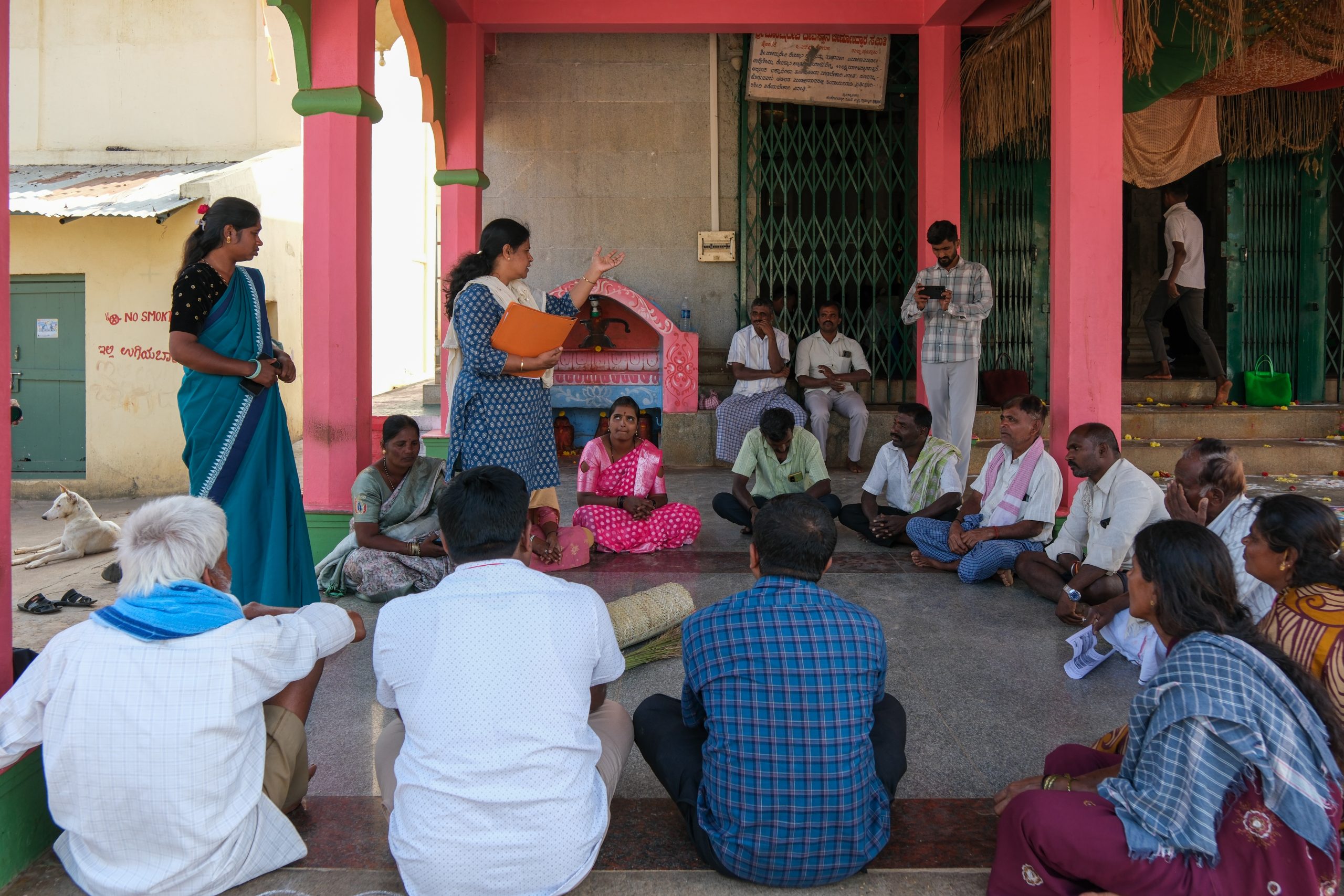
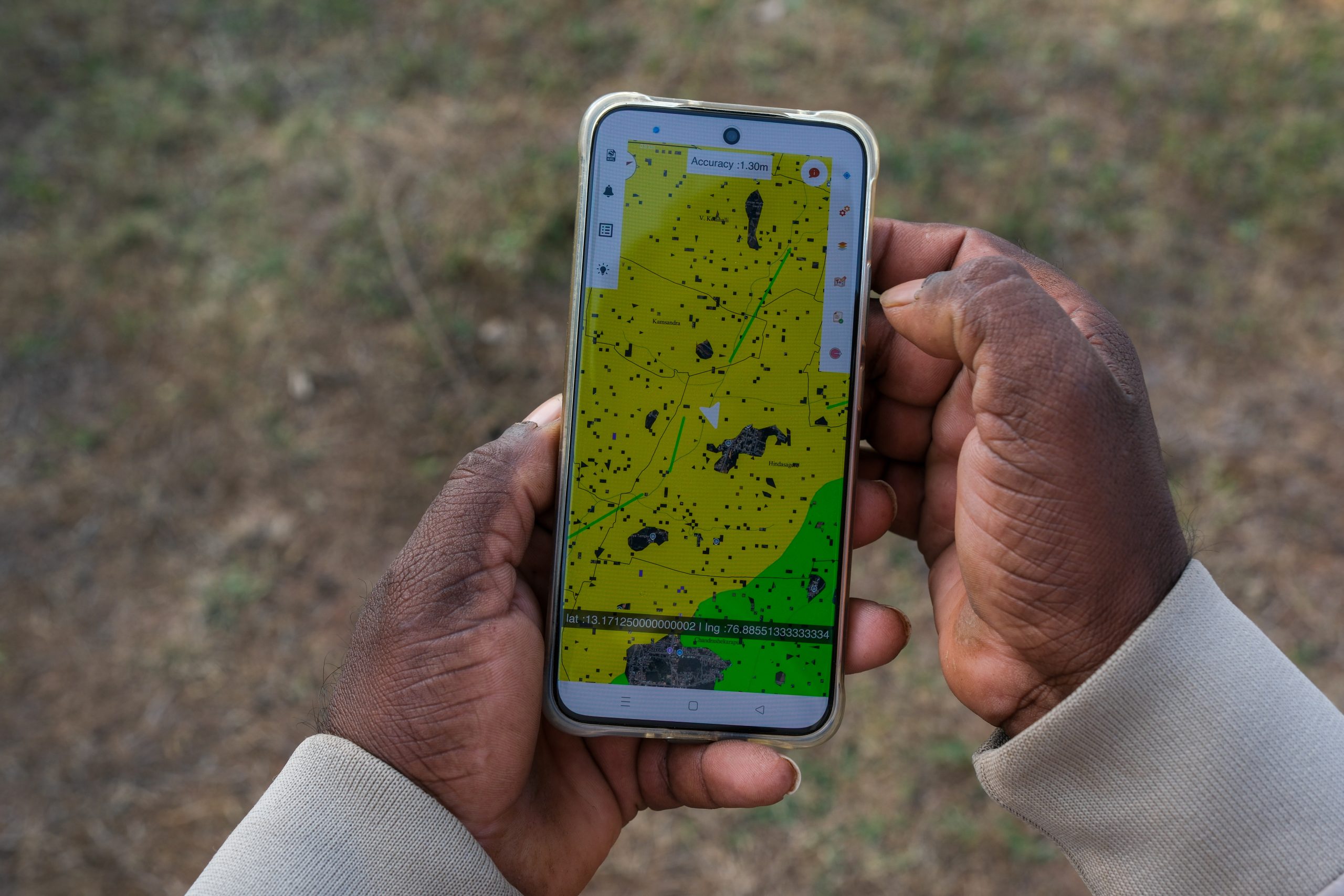
Today, our source sustainability work combines community knowledge, scientific assessment, and system-level planning. Through tools such as participatory groundwater management, springshed restoration, and water security planning, we help translate data into locally owned action. Increasingly, this work is embedded within public programmes, ensuring that source protection is not treated as a parallel activity but as a core pillar of drinking water governance.
By connecting groundwater science with local institutions and state systems, Arghyam’s approach aims to ensure that drinking water sources remain resilient today and for generations to come.