
Background
The COVID-19 pandemic created widespread disruption across rural and urban communities. Migrant workers, daily wage earners and vulnerable households faced loss of livelihoods, limited access to health care and interruptions in essential services. While Arghyam’s primary focus is water security, it has historically supported relief efforts during disasters through its partner network.
In 2020–21, the scale and duration of the crisis required coordinated support that extended beyond immediate relief to include recovery and resilience.
SOLUTION
Our Approach
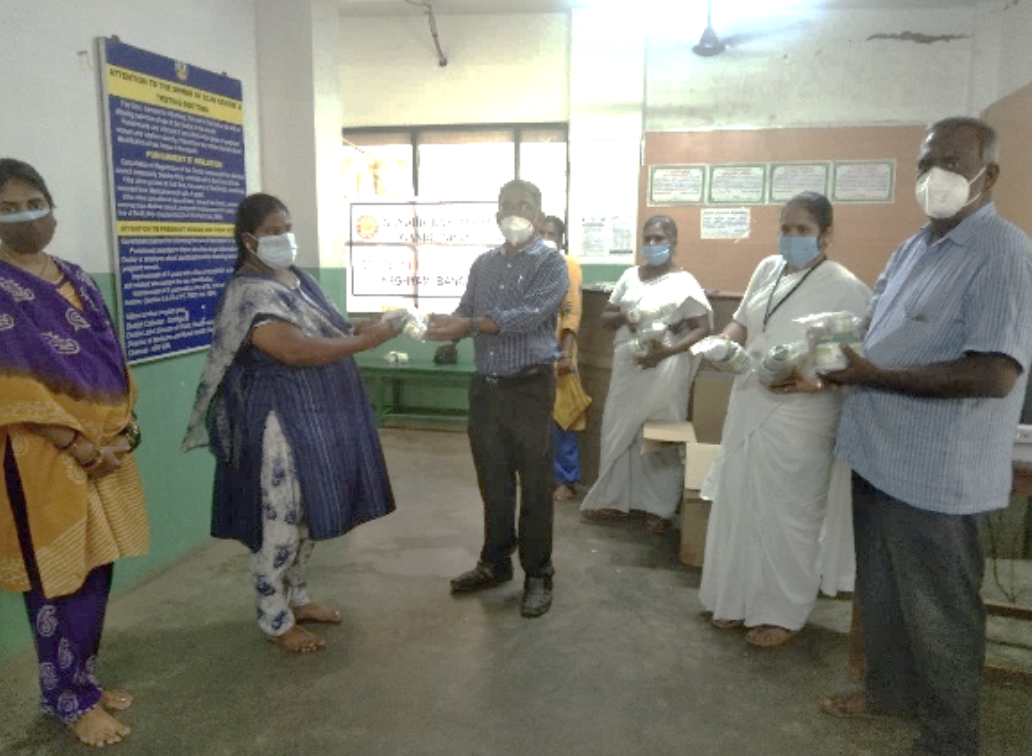
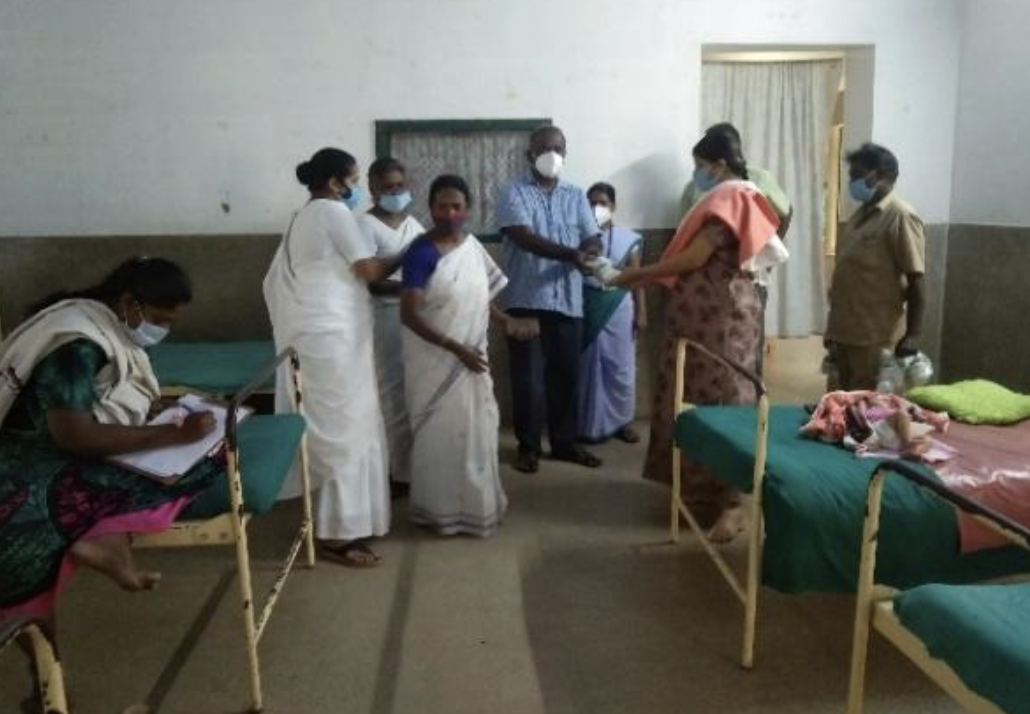
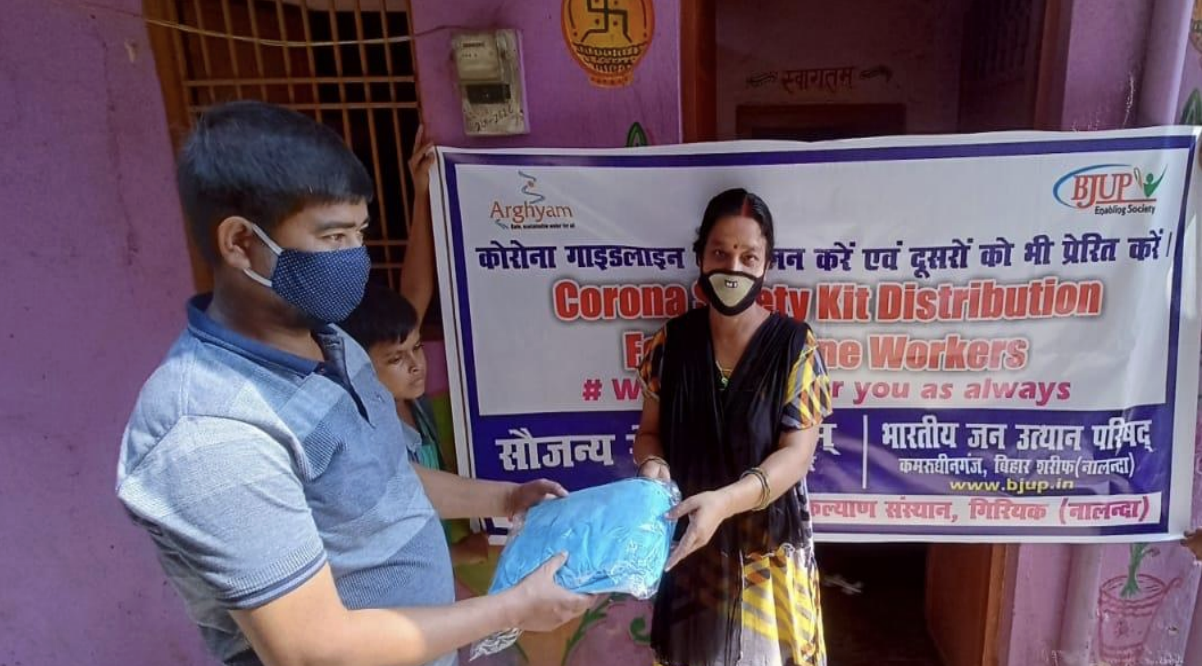
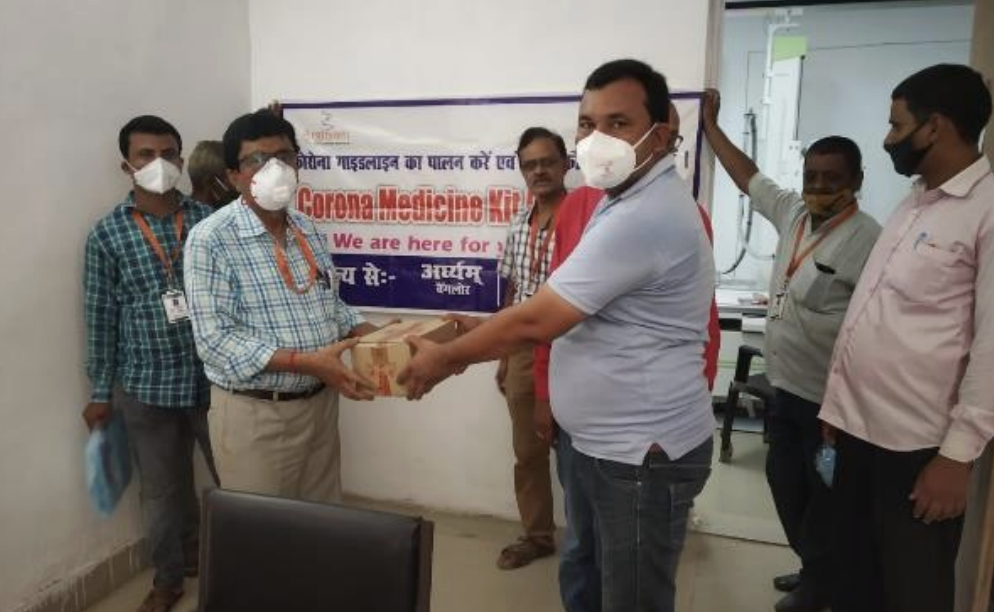
Arghyam set aside dedicated funds to enable partners to respond rapidly to local needs. Relief measures included distribution of food kits, basic medicines and support to stranded migrant workers. As the crisis prolonged, support expanded to include bridging learning gaps for children, facilitating access to citizen entitlements and supporting livelihoods through organic agriculture and micro-enterprise development.
Partners worked with vulnerable groups including migrant labourers, women in informal trades, widows of farmers and adolescents from HIV-affected families. Field teams shared that flexible funding allowed them to adapt interventions to evolving local realities. Community members noted that assistance during the most restrictive phases of lockdown helped stabilise households and prevent deeper distress.
By the end of 2020–21, relief and recovery efforts had reached over one lakh people across 12 states. The response demonstrated the strength of long-standing civil society partnerships and the importance of community-based networks during systemic crises.