
Background
Bihar has expanded tap connections rapidly, but sustaining reliable service remains challenging due to weak operations and maintenance systems and limited cost recovery. To address these gaps, Arghyam partnered with implementation organisations to pilot a decentralised model that integrates community governance, frontline capacity building and digital tools. The work aims to strengthen first-mile governance and demonstrate how local ownership can improve service reliability and financial sustainability.
SOLUTION
Our Approach
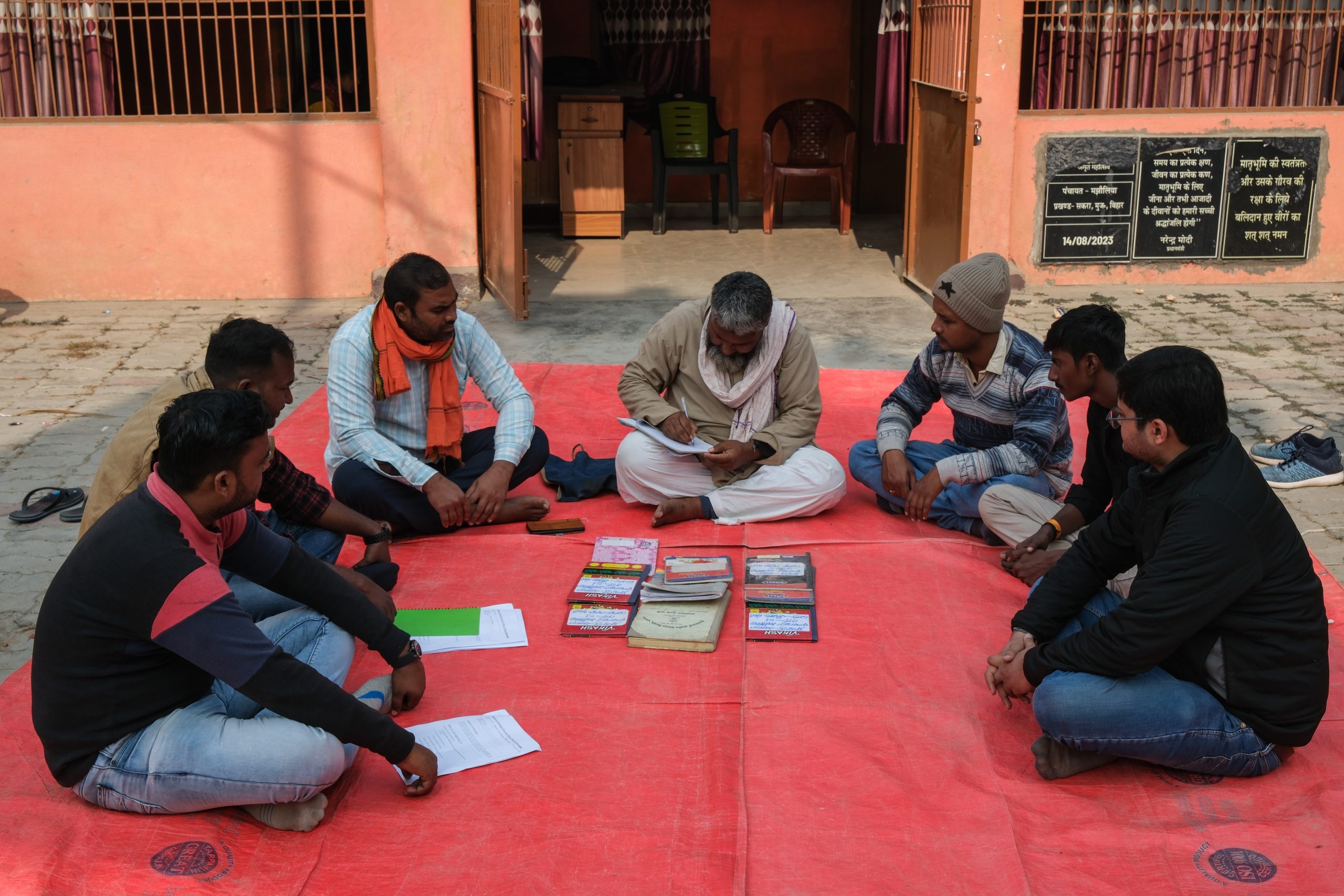
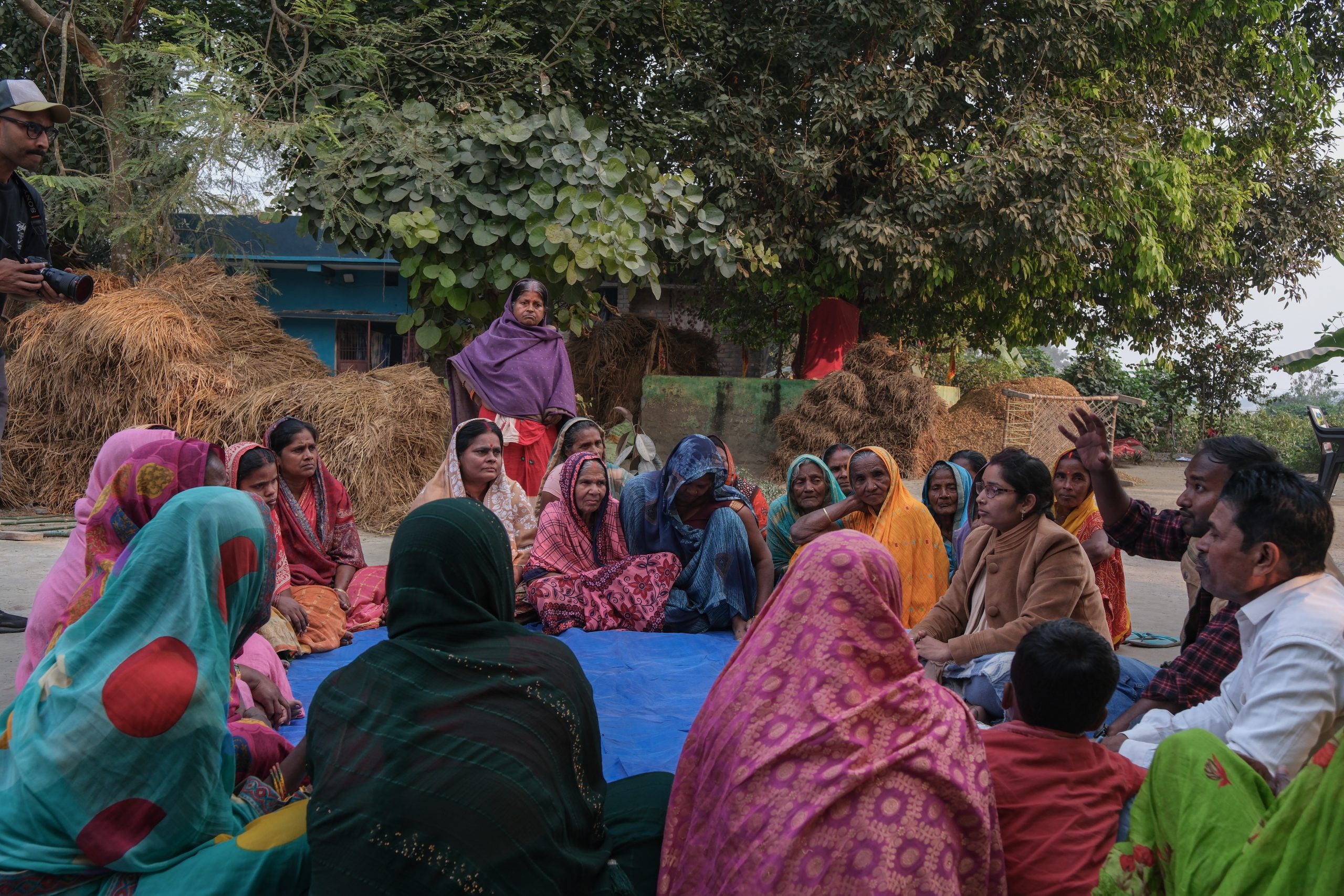
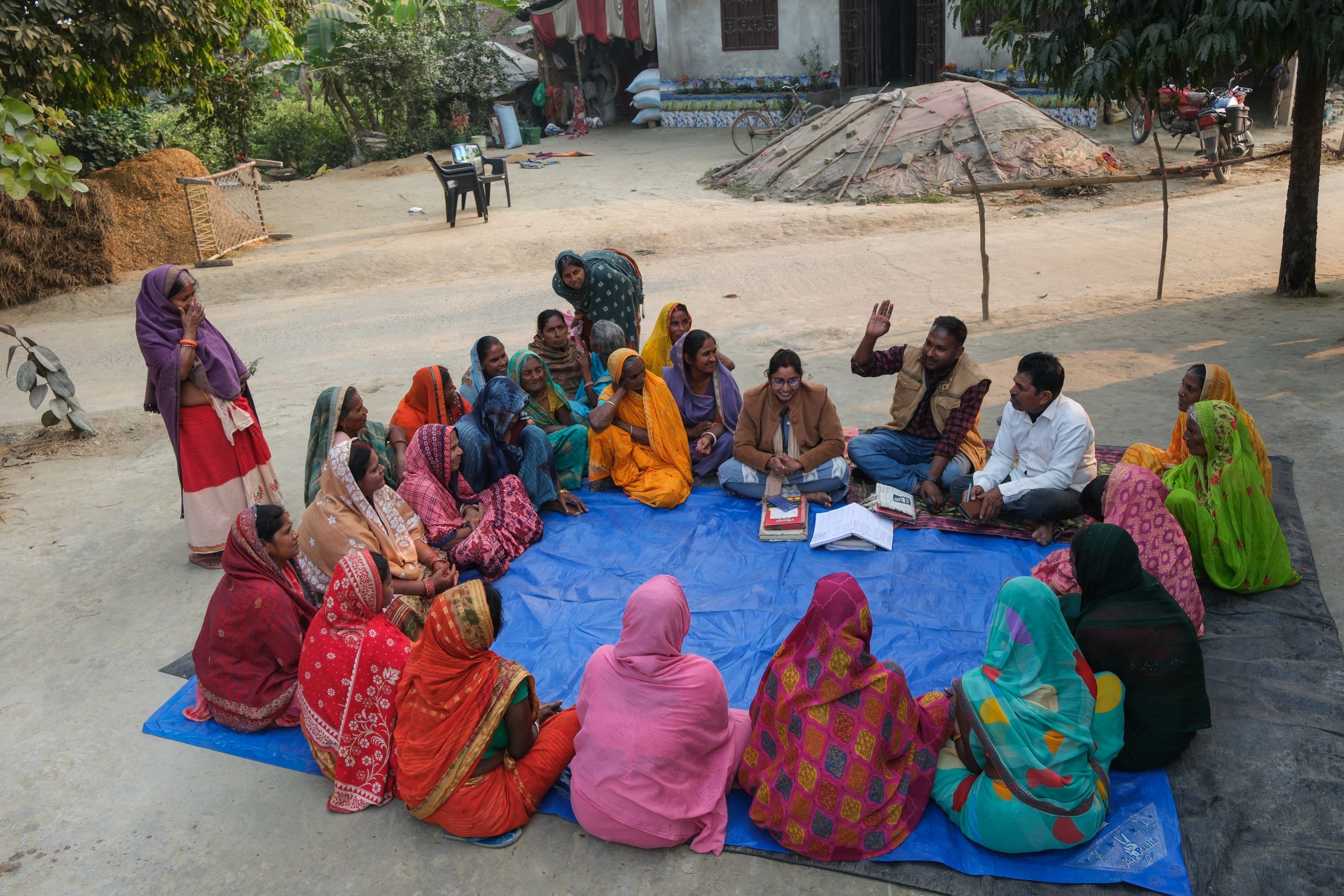
The project worked through Ward Implementation and Management Committees and frontline workers known as Anurakshaks. During 2024–25, the initiative covered 621 wards across five districts, reaching more than 70,000 households. Community forums such as Jal Chaupals were used to resolve service issues collectively, with 911 Jal Chaupals conducted during the year.
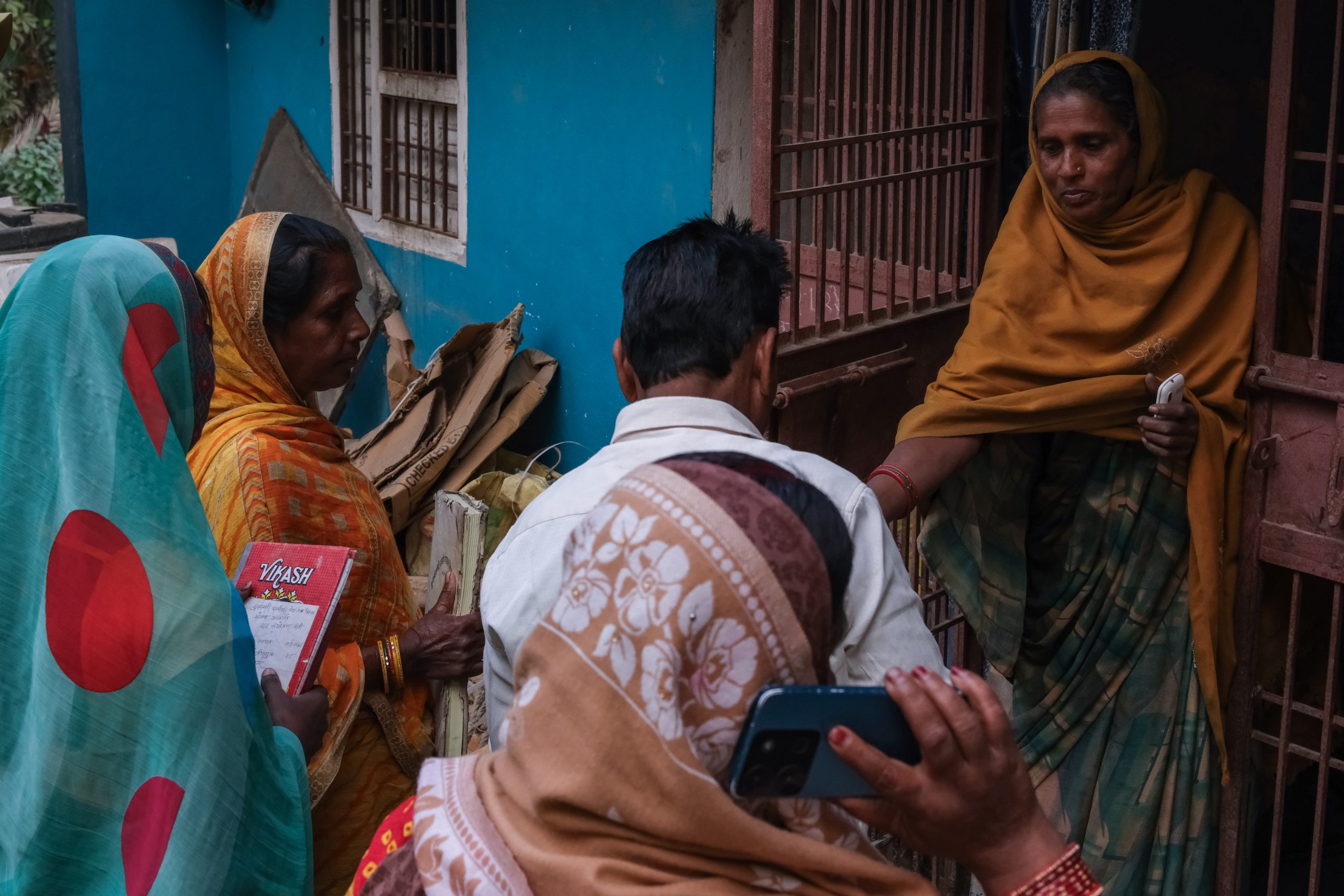
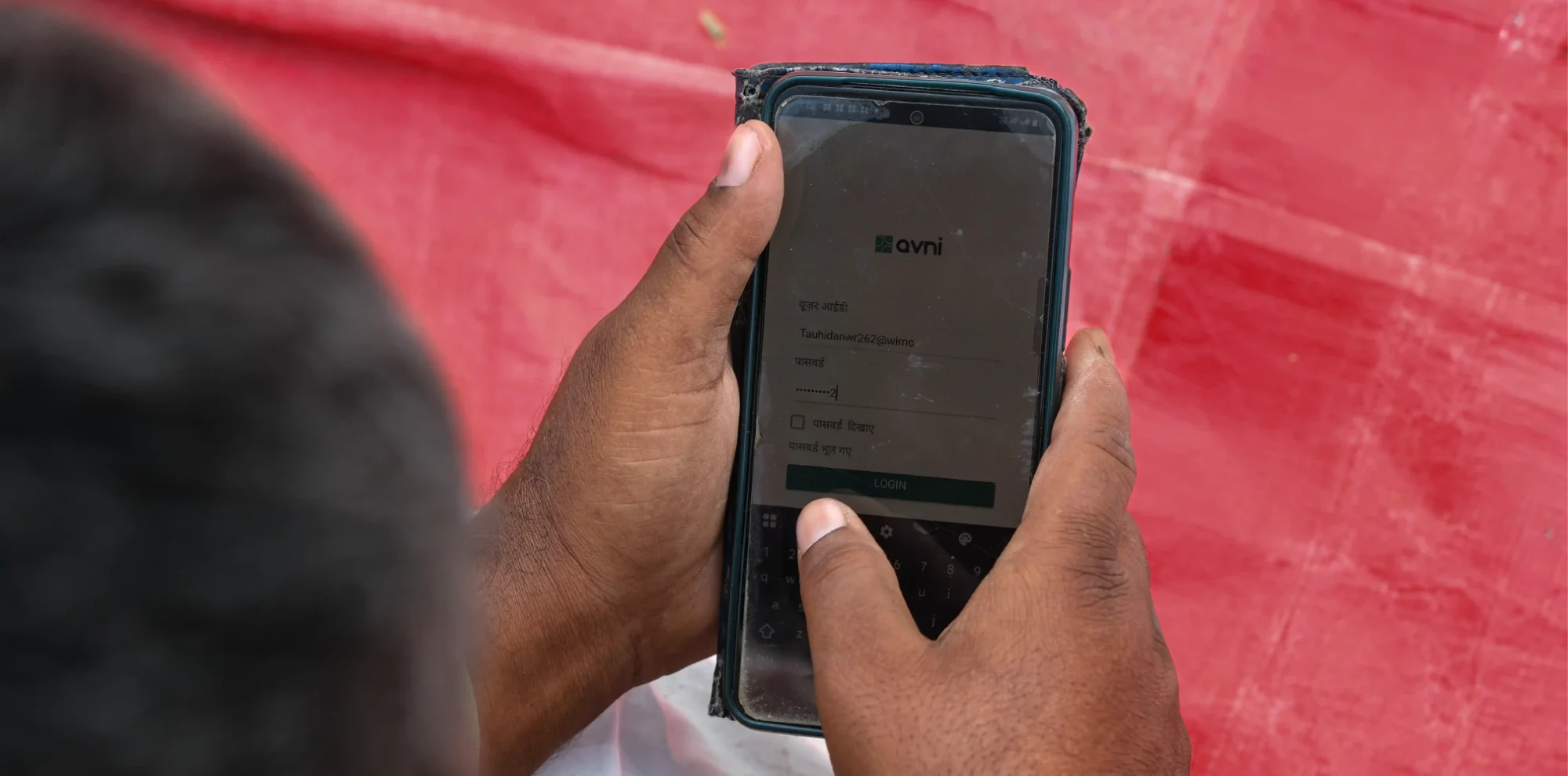
Operational improvements included 526 tank cleanings and 878 water quality tests. Digital tools played a central role in strengthening accountability. Avni was used for task tracking and issue management, while mGramSeva supported billing and collections. Together, these systems enabled more transparent record keeping and follow-up.
Financial sustainability was a key focus area. The project supported tariff collection processes that resulted in ₹1.94 crore collected during the year. Dashboards were developed to give frontline workers and block officials a consolidated view of scheme performance.
The work demonstrated clear links between improved record keeping, timely repairs and willingness to pay. The 2024–25 phase focused on expansion, evidence generation and preparing the model for wider adoption.