Operations and Maintenance Phase II – Digital-enabled Integration

Focus Area
Operations & Maintenance
Location
Bihar
Partners
AKRSP-I, Water For People
Duration
2023 - 24
Households
1560
People Reached
7,800

Background

As piped water infrastructure expanded rapidly in Bihar under the Jal Jeevan Mission, sustaining functionality emerged as a critical challenge. In Muzaffarpur district, schemes were often affected by delayed repairs, weak financial tracking and limited visibility of routine operations. While community institutions such as Ward Implementation and Monitoring Committees were mandated to oversee scheme functioning, they lacked practical systems to manage daily tasks at scale. In response, the Government of Bihar introduced the Digha Kalan Anurakshak Niti to formalise ward-level roles for operations and maintenance. By 2023–24, the focus shifted to operationalising this policy on the ground. This year’s work addressed the gap between policy intent and everyday practice by strengthening the ability of Anurakshaks and WIMCs to carry out, record and monitor O&M activities in a transparent and accountable manner.

SOLUTION

A community-led O&M model supported by simple digital tools to track tasks, manage finances and strengthen local accountability in rural water supply schemes.

Our Approach

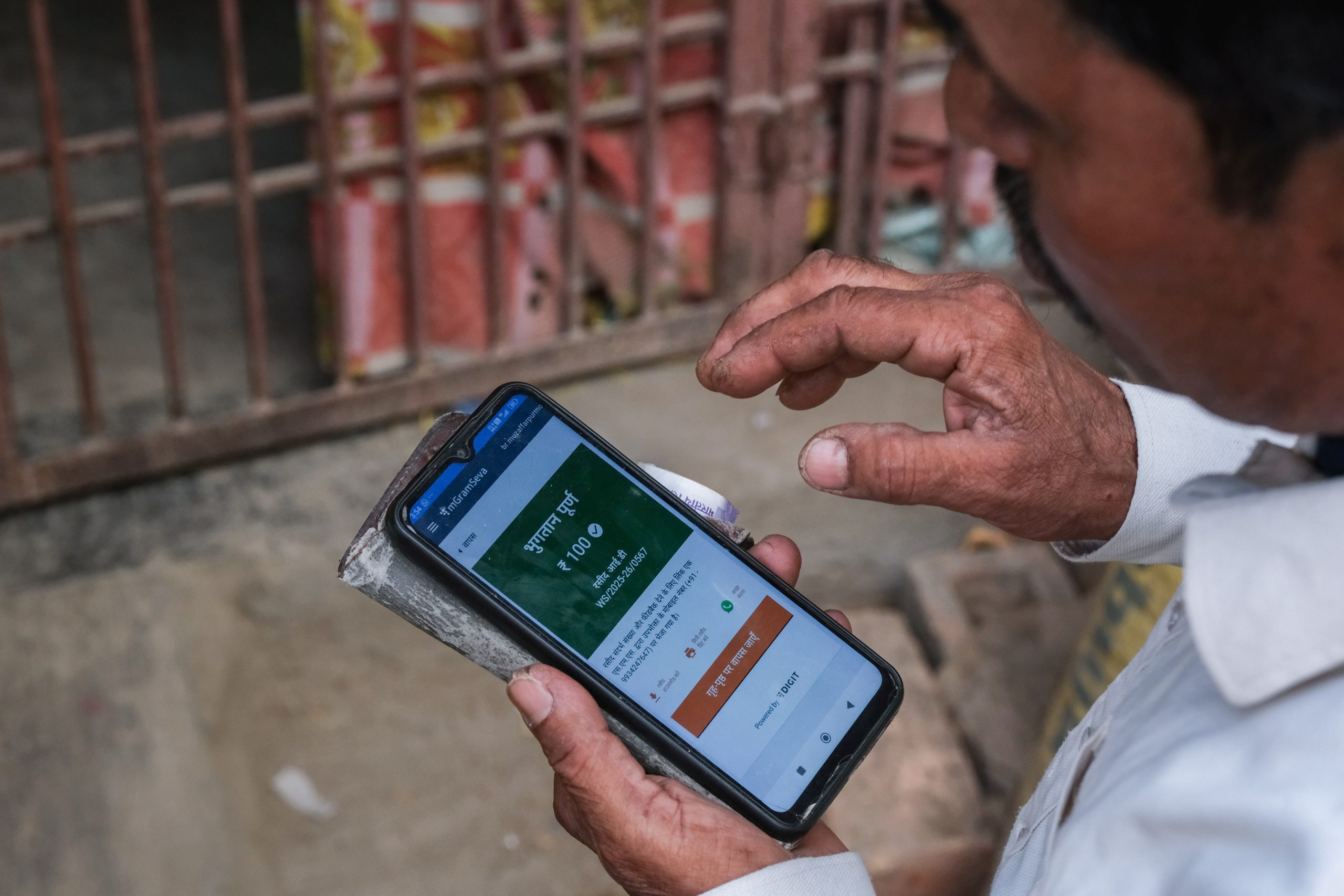
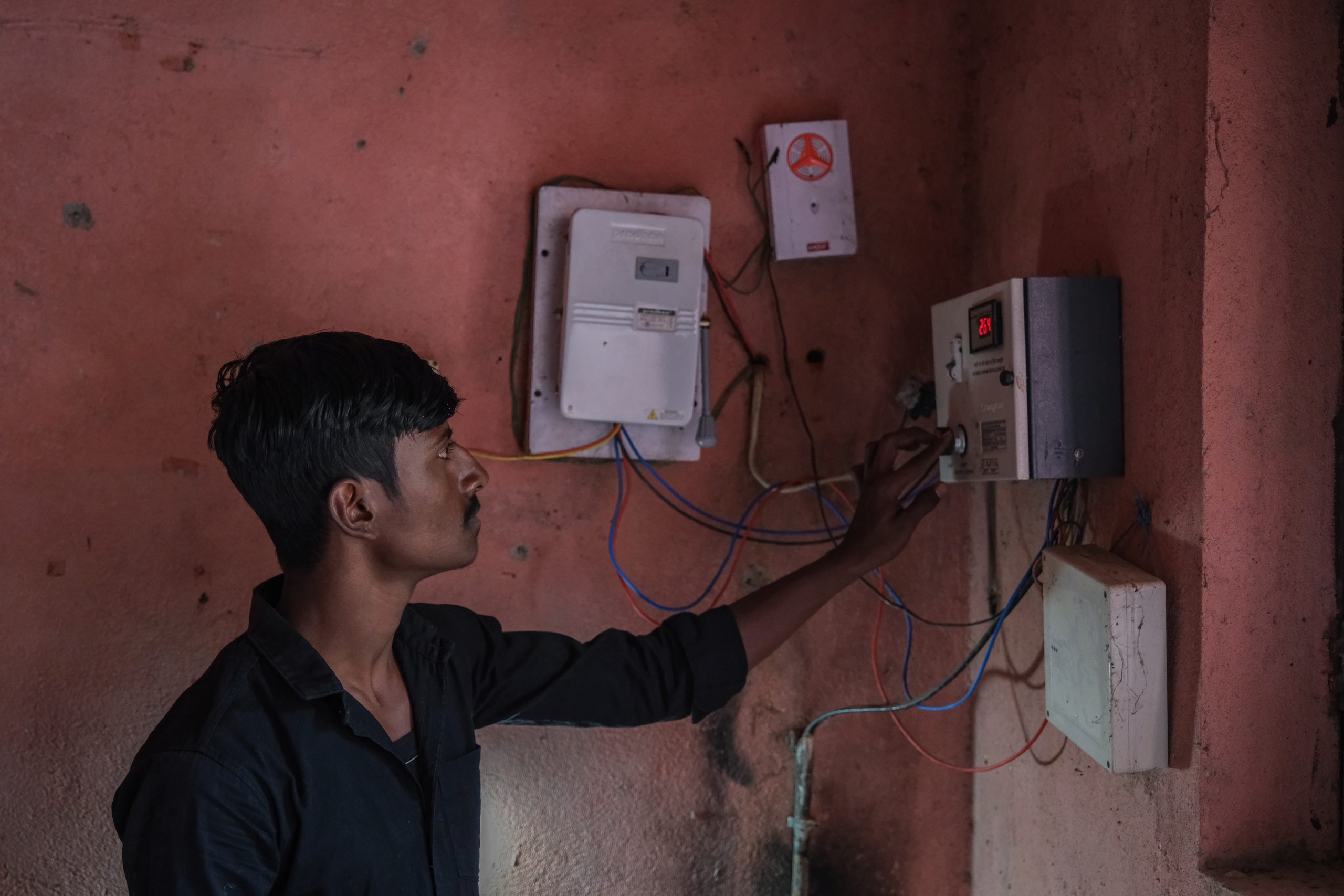
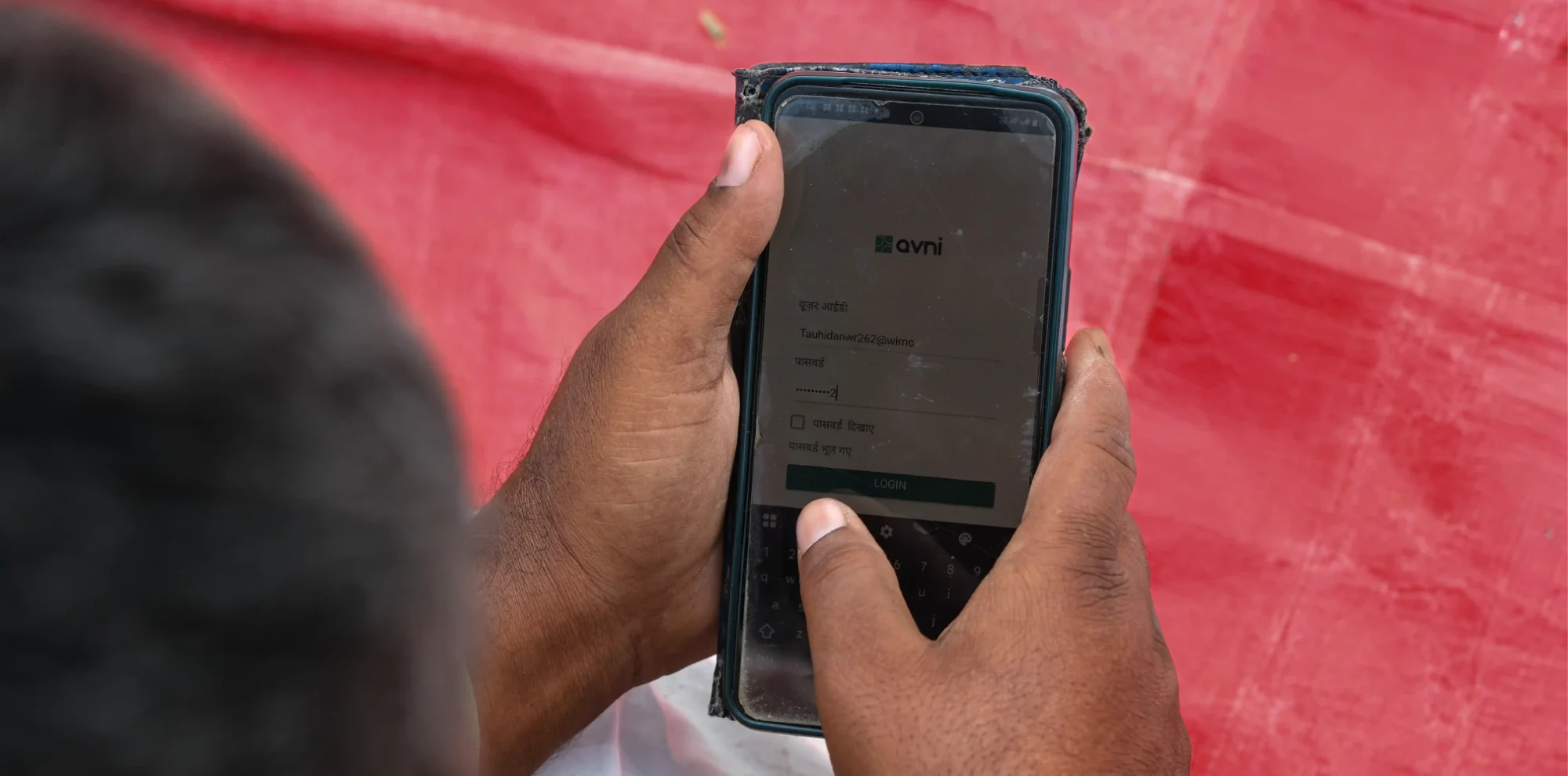
The intervention centred on integrating digital tools into the existing responsibilities of Anurakshaks and WIMCs, rather than creating parallel systems. Two tools were embedded into daily workflows. Avni was used to record routine O&M activities such as valve operations, minor repairs, tank cleaning and community engagement. mGramSeva supported financial management, including billing, payment tracking and expenditure reporting.

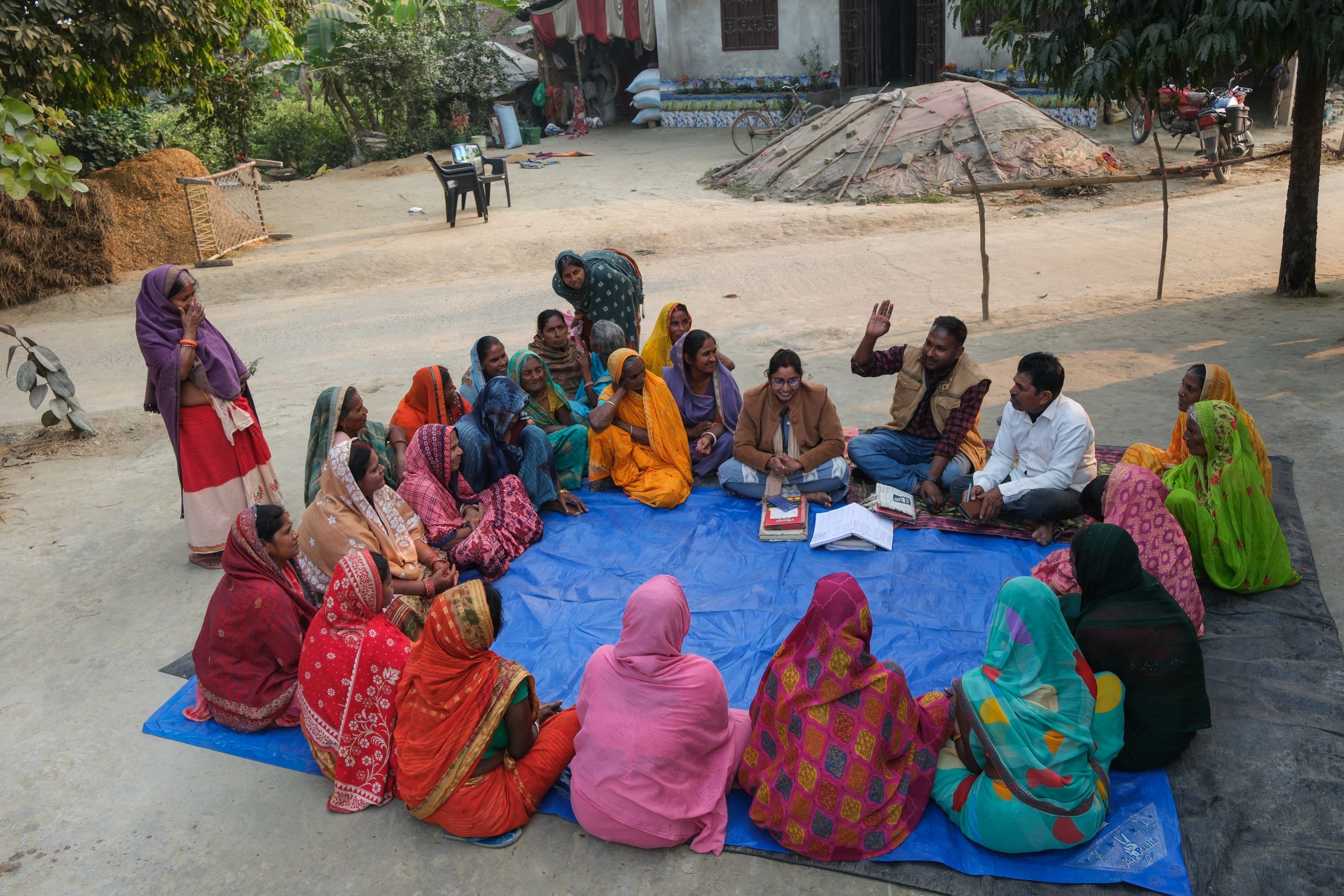
All 548 Anurakshaks in Muzaffarpur were trained to use these tools as part of their regular work. Mobile-based records replaced paper registers, allowing information to be accessed easily by frontline workers, gram panchayats and block officials. This shift reduced administrative burden and improved continuity of records.

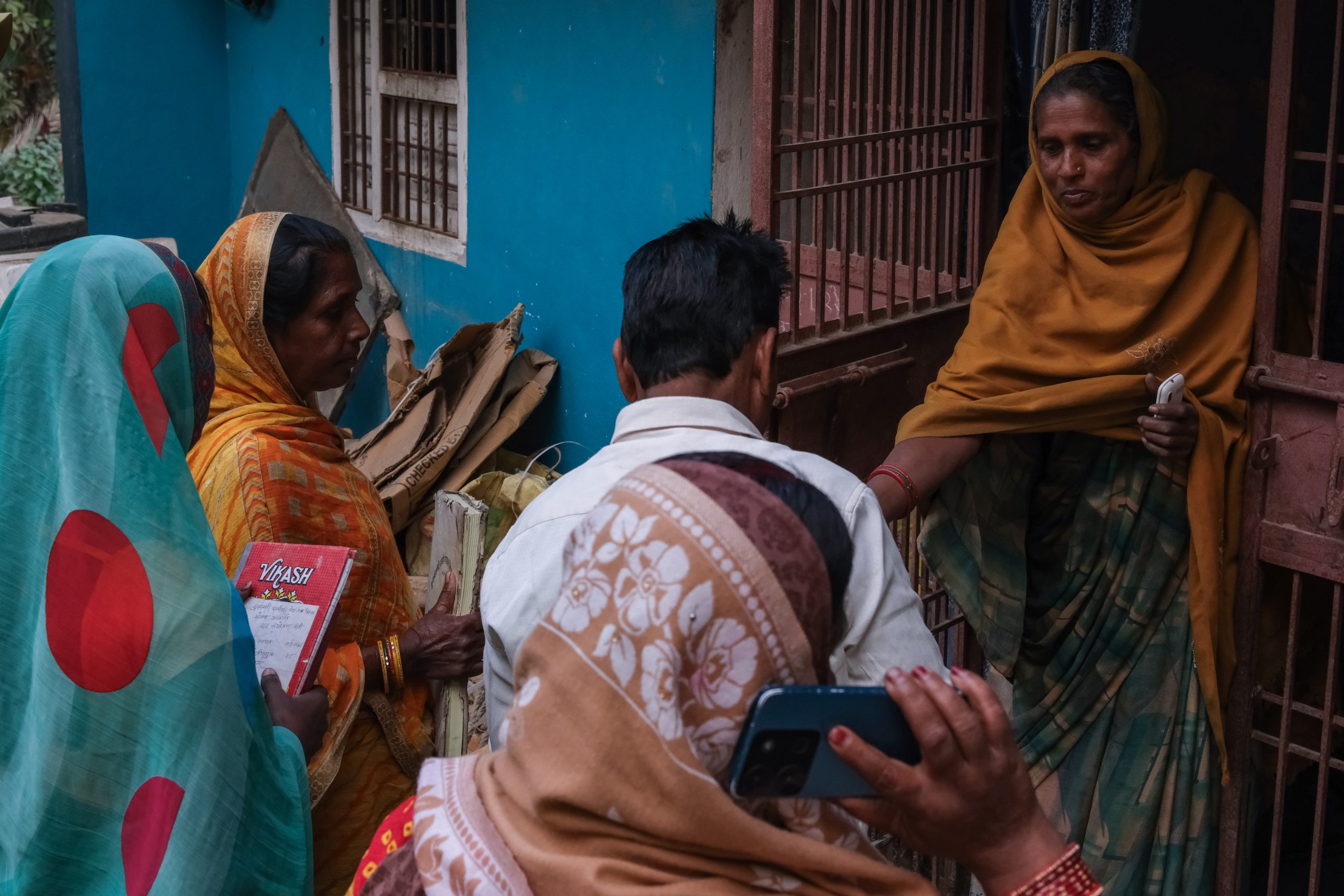
Frontline workers shared that generating bills through the app simplified collections and reduced disputes with households. They also noted that not having to carry registers made their work easier and more reliable. Data from Avni helped identify non-functional schemes early, enabling faster coordination between WIMCs, gram panchayats and engineers. Financial data from mGramSeva improved transparency around tariffs and expenditure, strengthening trust between communities and local institutions.

The experience demonstrated that when digital tools are aligned with local roles and supported through training, community institutions can manage routine O&M more effectively and with greater confidence.