
Background
Operation and maintenance is often the weakest link in rural water supply systems. Infrastructure may be built with public investment, but without clear accountability, trained personnel and community ownership, schemes quickly deteriorate.
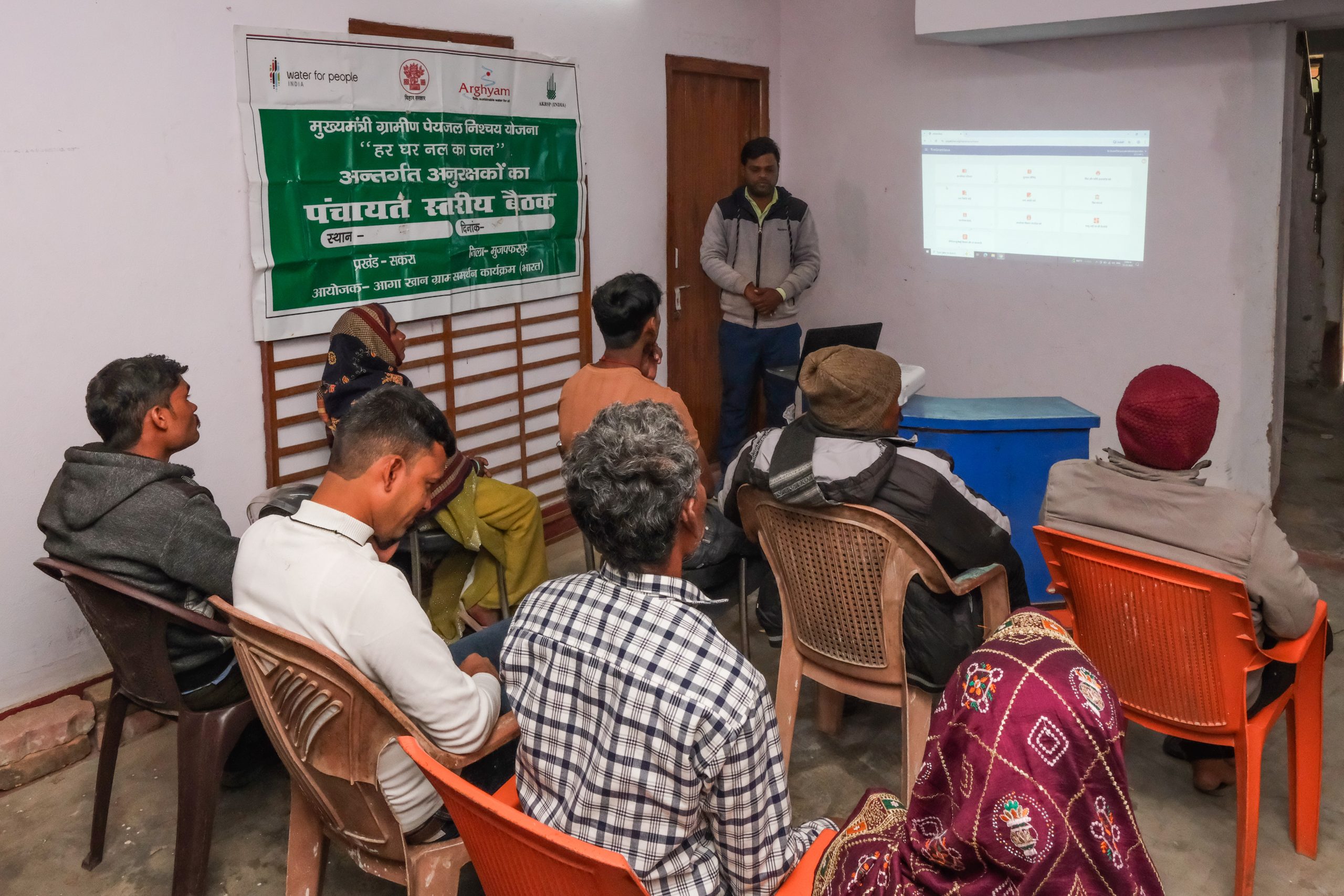
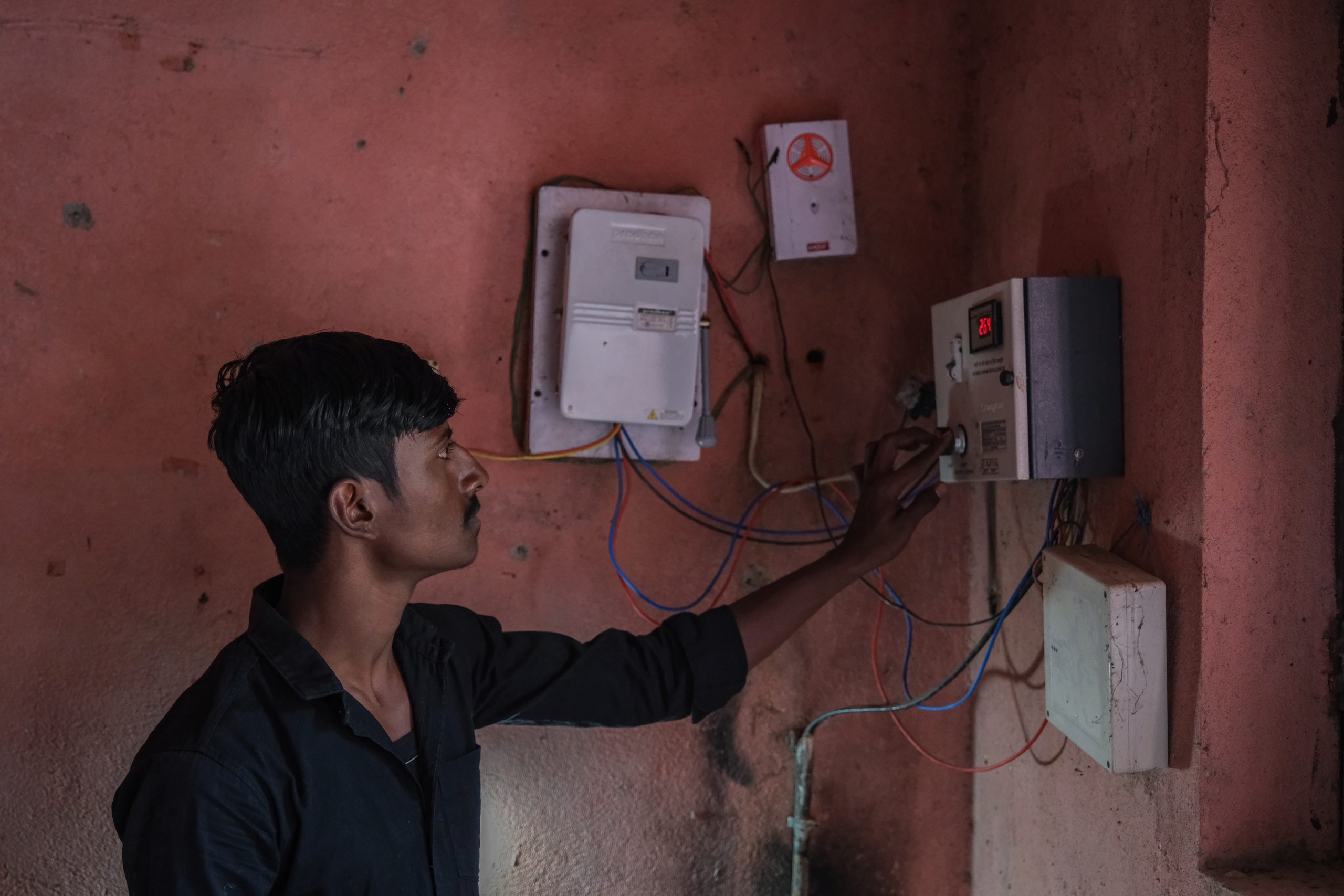
In September 2021, the Government of Bihar issued guidelines to strengthen O&M for ward-level water supply schemes under the Mukhyamantri Gramin Peyjal Nishchay Yojana. The state recognised the importance of the Anurakshak, a ward-level functionary responsible for running and maintaining schemes. Across Bihar, nearly 58,000 Anurakshaks form the backbone of local water supply systems.
In February 2022, Arghyam joined a consortium with Aga Khan Rural Support Programme India and Water For People to operationalise and demonstrate a scalable participatory O&M model across three blocks of Muzaffarpur district. The objective was to test whether a lean, government-owned design could strengthen system reliability while remaining feasible for scale.
SOLUTION
Our Approach
The programme design began by identifying the most critical actor in the system: the Anurakshak. Rather than adding parallel structures, the model focused on clarifying roles, building capacity and creating simple monitoring mechanisms around this existing workforce.
The consortium adopted a deliberately lean design. Resource intensity was kept low so that lessons from the pilot could be replicated across districts without additional burden on the state. Ownership of implementation remained with the Government, with consortium partners acting as facilitators and knowledge partners.
Digital tools were introduced to generate real-time and verifiable data on tasks performed, scheme functionality and household engagement. This enabled administrators to move beyond anecdotal reporting and focus on addressing specific gaps.
The pilot blocks served as a learning laboratory. The intention was to abstract processes, training materials and governance mechanisms that could be adopted by other districts and potentially inform O&M practices under Jal Jeevan Mission nationally.
Frontline workers in similar programmes have shared that while schemes may come and go, the skills they gain remain with them and continue to support their communities. By centring Anurakshaks and strengthening their visibility and accountability, the programme aimed to create a durable local capability rather than a short-term intervention.