
Background
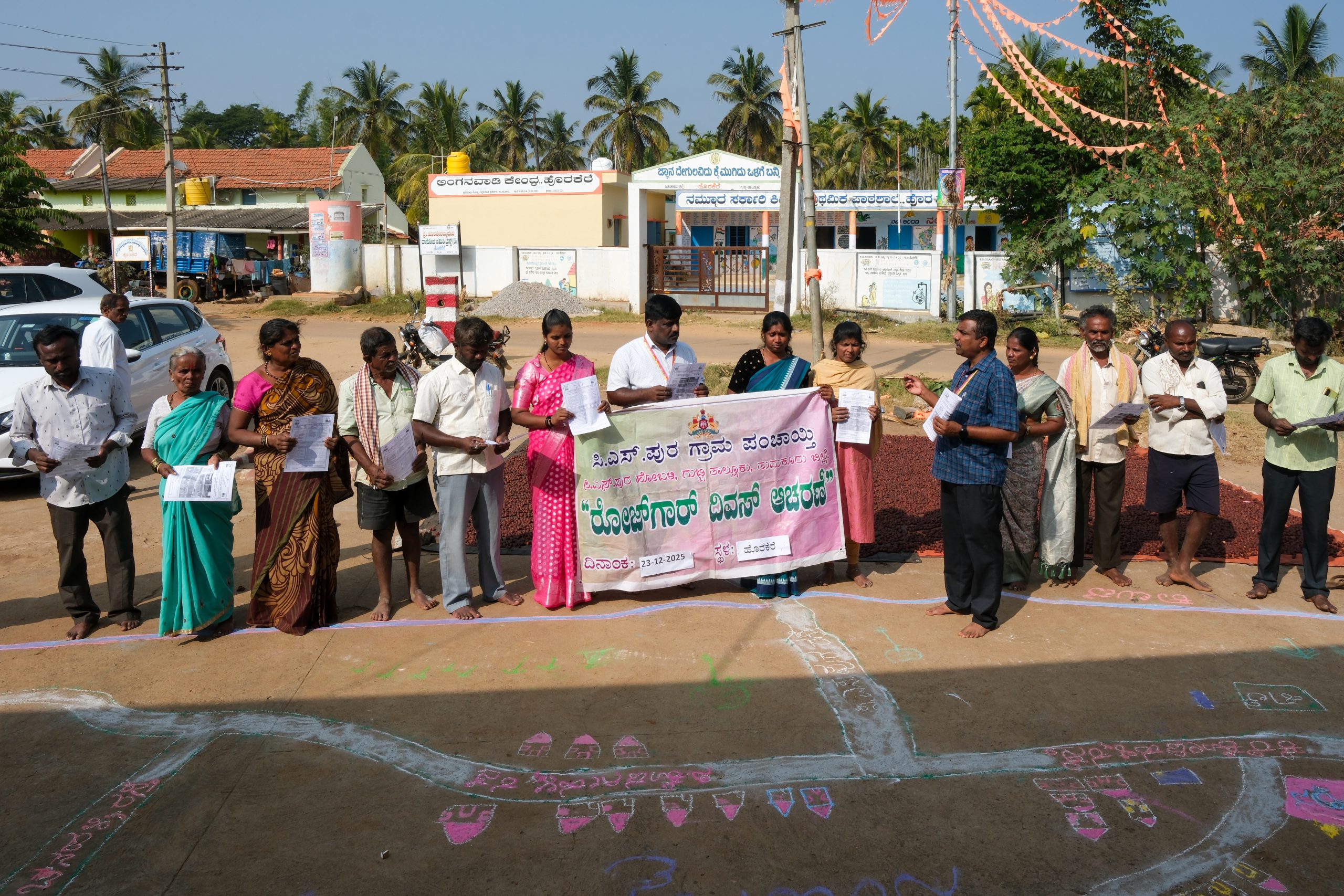
Karnataka’s Antarajala Chetana programme sought to improve groundwater levels through convergence with MGNREGS. Recognising the need for stronger community engagement, the state introduced a cadre of women frontline workers known as Grama Kayaka Mitras. These workers were tasked with mobilising communities and generating demand for work under MGNREGS.
Natural Resource Management planning at scale, however, requires technical clarity, participatory processes and reliable documentation. Without structured training and verification, plans risk becoming procedural rather than scientific.
Arghyam supported the Foundation for Ecological Security to work with the state government in designing a scalable NRM planning model that integrated participatory methods with digital tools.
SOLUTION
Our Approach
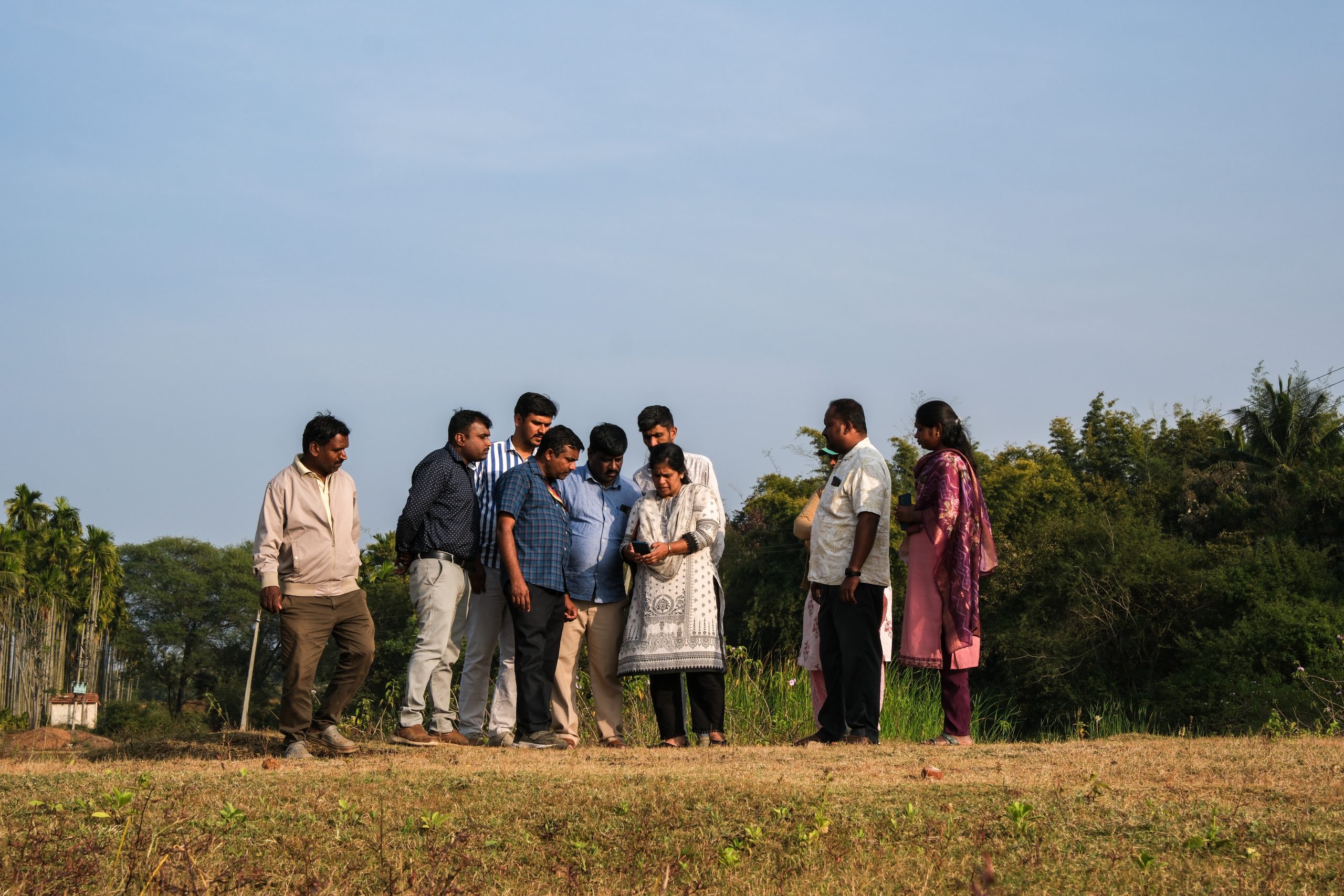
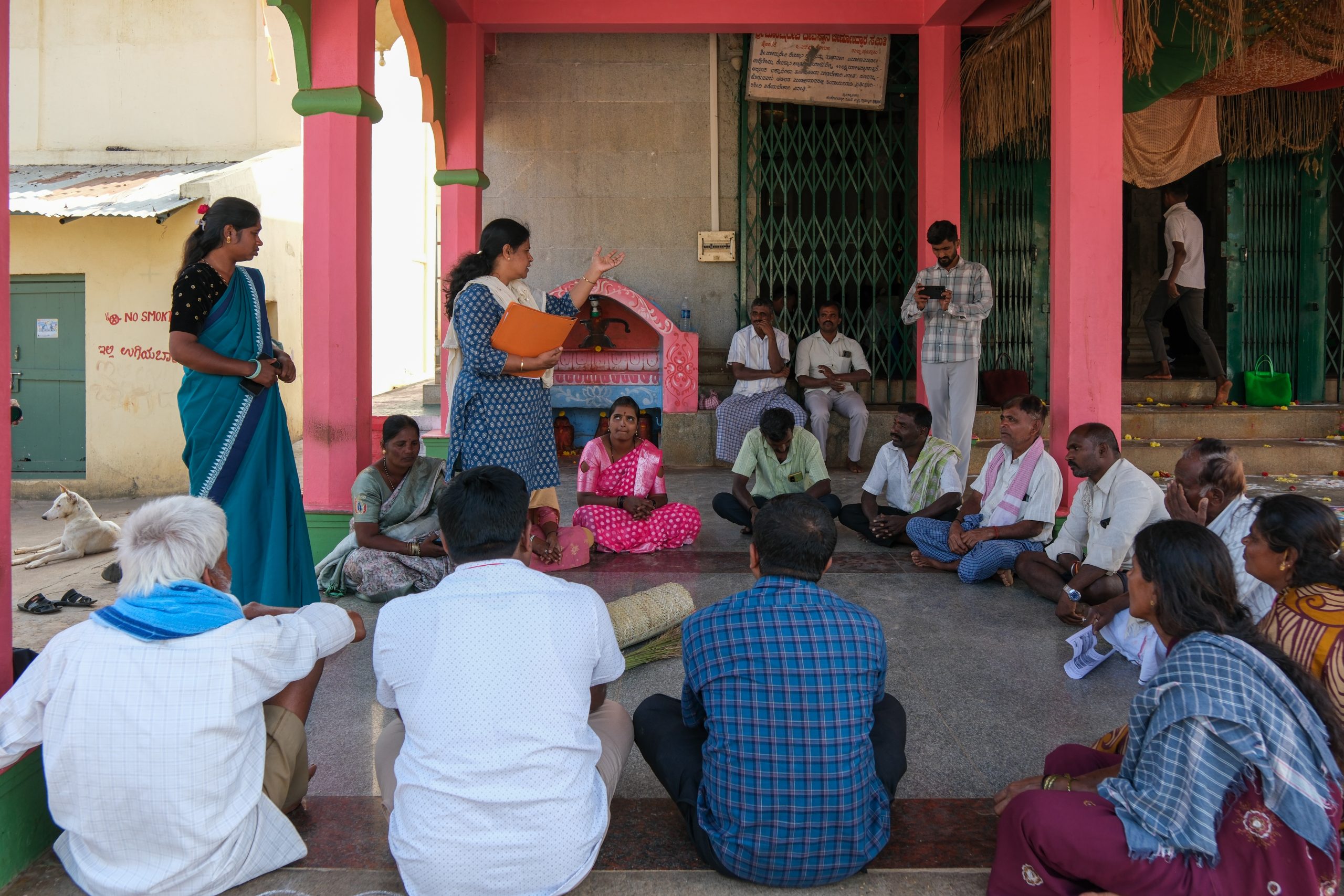
The programme combined institutional strengthening with technical training. Over 2,100 village institutions dedicated to managing commons were formed or strengthened. More than 2,600 MGNREGS functionaries, including Panchayat Development Officers, Technical Assistants and Grama Kayaka Mitras, were trained in watershed approaches, resource mapping and scientific planning.
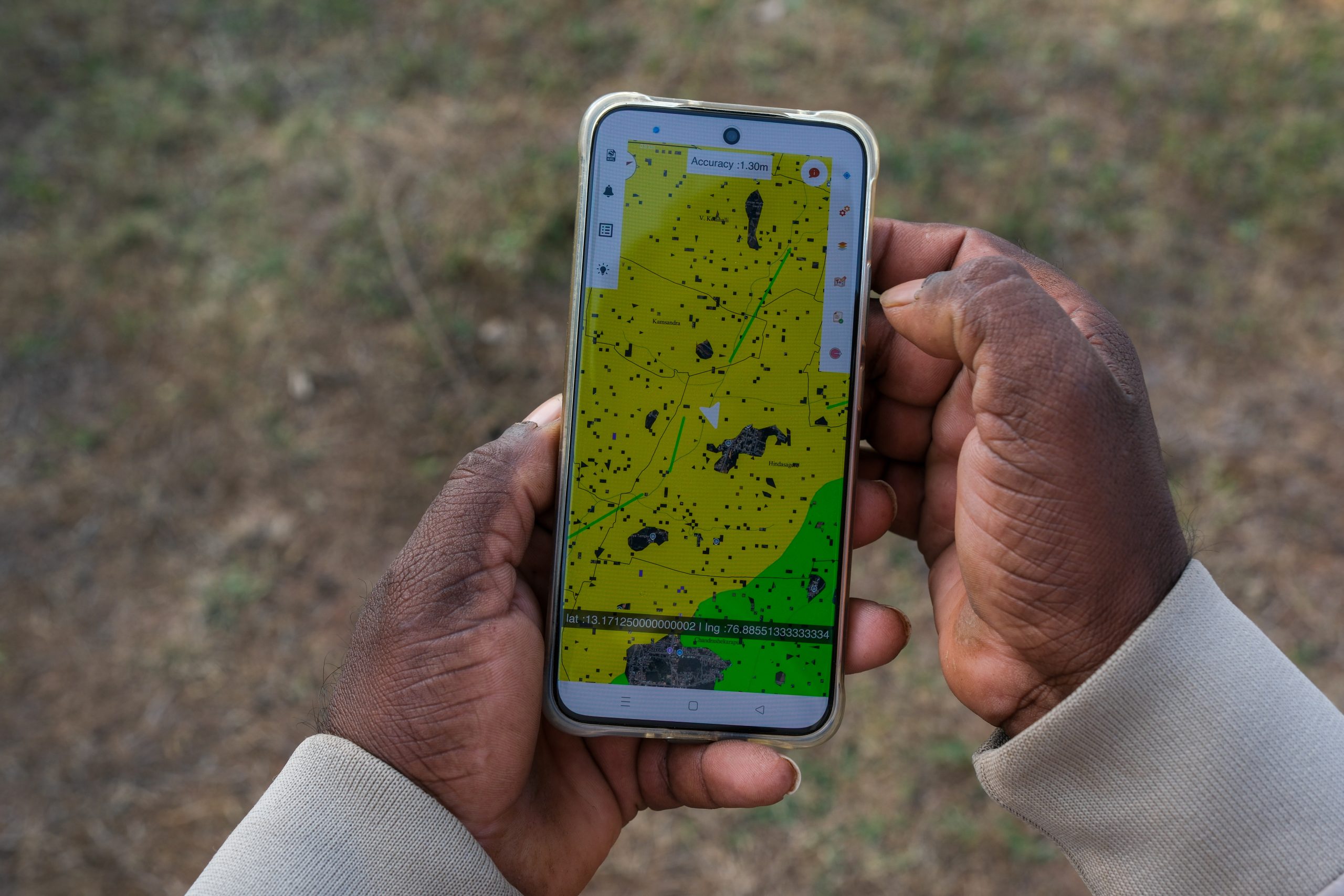
Participatory Digital Attestation was used to record training interactions and create verifiable data on who was trained and on what topics. The Composite Landscape Assessment and Restoration Tool enabled scientific selection of interventions and generation of estimates based on geographic data.
The state government subsequently expressed interest in scaling GIS-based NRM planning across gram panchayats and renamed the programme Jala Sanjeevini to converge efforts.
Women frontline workers shared that earlier they perceived water management as a male domain. Through structured training and digital support, they gained confidence to mobilise their communities and contribute to local resource planning. Some reflected that learning to use mobile tools expanded both their livelihood opportunities and their role within the village.
By embedding scientific planning tools within existing governance structures, the programme strengthened both technical quality and community ownership.