
WhatsApp-Based Water Quality Reporting Pilot

Focus Area
Water Quality
Location
Assam and Madhya Pradesh
Partners
INREM Foundation ,TATA Trusts
Duration
2024–25
People Trained
333

Background

Water contamination continues to affect public health even in areas with tap connections. Frontline workers such as ASHA workers, Anganwadi teachers and Jal Mitras are often the first to notice water quality issues within communities. However, reporting systems are slow, fragmented and weakly linked to response mechanisms. Arghyam partnered with INREM Foundation to test whether equipping frontline workers with simple digital tools could accelerate reporting and strengthen water quality monitoring. The initiative focused on enabling community-level data generation while also examining how well institutional systems are positioned to act on such information.

SOLUTION

A WhatsApp-based reporting system that enables frontline workers to flag water quality issues and generate structured data for follow-up.

Our Approach

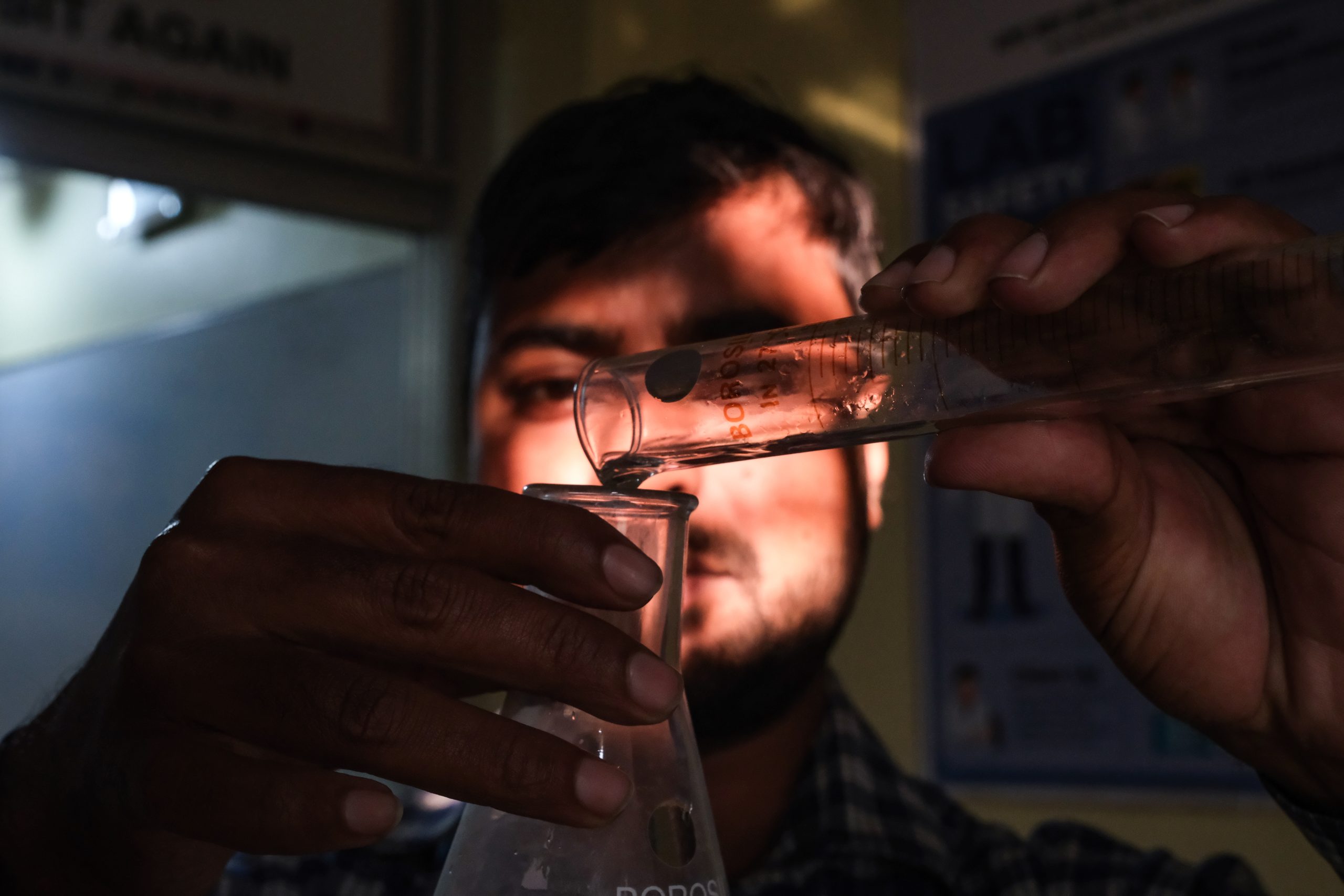
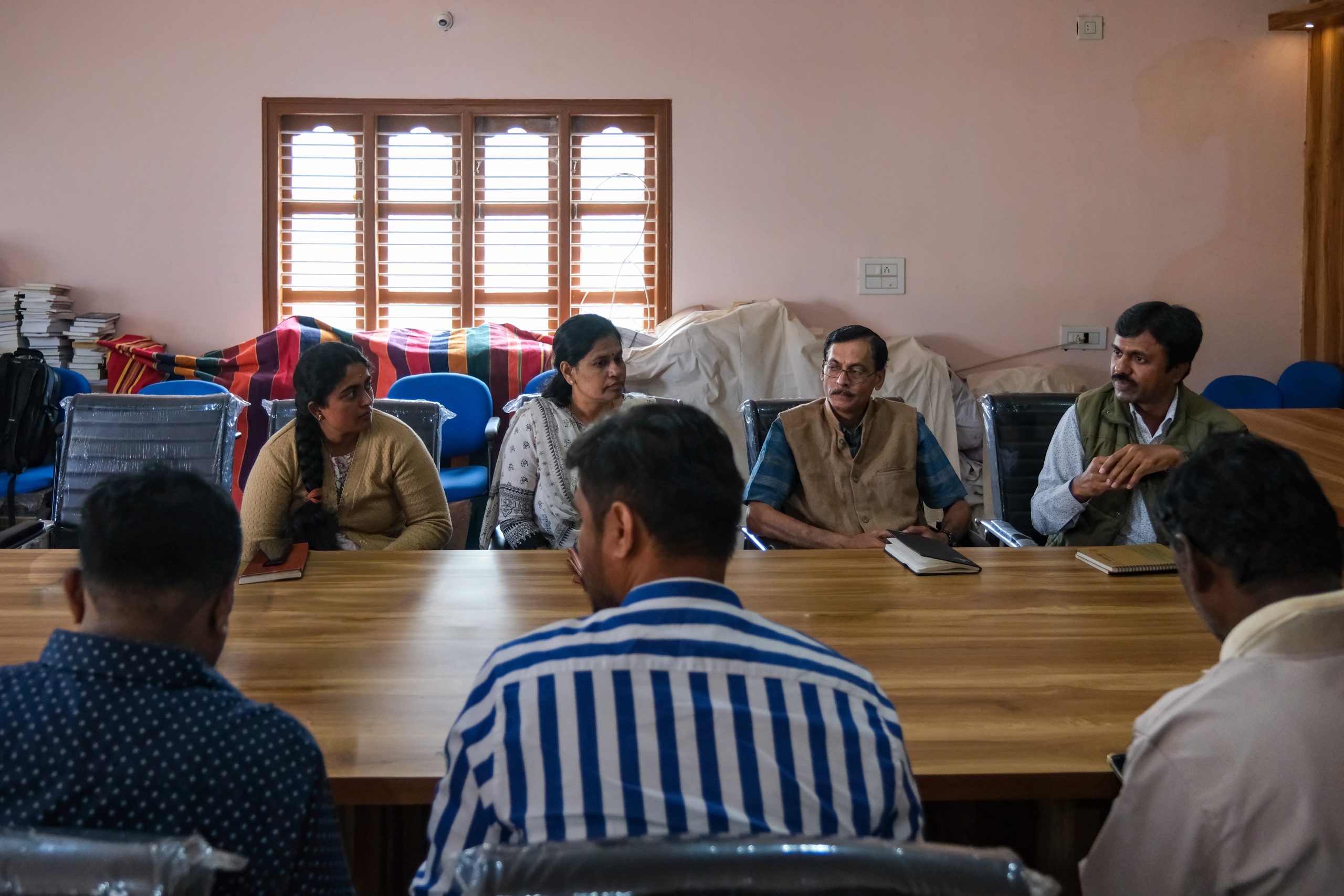
The project piloted a WhatsApp bot that frontline workers could use to report contamination concerns in real time. The design prioritised simplicity, recognising the multiple responsibilities frontline workers already carry. Training sessions focused on identifying contamination risks, using Field Test Kits and following reporting protocols.

Implementation took place in Nalbari district in Assam and Jhabua district in Madhya Pradesh. In Nalbari, 183 frontline workers were onboarded, while 150 frontline workers participated in Jhabua, resulting in a total of 333 trained users. The pilot tested whether digital reporting could reduce delays between detection and escalation.

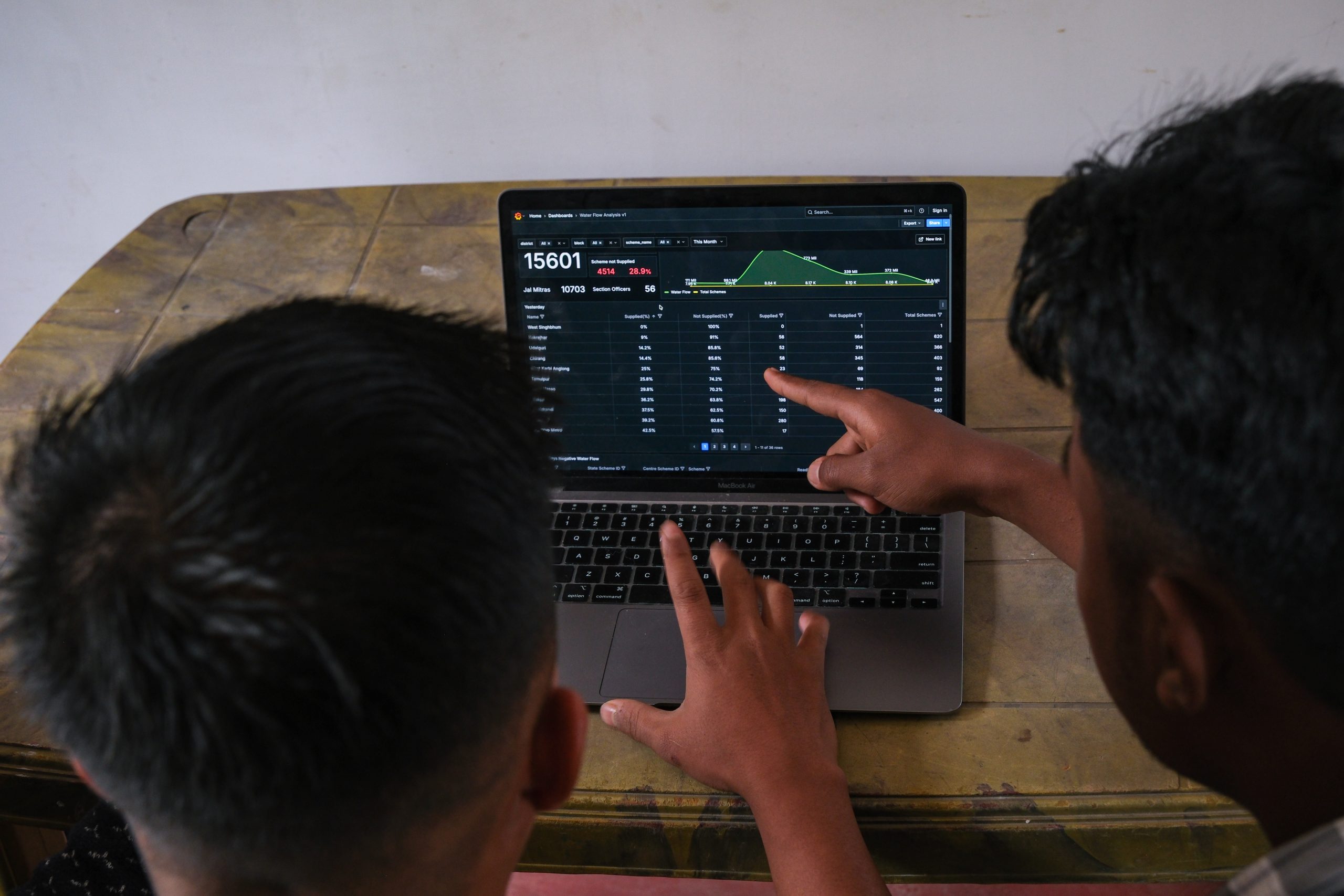
Alongside frontline enablement, the project developed assessment frameworks to examine the functioning of Water Quality Monitoring and Surveillance systems at village and district levels. A district-level water quality report was generated for Nalbari, providing a consolidated view of reporting gaps and response readiness.

While faster reporting was demonstrated, the work also surfaced institutional constraints related to follow-up, staffing and prioritisation. These insights highlighted the importance of pairing community-generated data with strengthened response systems. The initiative reinforced the role of frontline workers as trusted intermediaries and generated practical learning on translating community data into safer drinking water outcomes.