
Background
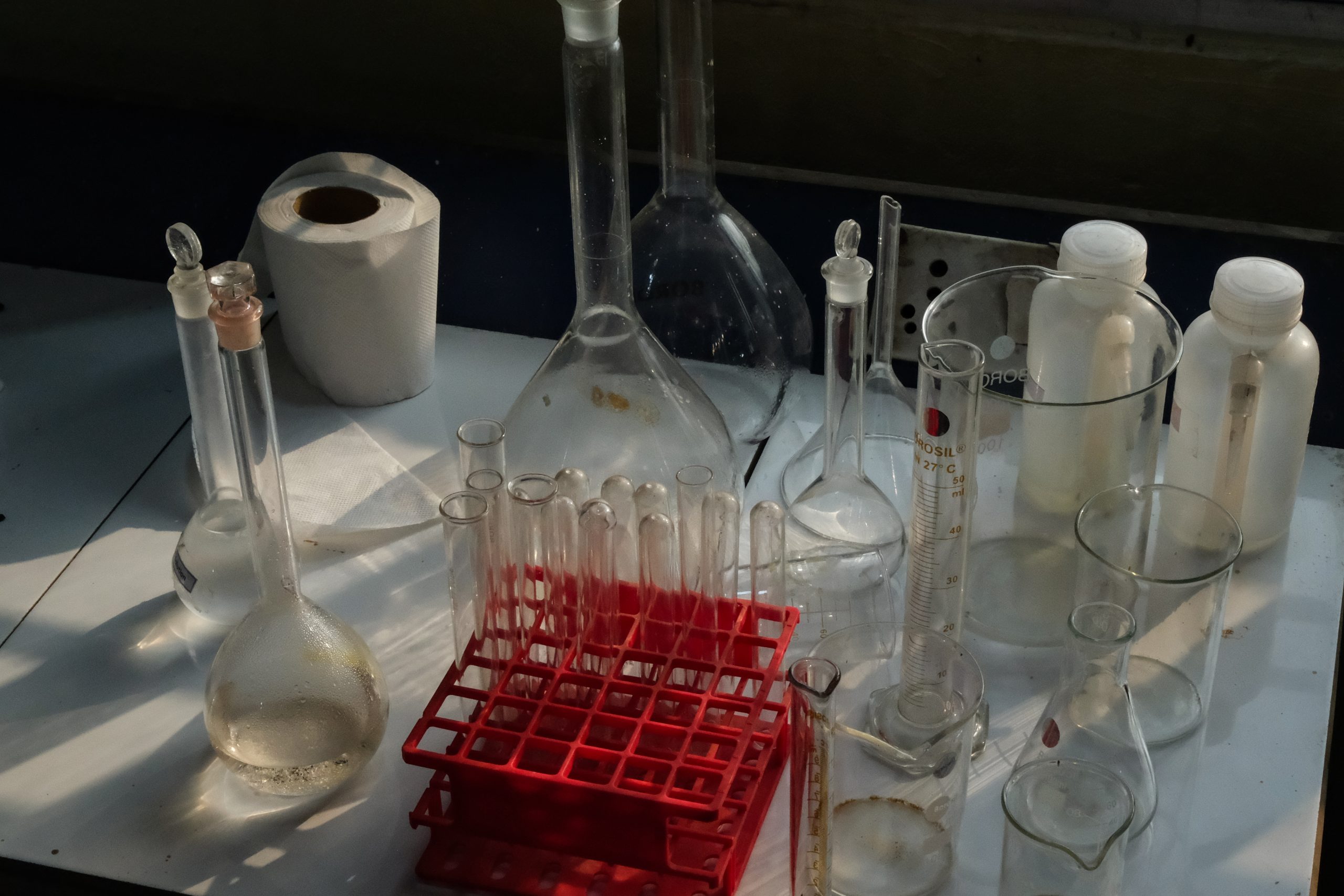
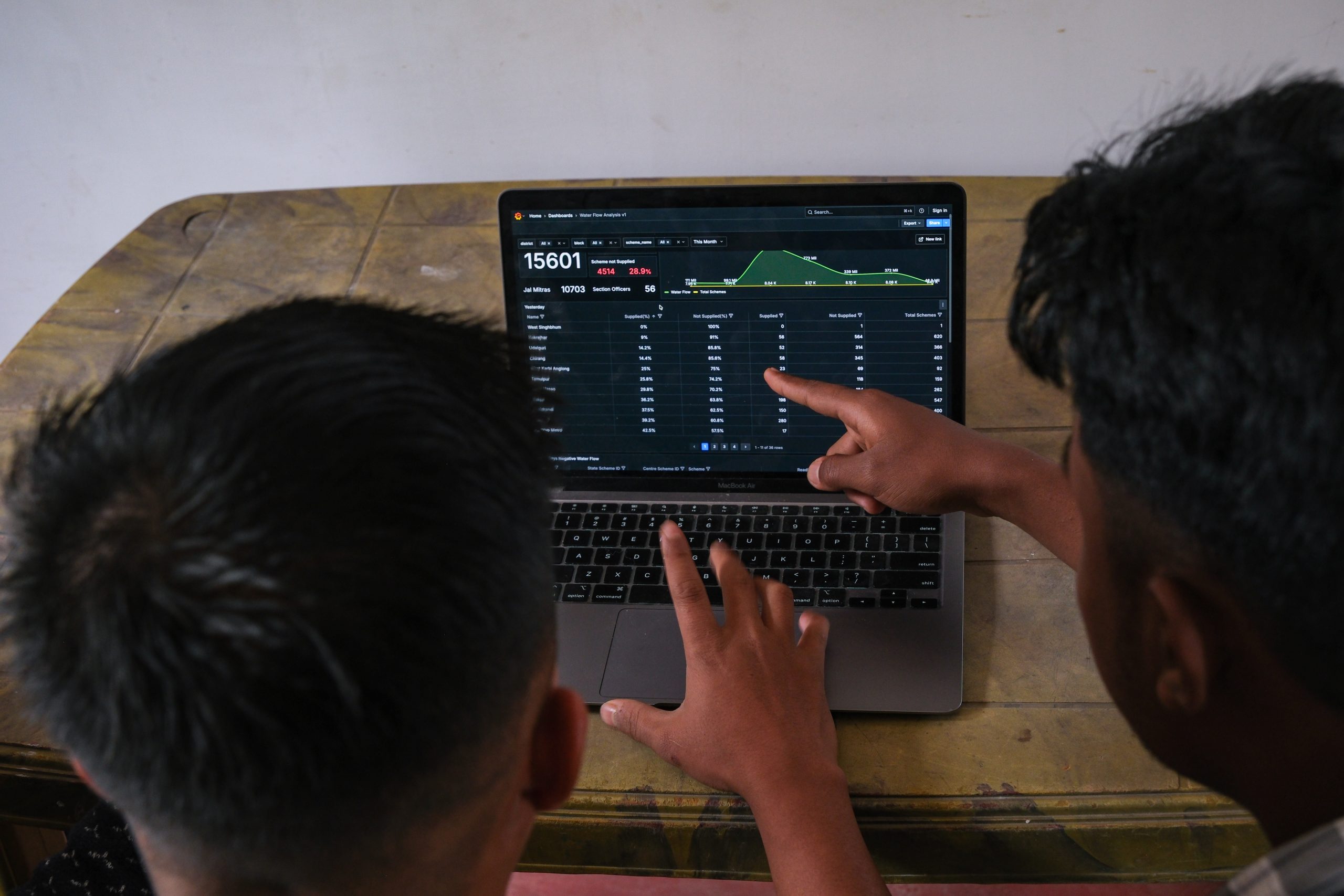
Ensuring safe drinking water at scale requires strong institutional capacity across laboratories, field teams and supervisory levels. While infrastructure investments under the Jal Jeevan Mission are significant, many state systems face gaps in skills, coordination and ongoing learning related to water quality management. Arghyam initiated this work to support government institutions in building the capacity required to monitor, respond to and sustain water quality outcomes over time.
SOLUTION
Our Approach
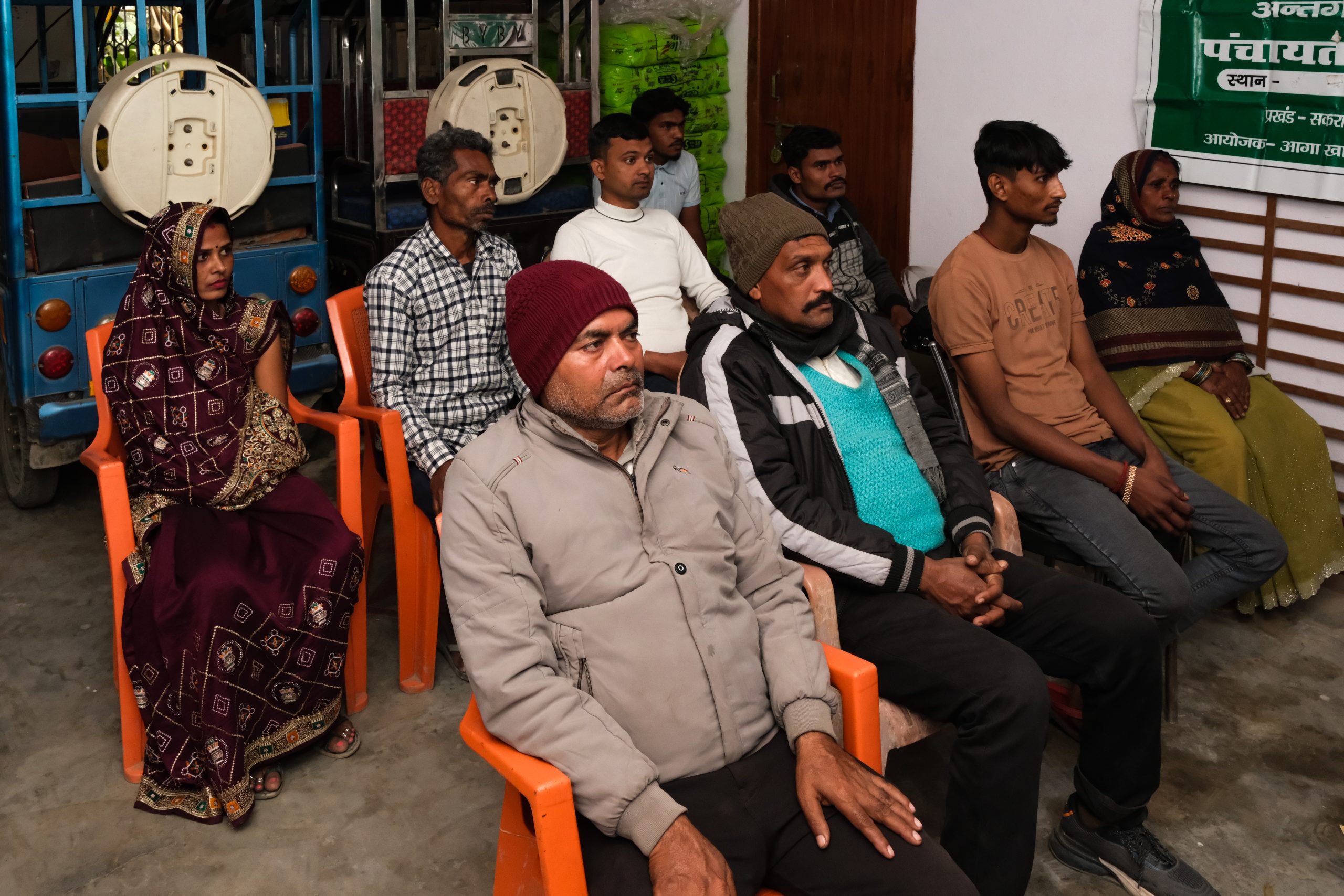
The initiative focused on designing and delivering customised training aligned with state-specific needs. A certified course on water quality management was delivered through the JJM Digital Academy, training 168 PHED officials across all districts of Madhya Pradesh. The curriculum combined technical content with applied case examples to support on-the-ground decision-making.
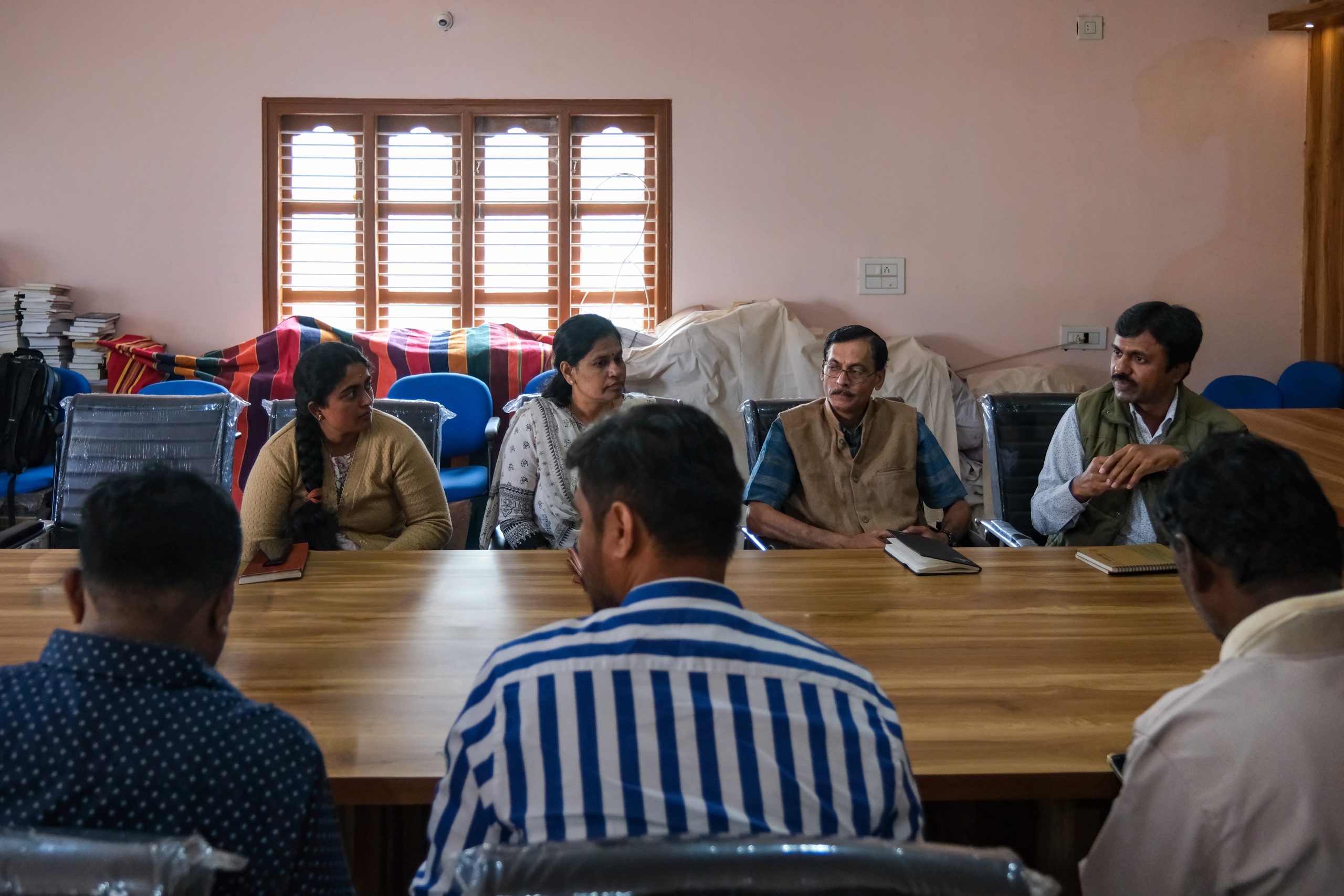
Beyond training, the project explored the State Hub concept as a collaborative platform to bring together government and civil society actors working on water quality. Engagement with officials helped identify the institutional conditions required for such platforms to function effectively, including clear mandates and sustained coordination.
Interest from multiple states indicated the relevance of this approach, though the work also highlighted that institutional strengthening is a long-term process. The project reinforced that capacity building must be continuous and closely aligned with government priorities to translate learning into sustained improvements in water quality management.