
Rural water systems do not run on infrastructure alone. They run on people, their labour, skills and everyday decisions.
-
Published OnApr 2011
-
AuthorsASHWAS team, Arghyam team
BACKGROUND
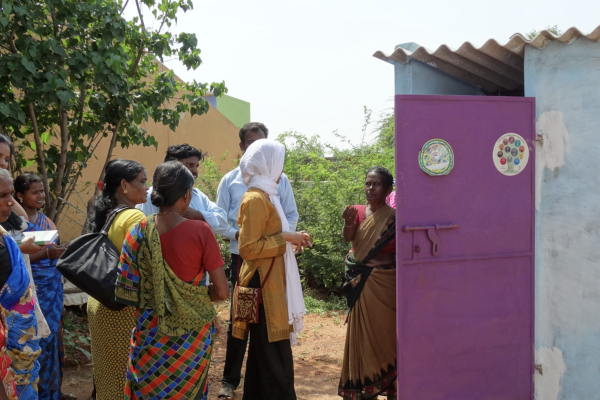
The ASHWAS Process Handbook documents the methodology behind one of India’s earliest large-scale citizen-led assessments of rural water and sanitation services. The ASHWAS survey, conducted by Arghyam in 2008–09, covered more than 17,000 households across 172 gram panchayats in Karnataka and sought to understand the realities of water access, sanitation, and service delivery from the perspective of rural citizens.
Rather than focusing only on infrastructure or official data, the survey emphasised community participation and local knowledge. Households, village leaders, and gram panchayat representatives contributed insights into water supply reliability, sanitation practices, water quality, and governance challenges at the village level.
This handbook captures the entire process behind the survey, from planning and training to field surveys, data entry, analysis, dissemination, and advocacy. It provides detailed guidance on the skills, resources, tools, and timelines required to undertake such participatory assessments.
By documenting this methodology, the handbook aims to help civil society organisations, governments, and researchers replicate similar surveys to better understand local water and sanitation conditions and to design more responsive policies and programmes.