
Safe drinking water requires continuous attention to water quality, strong monitoring systems, responsive institutions, and informed communities that can identify risks and act early.
- Projects
14
- States
28
- Partners
9
- Households
37,180
- People Reached
185,900
OUR APPROACH
Ensuring that drinking water is safe requires more than infrastructure. Water quality must be monitored regularly, risks must be detected early, and institutions must be able to respond quickly when problems arise.
Across India, contamination from naturally occurring elements such as fluoride and arsenic, as well as bacteriological pollution, continues to affect drinking water sources. While laboratories and testing protocols exist, gaps often remain in monitoring coverage, reporting systems, and local awareness.
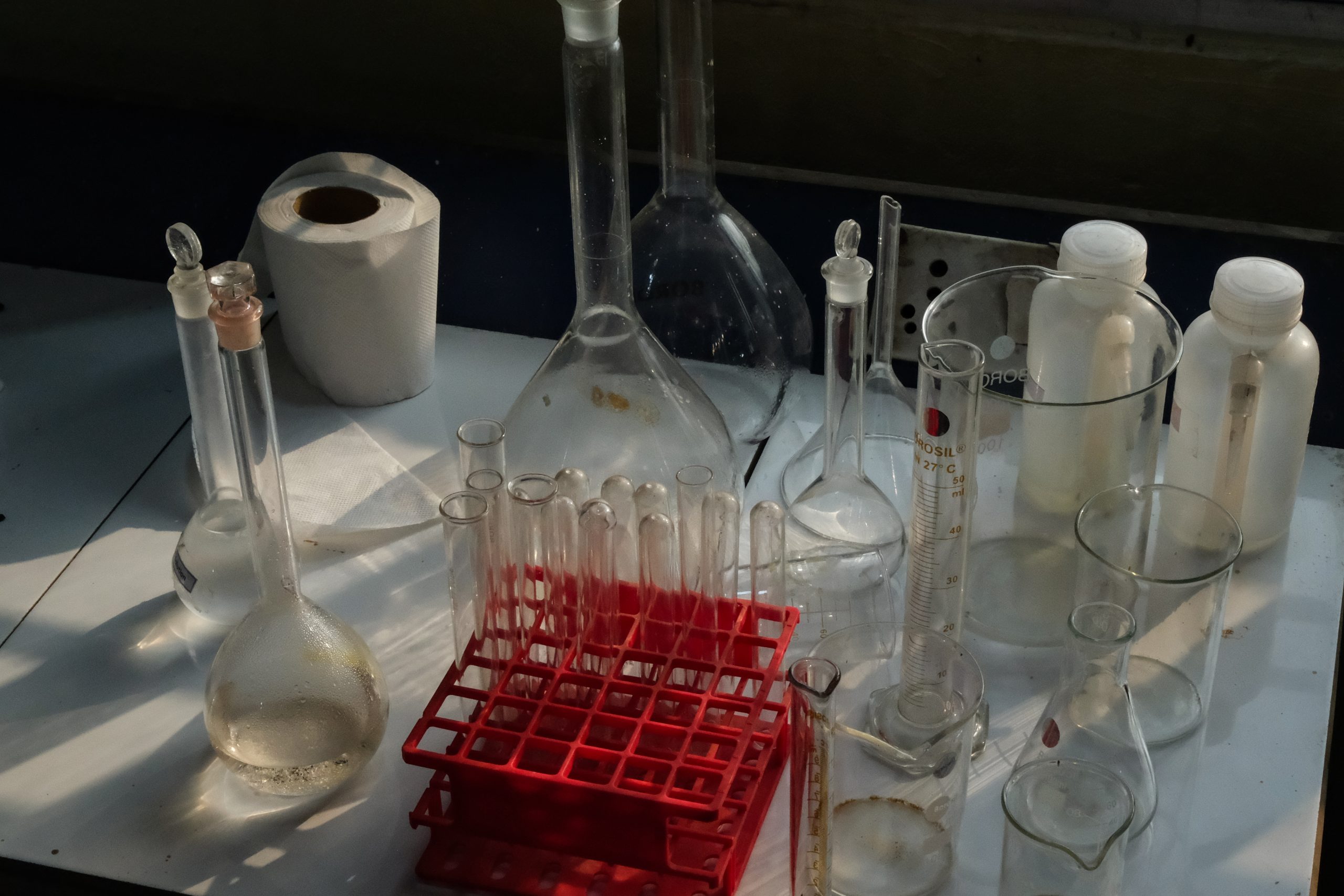
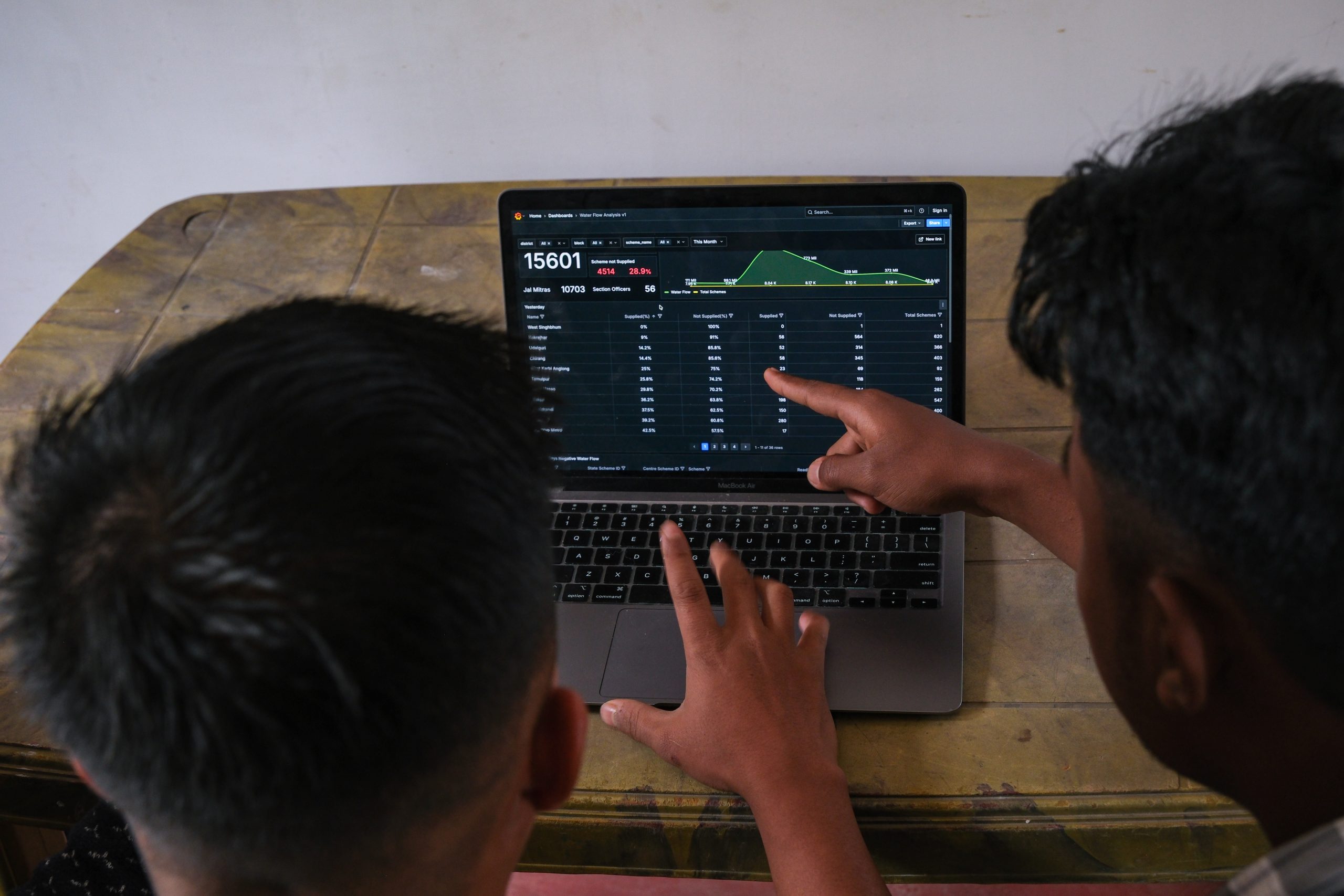
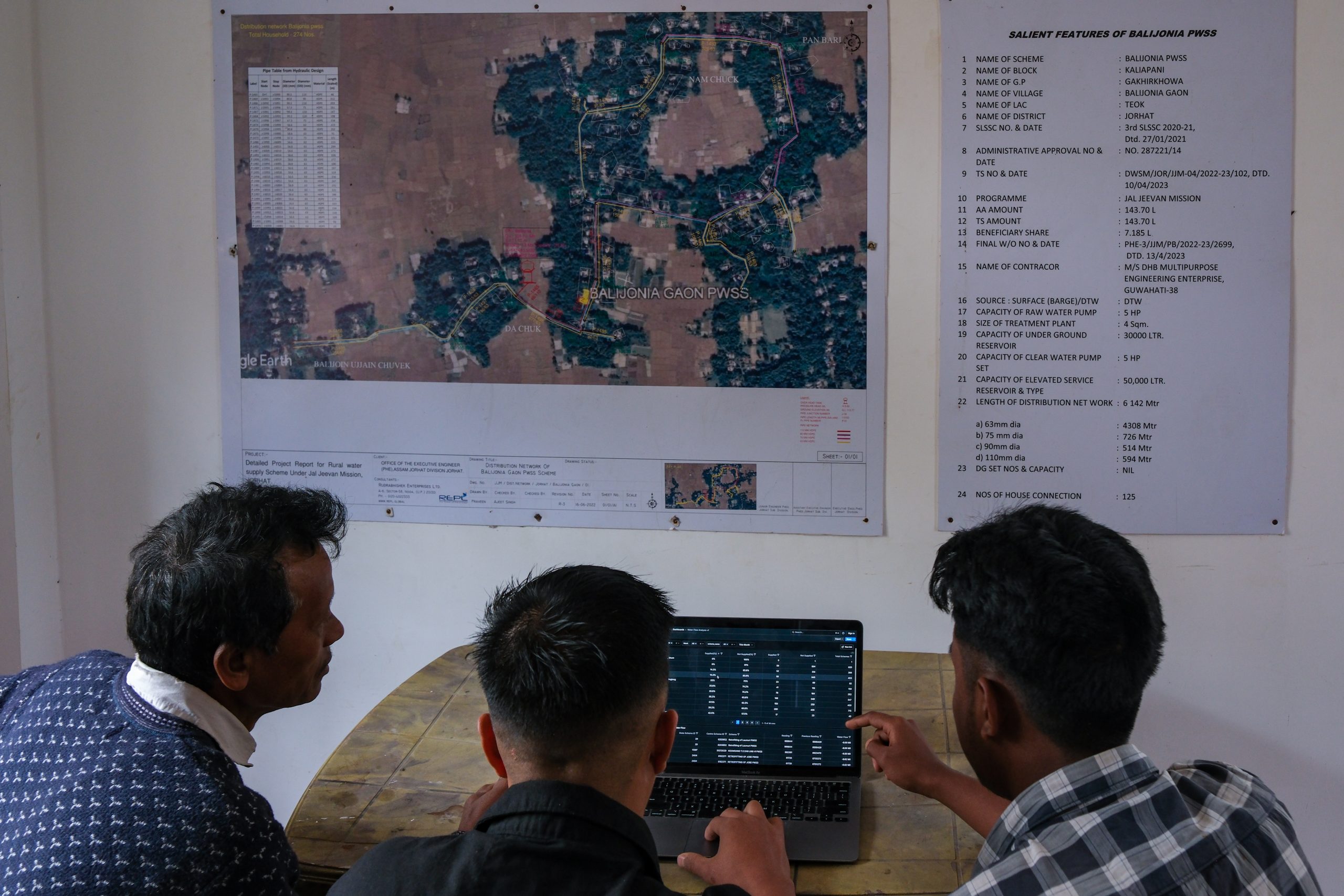
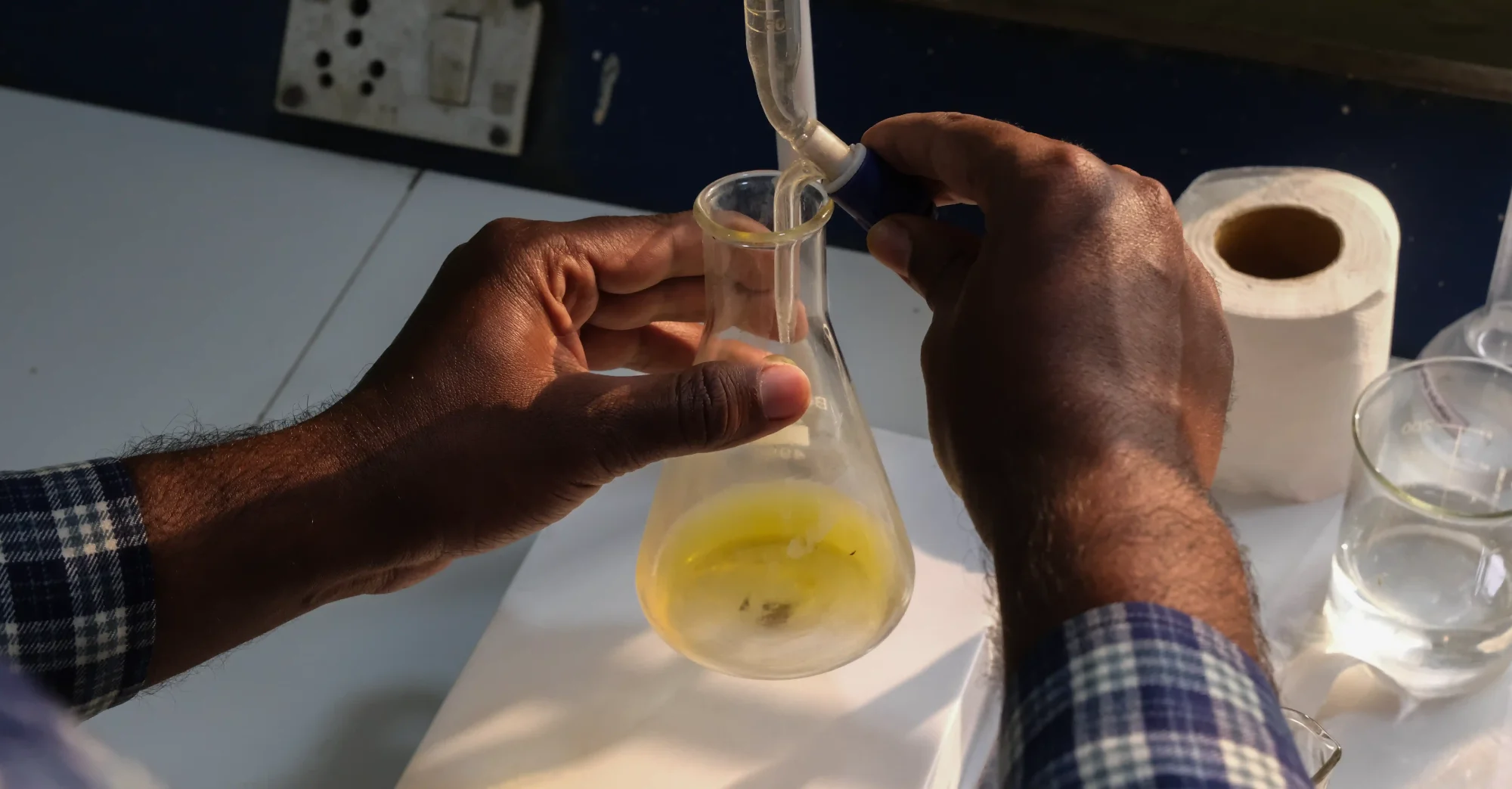
Arghyam’s work on water quality focuses on strengthening the systems that enable regular monitoring, reliable reporting, and timely action. This includes supporting improved water quality surveillance, strengthening laboratory ecosystems, and helping institutions better track and respond to contamination risks.
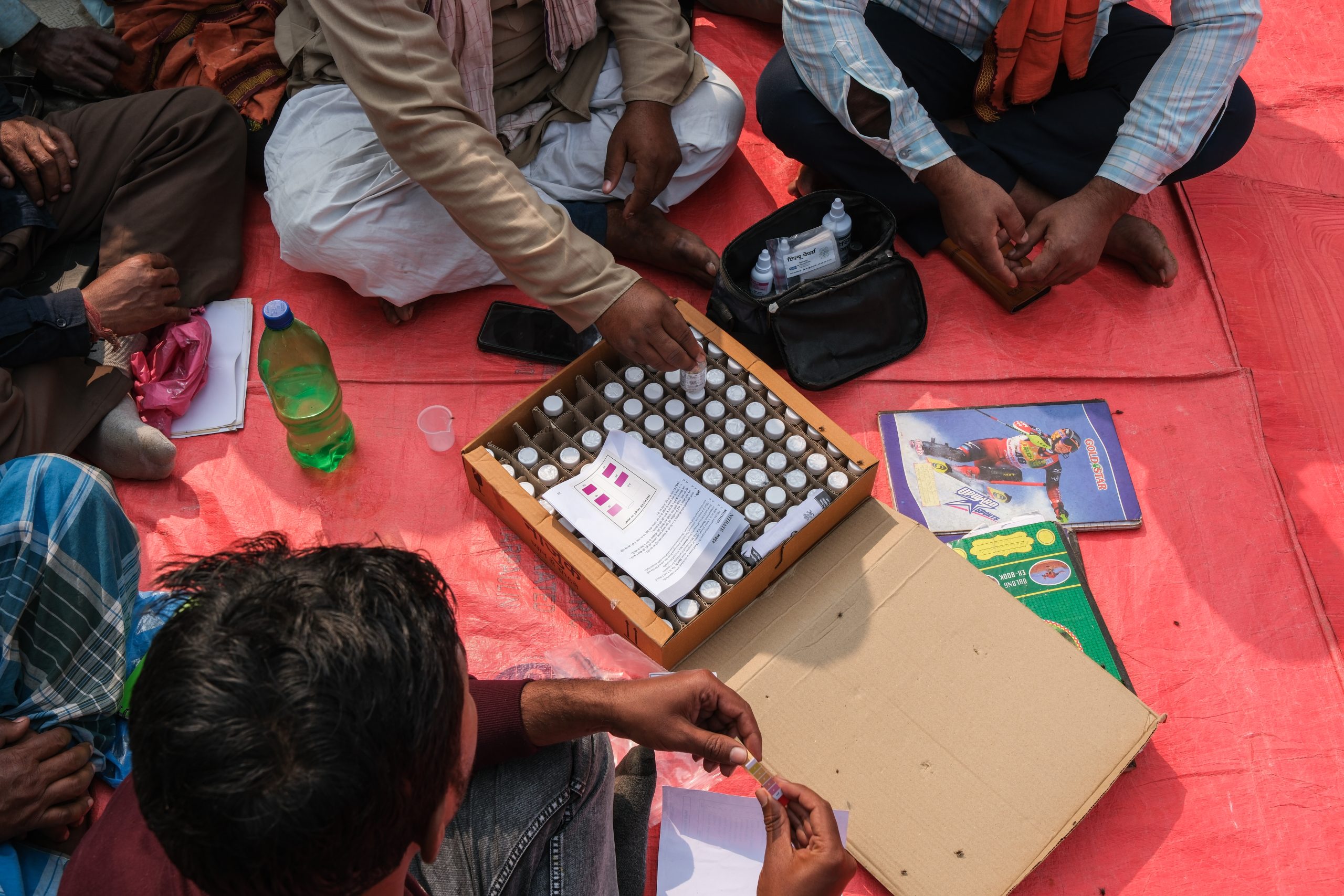
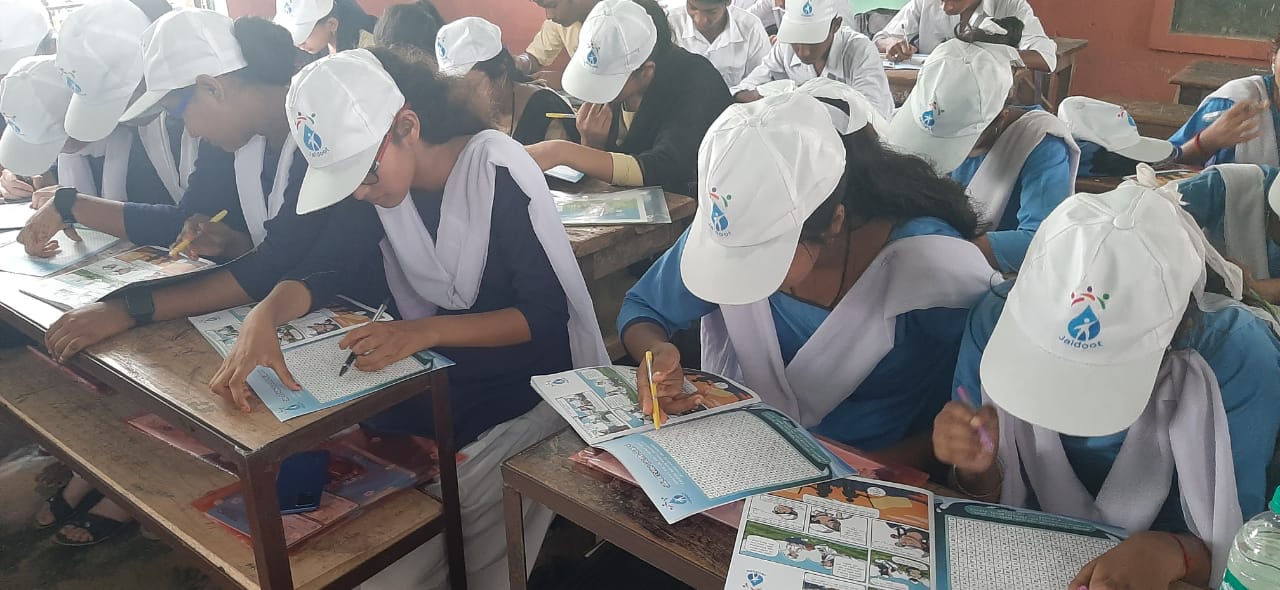
Communities and frontline workers also play an important role in identifying and reporting water quality concerns. When local actors are equipped with the right tools and information, they can become an important part of the monitoring system.
By strengthening monitoring systems, improving the flow of information, and supporting institutional response, Arghyam’s work aims to ensure that water supplied to households is not only available but also safe to drink.