



Knowledge
We seek to understand before we act, grounding decisions in evidence, field experience and shared knowledge that strengthens the ecosystem.

Action
We turn insight into impact by transforming good ideas into solutions that strengthen systems and empower people.

Care
We work with empathy and respect for communities, partners, and the ecosystems that sustain us.
From Giving To Governance
Our Story
Arghyam, which means “offering” in Sanskrit, was founded in 2001 by Rohini Nilekani as a commitment to public purpose. Over the first five years, we evolved to focus on water and sanitation as a long-term national priority.
What began as support for grassroots water initiatives deepened into a sustained effort to understand why water systems fail, who sustains them and how they endure. Over time, our work expanded from individual projects to strengthening the institutions and networks that shape water governance. Today, we bring together governments, researchers, practitioners, and communities to ensure that science, data, and lived experience inform the design of resilient water systems.
When Giving Found Its Purpose
Arghyam began as an exploration in giving. In our early years, one insight became clear: water sits at the centre of health, livelihoods and dignity in India.
Founded in 2001 by Rohini Nilekani, Arghyam gradually focused its work on water and sanitation. By 2005, this commitment had taken shape, opening a journey that would begin by listening closely to landscapes, communities and the institutions responsible for water.
Listening To The Land
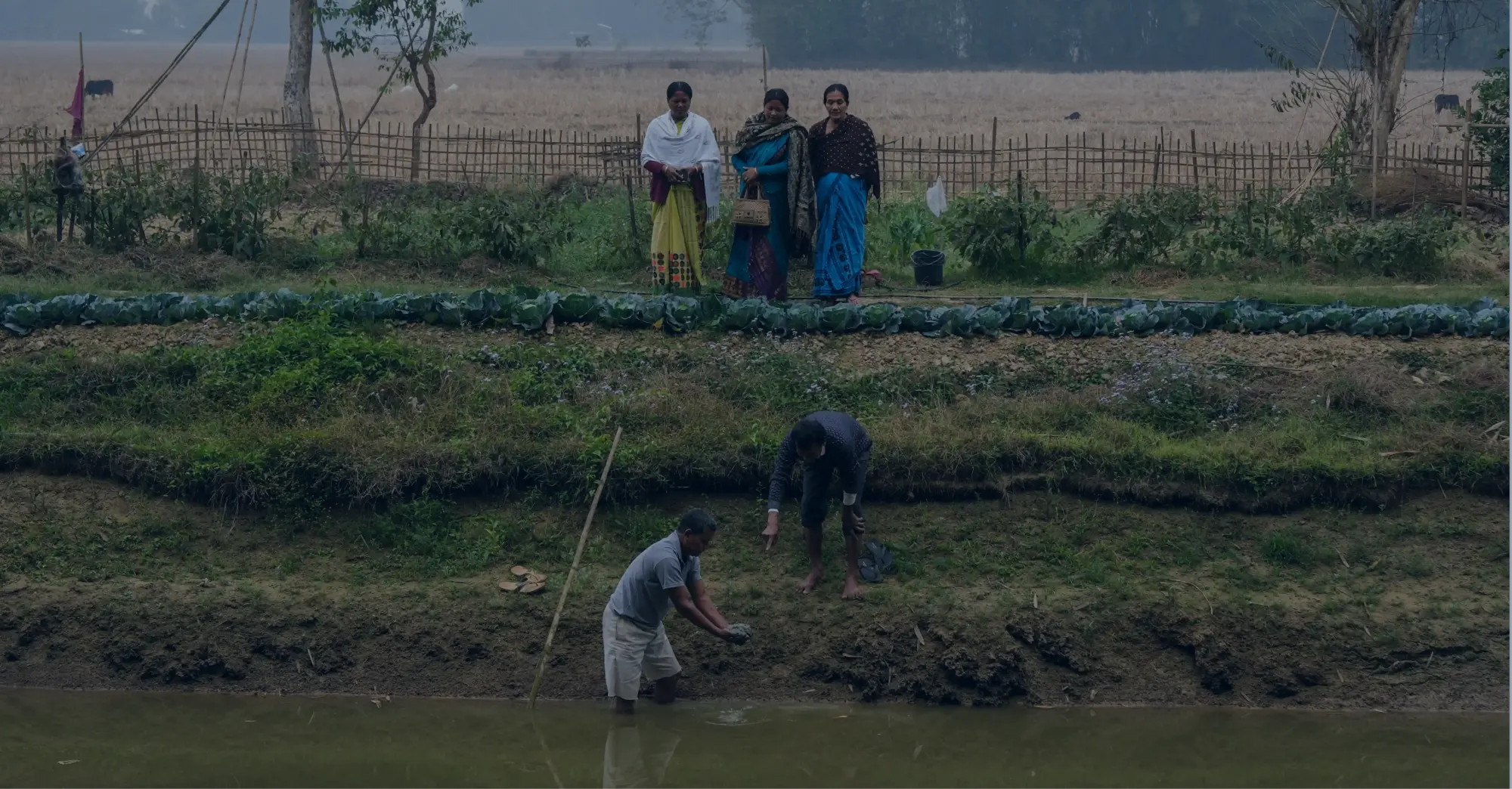
Understanding water meant first understanding the land, the people and the institutions that shape how water is managed and sustained.
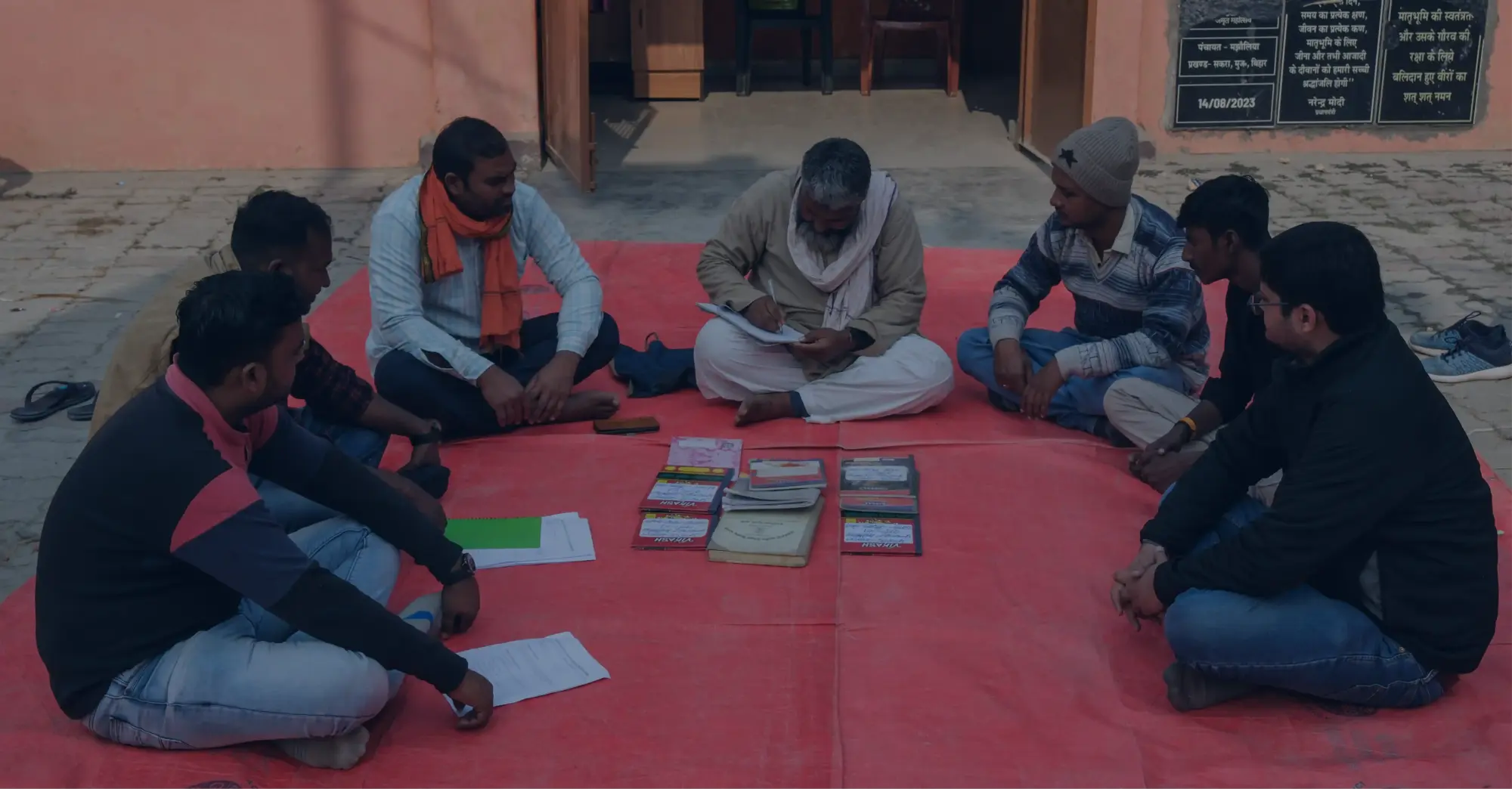
Arghyam worked alongside communities, hydrogeologists and practitioners to support groundwater management, watershed restoration, urban water initiatives and open knowledge platforms like the India Water Portal. These years built deep field insights that would soon shape clearer directions for our work.
When Ideas Took Root
Insights from the field began shaping clearer approaches helping focus Arghyam’s work on the themes that would define its role in strengthening India’s water systems.
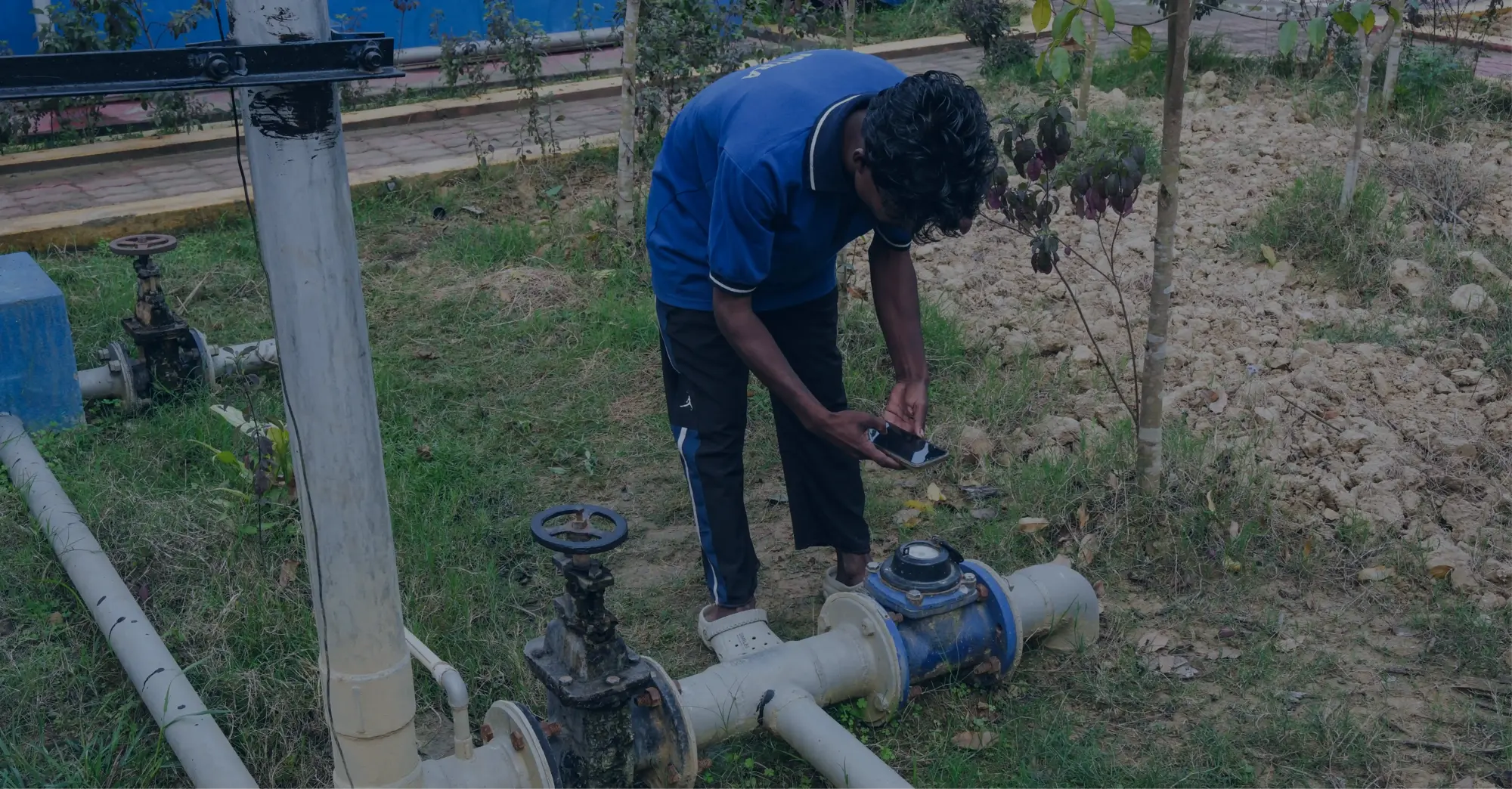
What began as field practice evolved into deeper engagement with groundwater governance, springs, water quality, and sanitation behaviour. Arghyam supported collaborations that strengthened local institutions, integrated science and data into planning, and connected practitioners working to improve water management across India.
Evolving to Scale, Speed and Systems
As ideas matured, the next step was translating knowledge into systems that could support governments and institutions working at scale.
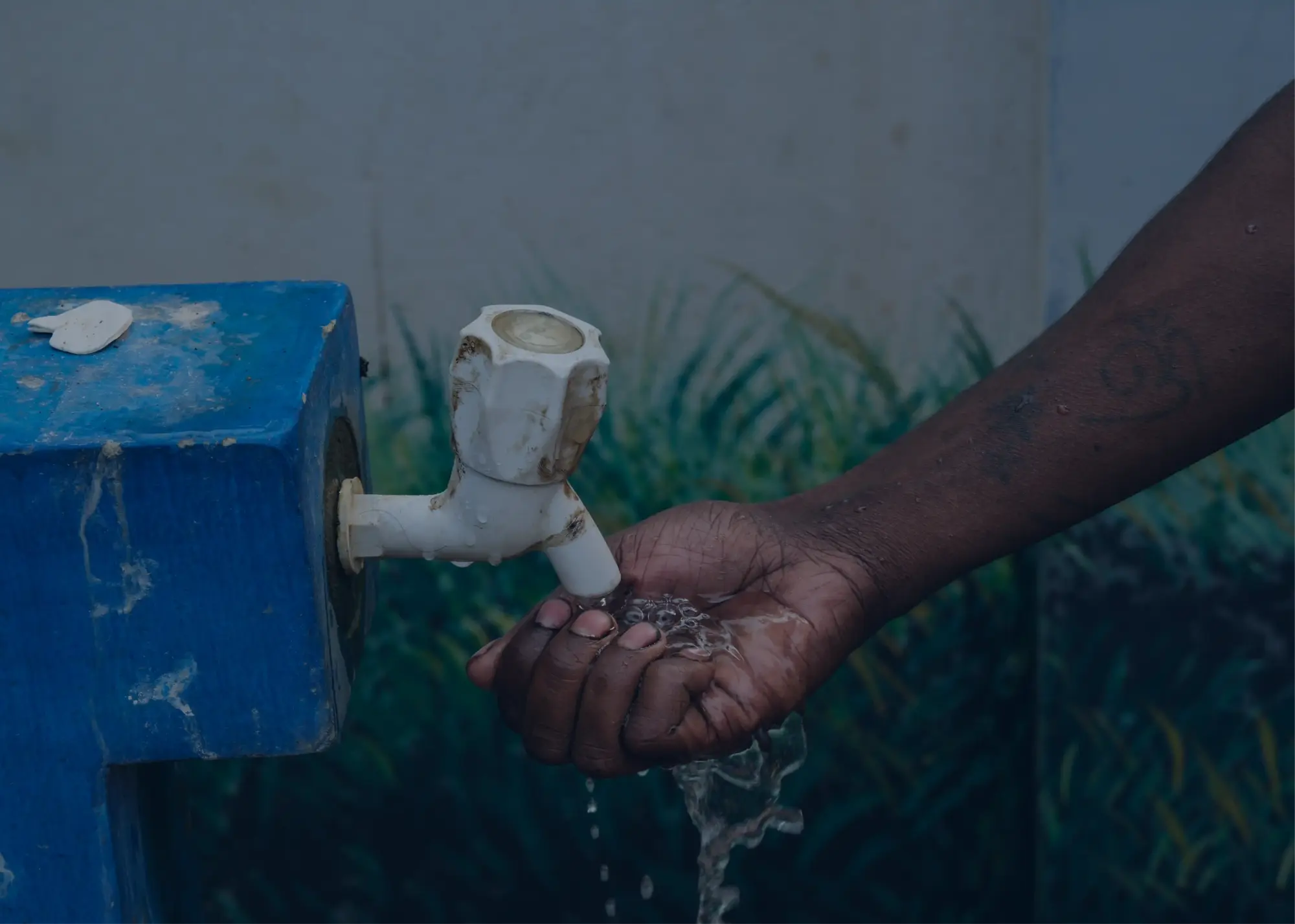
Arghyam worked with states and national programs to strengthen operations and maintenance, water quality systems and source sustainability. Digital tools and institutional partnerships began transforming years of field knowledge into structured, scalable solutions.
When Many Streams Become One Flow
The future of water governance lies in bringing knowledge, institutions, and technology together into connected systems.
Arghyam now works to bring together governments, practitioners, researchers and technologists to build shared digital infrastructure and stronger public systems. The aim is simple but ambitious: reliable, safe and sustainable water services for every community.