
Groundwater sustains millions of rural households in India. Managing it sustainably requires communities, institutions, and local knowledge to work together to understand and govern shared water resources.
- Projects
14
- States
15
- Partners
13
- People Trained
2015
- Households
44,139
- People Reached
220,697
OUR APPROACH
Groundwater is India’s most widely used source of water, supporting drinking water, agriculture, and livelihoods across rural landscapes. Yet it remains largely invisible and poorly understood at the local level.
Unlike surface water systems, groundwater is distributed underground across aquifers that are shared by many users. Over-extraction, changing rainfall patterns, and limited local awareness about aquifer systems often place increasing pressure on these resources.
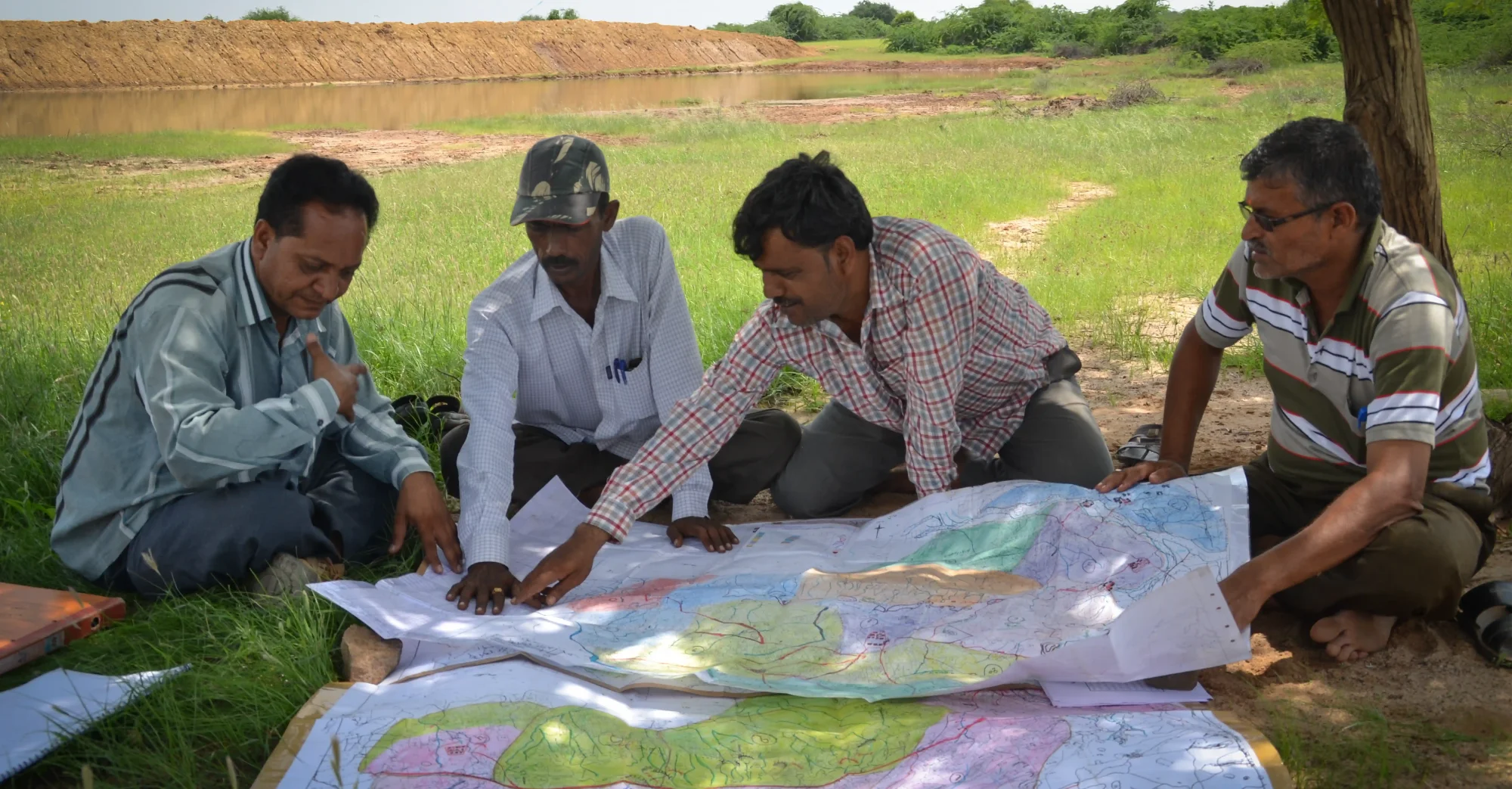
Arghyam’s work on Participatory Groundwater Management focuses on enabling communities to better understand and manage their local groundwater resources. This includes strengthening local institutions, building community knowledge about aquifers, and supporting collective decision making around water use.
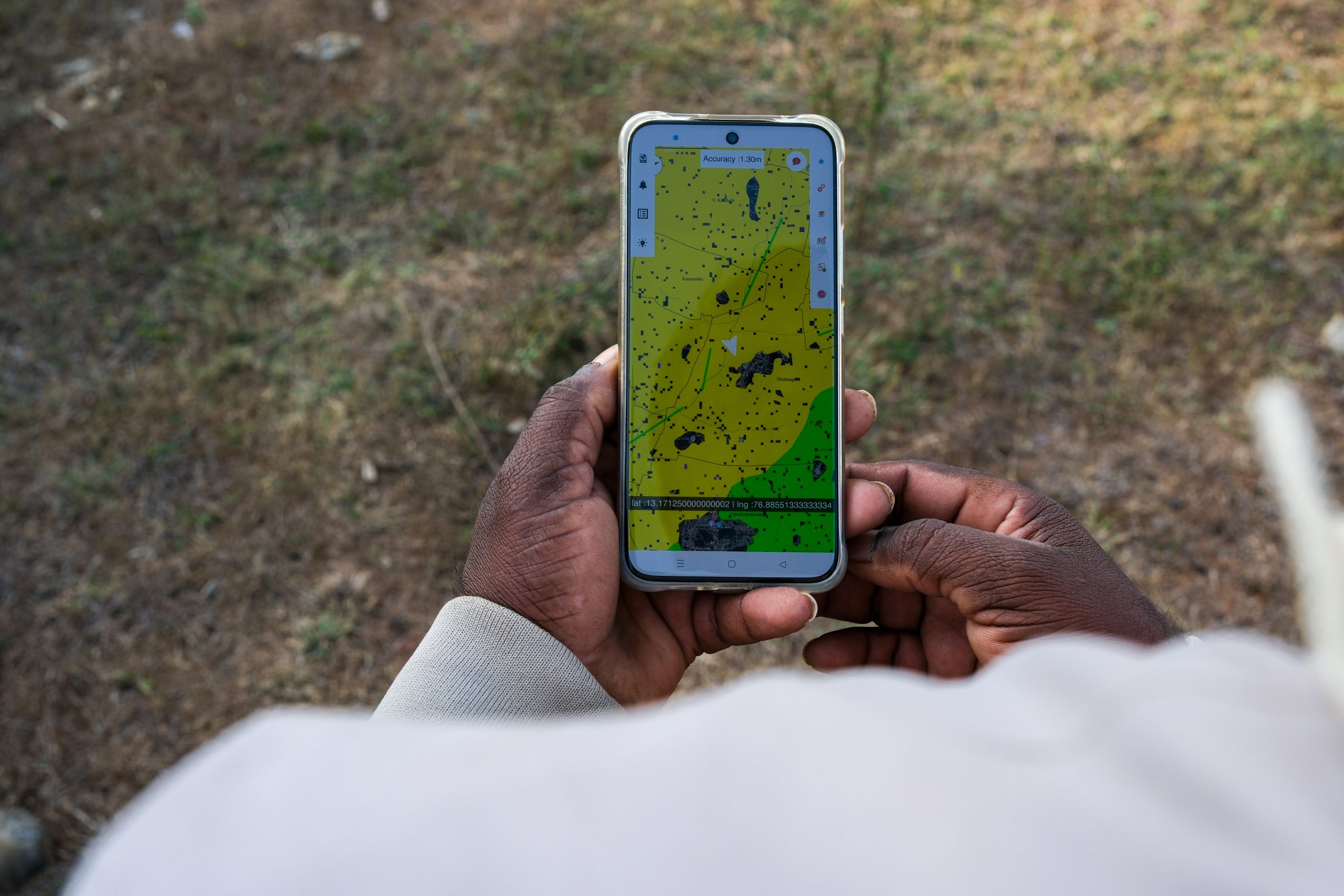
A key part of this work involves making groundwater information accessible and meaningful at the village level. When communities understand how groundwater behaves, how it is recharged, and how extraction affects shared resources, they are better able to make informed decisions.
Through partnerships with practitioners, researchers, and local institutions, Arghyam supports approaches that place communities at the center of groundwater management.
These efforts help build the foundations for long term groundwater sustainability while strengthening local stewardship of shared water resources.