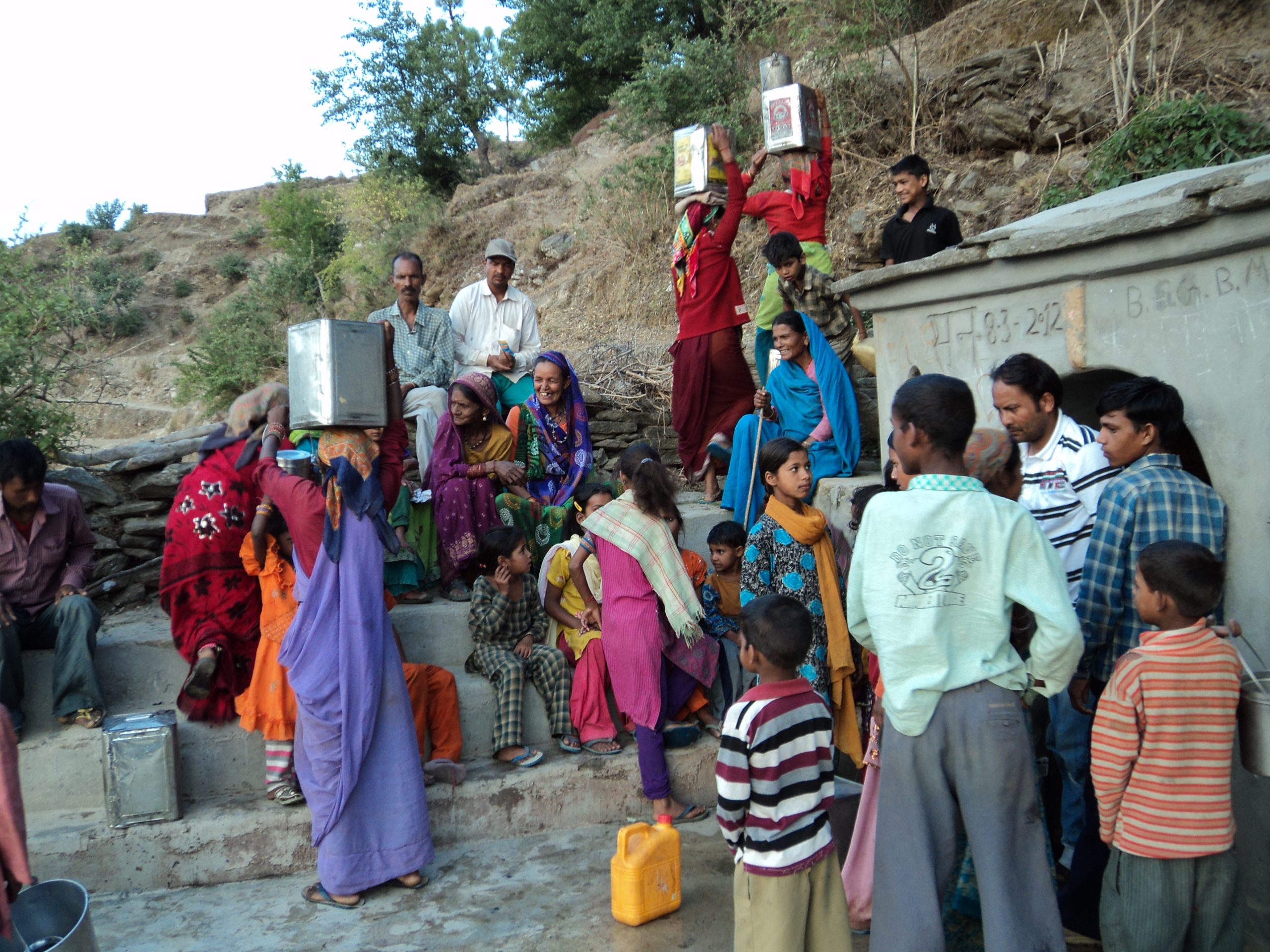

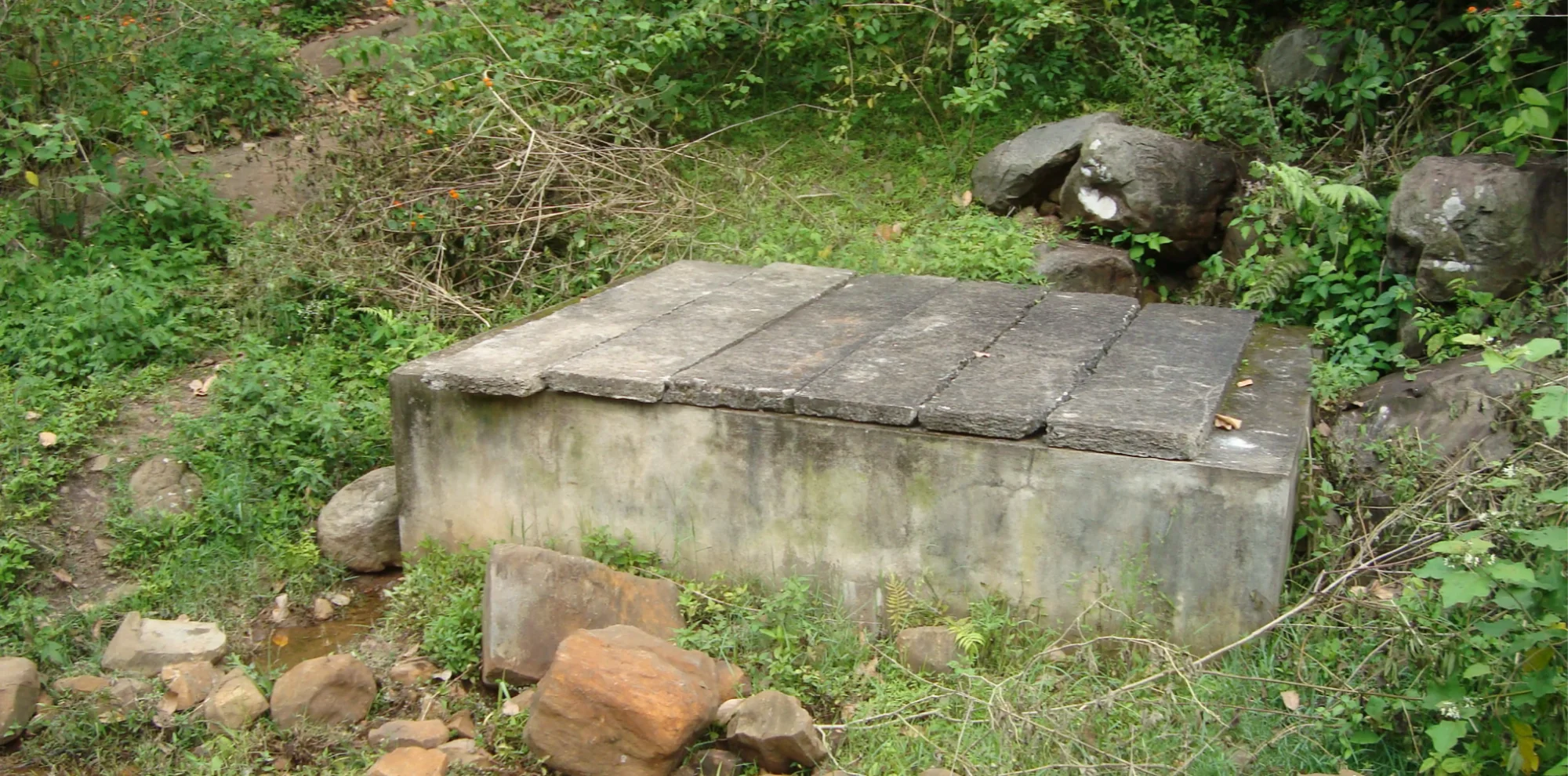
In many mountain regions of India, springs are the primary source of drinking water. Protecting them requires understanding the landscapes and aquifers that sustain them.
- Projects
7
- States
9
- Partners
6
- People Trained
701
- Households
5,540
- People Reached
27,700
OUR APPROACH
Across the Himalayan region, the Western Ghats, and other hill landscapes, millions of people depend on springs for their daily water needs. Yet many springs have weakened or dried over time due to changing rainfall patterns, land use changes, and growing pressure on fragile ecosystems.
Unlike surface water bodies, springs are fed by complex underground systems that connect forests, soils, slopes, and aquifers. Protecting these sources requires understanding the broader springshed, the landscape that captures and stores water before it emerges as a spring.
Arghyam’s work on springshed management focuses on strengthening the science and practice needed to protect these sources. This includes mapping springsheds, understanding groundwater movement in hill aquifers, and supporting restoration efforts that improve recharge and ecosystem health.
Communities play a central role in these efforts. Local knowledge, combined with scientific understanding, can help identify the actions needed to restore and sustain spring flows.
Through partnerships with practitioners, researchers, and local institutions, Arghyam supports approaches that help protect spring-dependent communities while strengthening the long term sustainability of mountain water systems.