
Background
The second wave of COVID-19 placed severe stress on vulnerable communities across India. Many partners working in water and livelihood programmes reported acute distress among migrant workers, informal labourers and rural households.
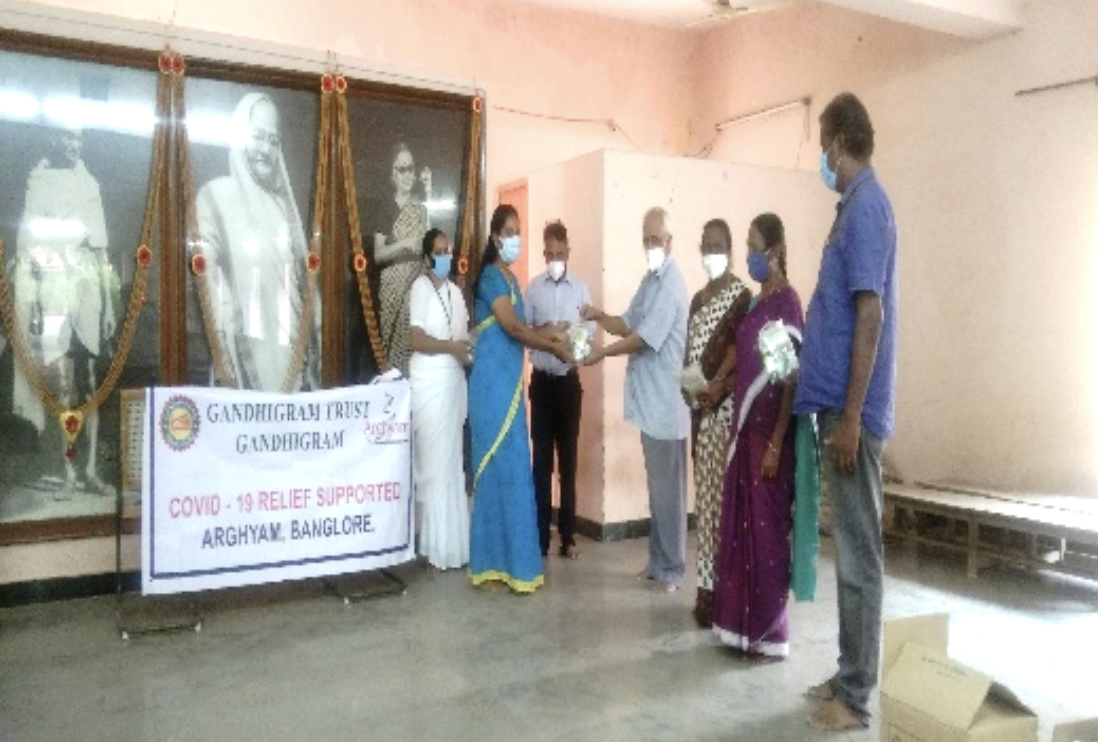
Arghyam extended grants to support relief and recovery efforts across 24 projects in 12 states. Interventions focused on dignified interstate migration, access to citizen entitlements, livelihood revival, micro-enterprise support, skill building for adolescents and bridging learning gaps for children.
In cyclone-affected regions such as the Sundarbans, communities faced compounded crises from COVID and extreme weather events.
SOLUTION
Our Approach
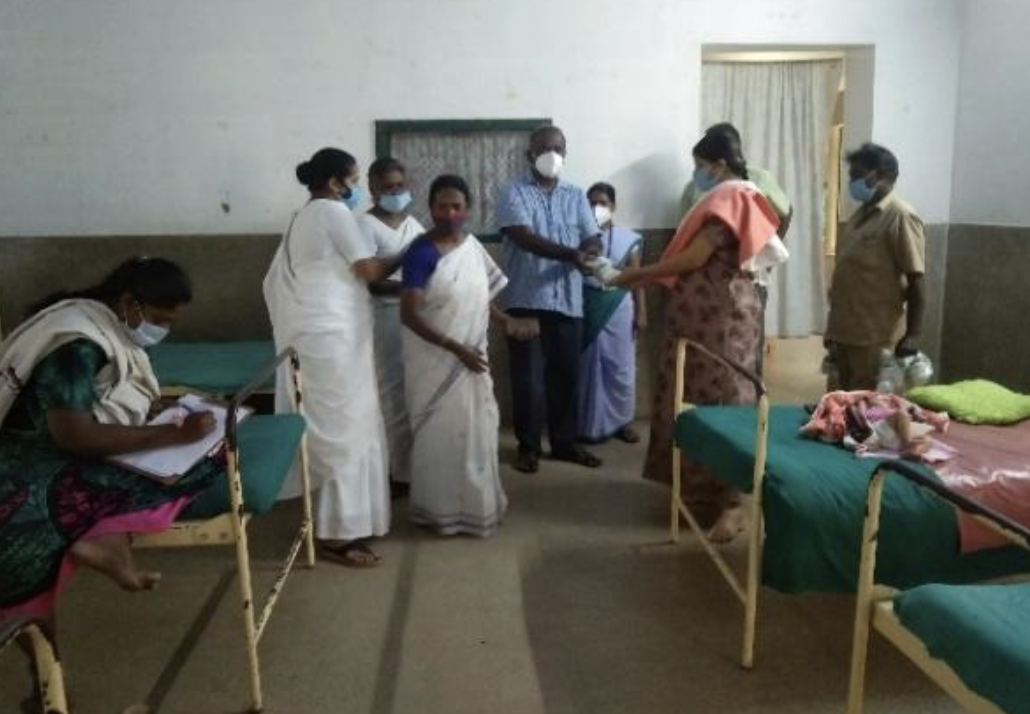
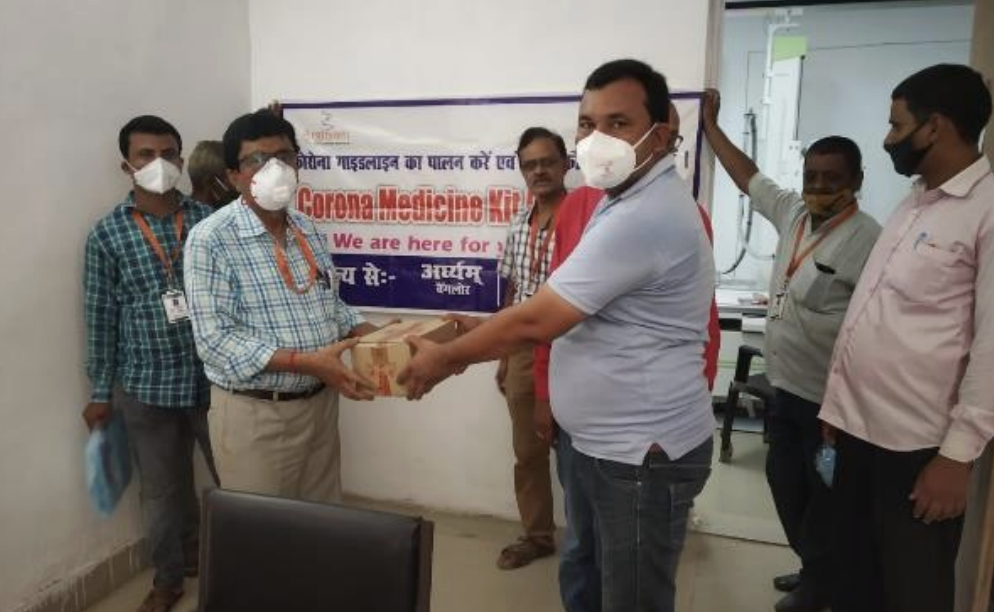
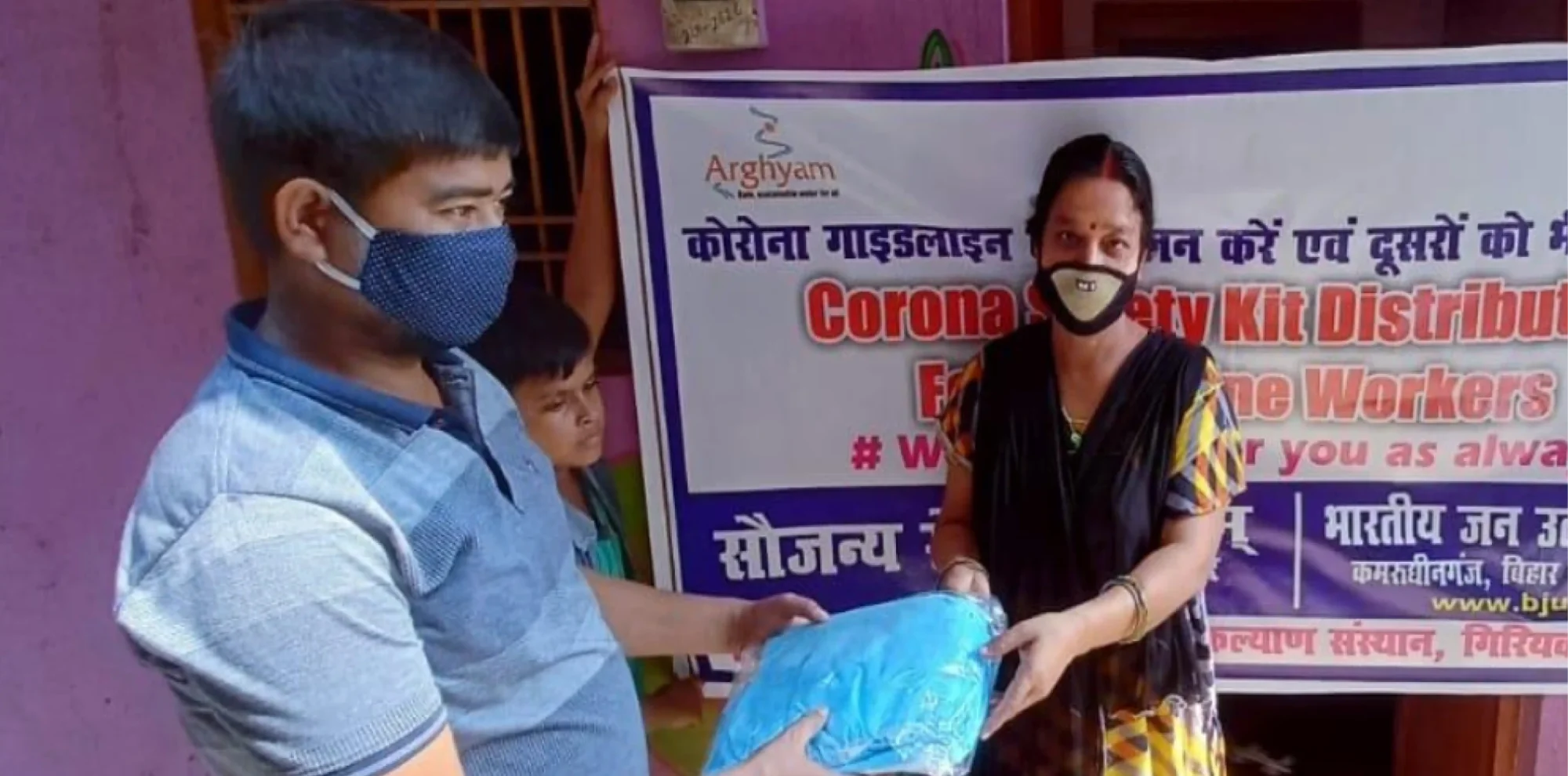
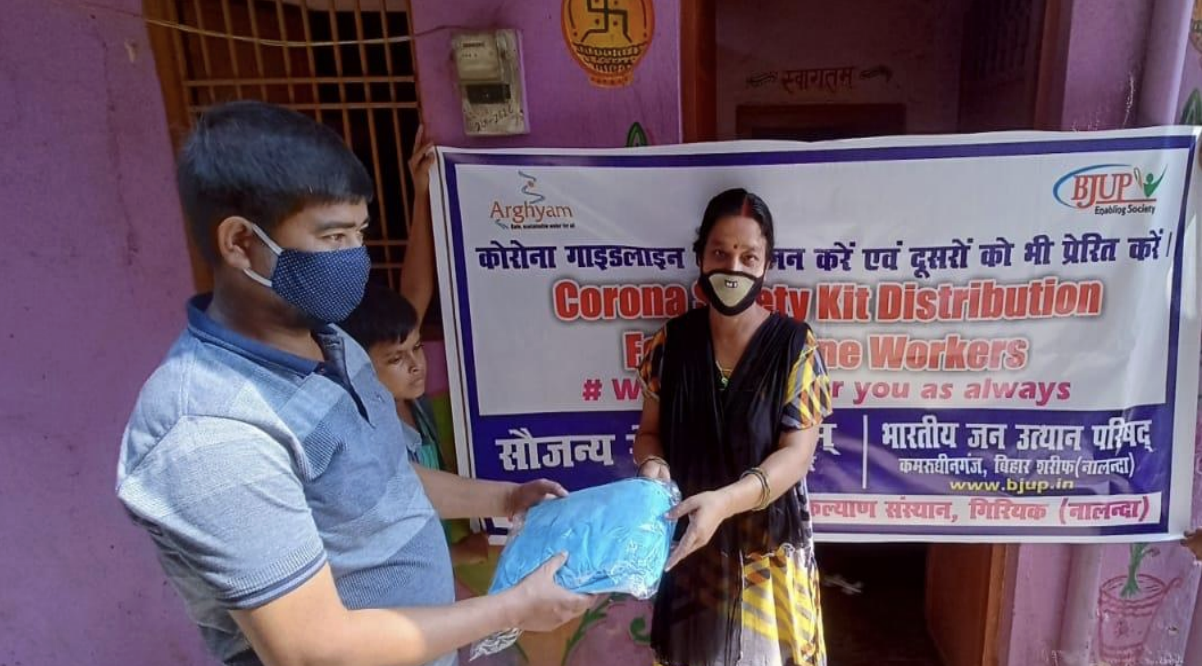
Relief measures included provision of dry ration, drinking water, sanitation facilities and healthcare supplies such as oxygen concentrators, pulse oximeters and protective equipment. Support was extended to primary health centres and frontline health personnel.
In the Sundarbans, around 3,000 cyclone-affected individuals received emergency support including food and water supplies. Across interventions, relief efforts reached 292,000 people.
The approach prioritised working through trusted local partners who understood community needs. Rather than launching standalone initiatives, Arghyam strengthened existing networks to respond quickly.
Frontline workers across programmes have often noted that while crises disrupt livelihoods, knowledge and skills gained through earlier capacity-building efforts remain with communities and continue to support recovery. Relief efforts were therefore linked, where possible, to longer-term resilience and livelihood restoration.