
Background
Karnataka faces increasing groundwater stress driven by variable rainfall, intensive extraction and land use change. Recognising this, the state launched Antarajala Chetana in 2020, later renamed Jala Sanjeevini, to strengthen groundwater recharge and natural resource management through MGNREGS. The programme emphasises scientific planning combined with community participation at the gram panchayat level.
While technical tools and guidelines were available, scaling participatory groundwater planning across the state required clear articulation of roles, processes and accountability within the MGNREGS system. Field staff needed practical methods to translate hydrogeological principles into location-specific plans that communities could understand and support. The partnership aimed to demonstrate how structured programme design and digital platforms could enable this transition at scale.
SOLUTION
Our Approach
The work began with a detailed design phase that mapped all actors involved in the programme, from barefoot technicians and technical assistants to social mobilisers and panchayat representatives. Each role was linked to specific tasks, training needs and outputs, creating a shared understanding of who does what and how. Training content was broken into small, practical modules aligned with these roles.
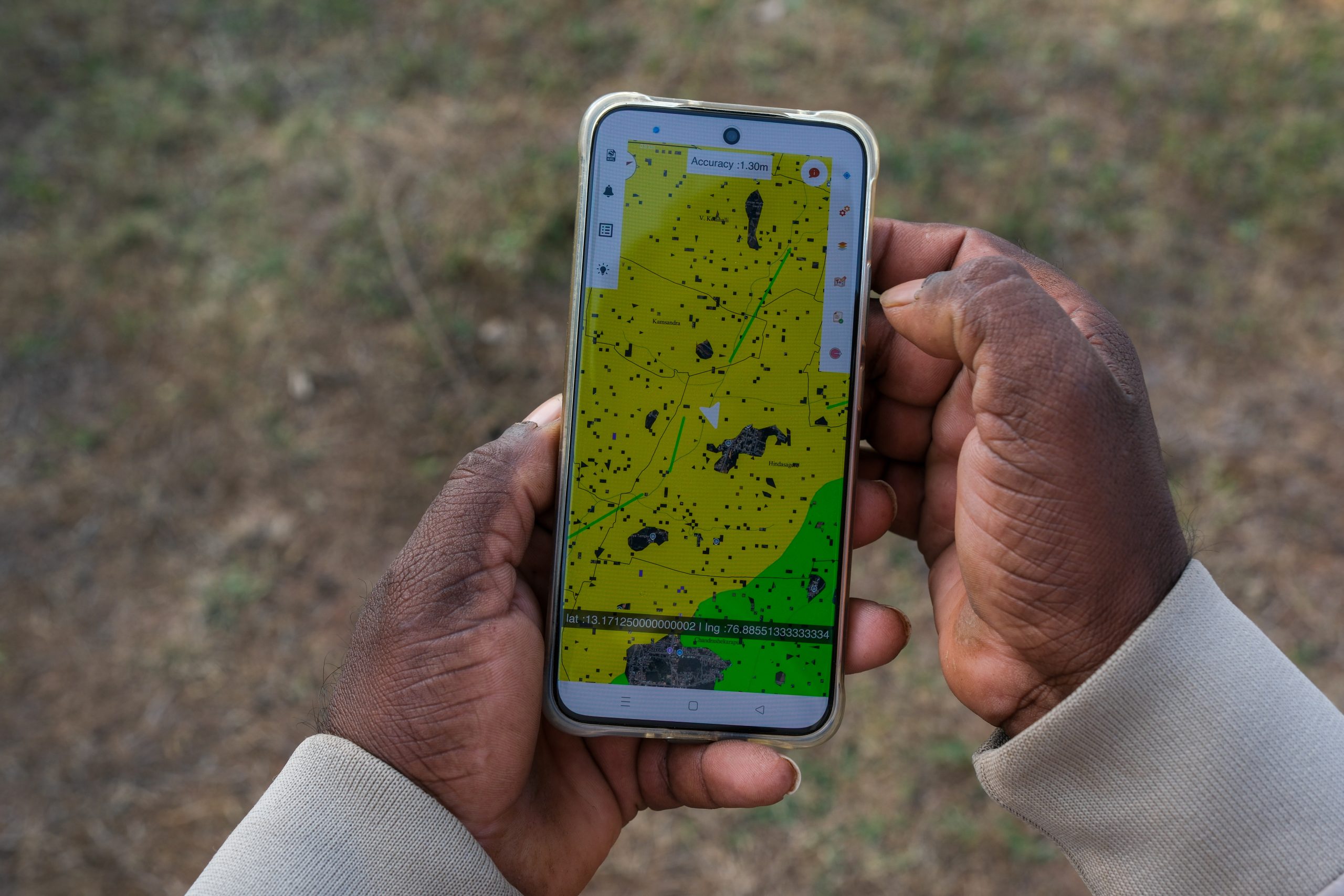
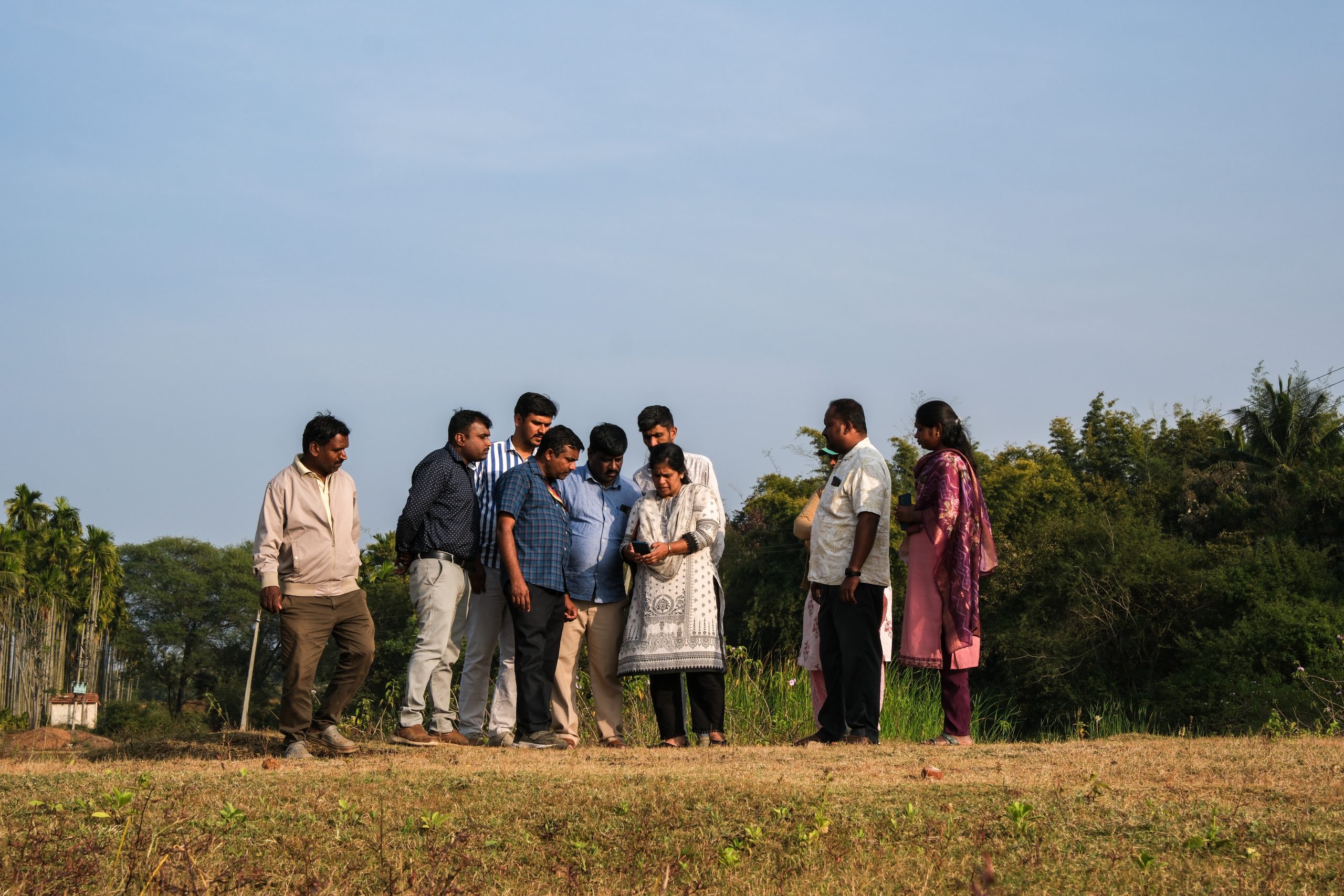
Participatory Digital Attestation was used to deliver training, track participation and provide ongoing access to learning resources. Alongside this, the Composite Landscape Assessment and Restoration Tool was deployed to support technical planning. CLART enabled field staff to assess recharge potential and identify appropriate water conservation structures using GIS-based analysis.
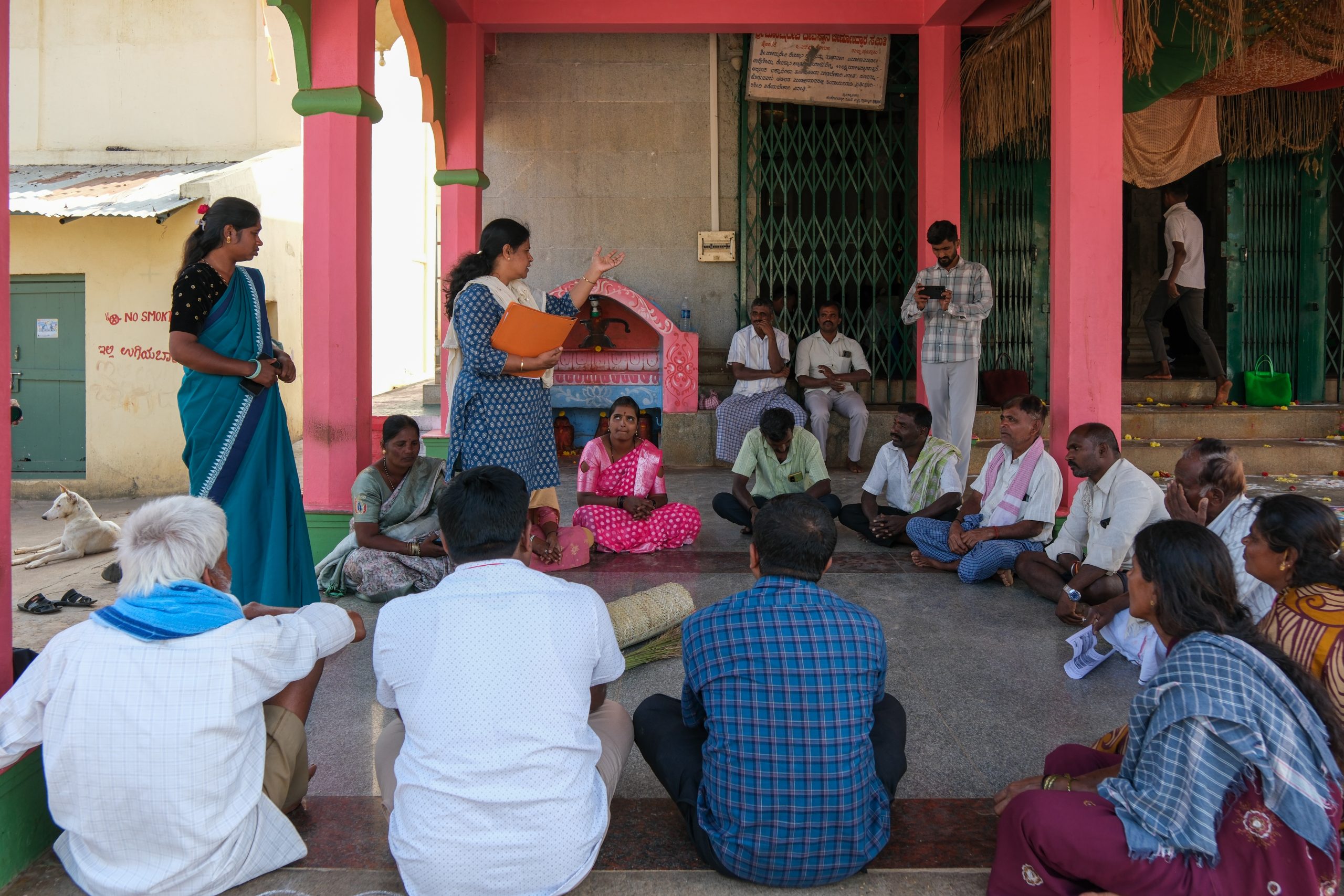
Importantly, technical planning was integrated with participatory rural appraisal processes. Community members were involved in reviewing proposed interventions, ensuring that local knowledge and priorities informed decisions alongside scientific inputs. Periodic virtual mentoring sessions connected field staff with technical experts, allowing challenges to be discussed and resolved quickly.
Every proposed intervention was reviewed before inclusion in gram panchayat plans, strengthening quality control. Officials noted that this structured approach helped standardise planning across districts while retaining flexibility for local conditions. The programme highlighted the importance of investing in programme design and deployment support to translate state-level vision into consistent action on the ground.