
Background
Karnataka faces increasing groundwater stress due to declining recharge, uneven rainfall and rising demand. In response, the state launched Jala Sanjeevani in 2022 to strengthen groundwater management through systematic planning at scale. By 2023–24, the challenge was to operationalise this ambition across districts and gram panchayats. While data on watersheds, structures and groundwater levels existed, it was fragmented and difficult for local institutions to use for planning and prioritisation. This year’s work focused on creating a repeatable planning process that could help gram panchayats understand their landscapes, identify recharge opportunities and translate plans into implementable actions.
SOLUTION
Our Approach
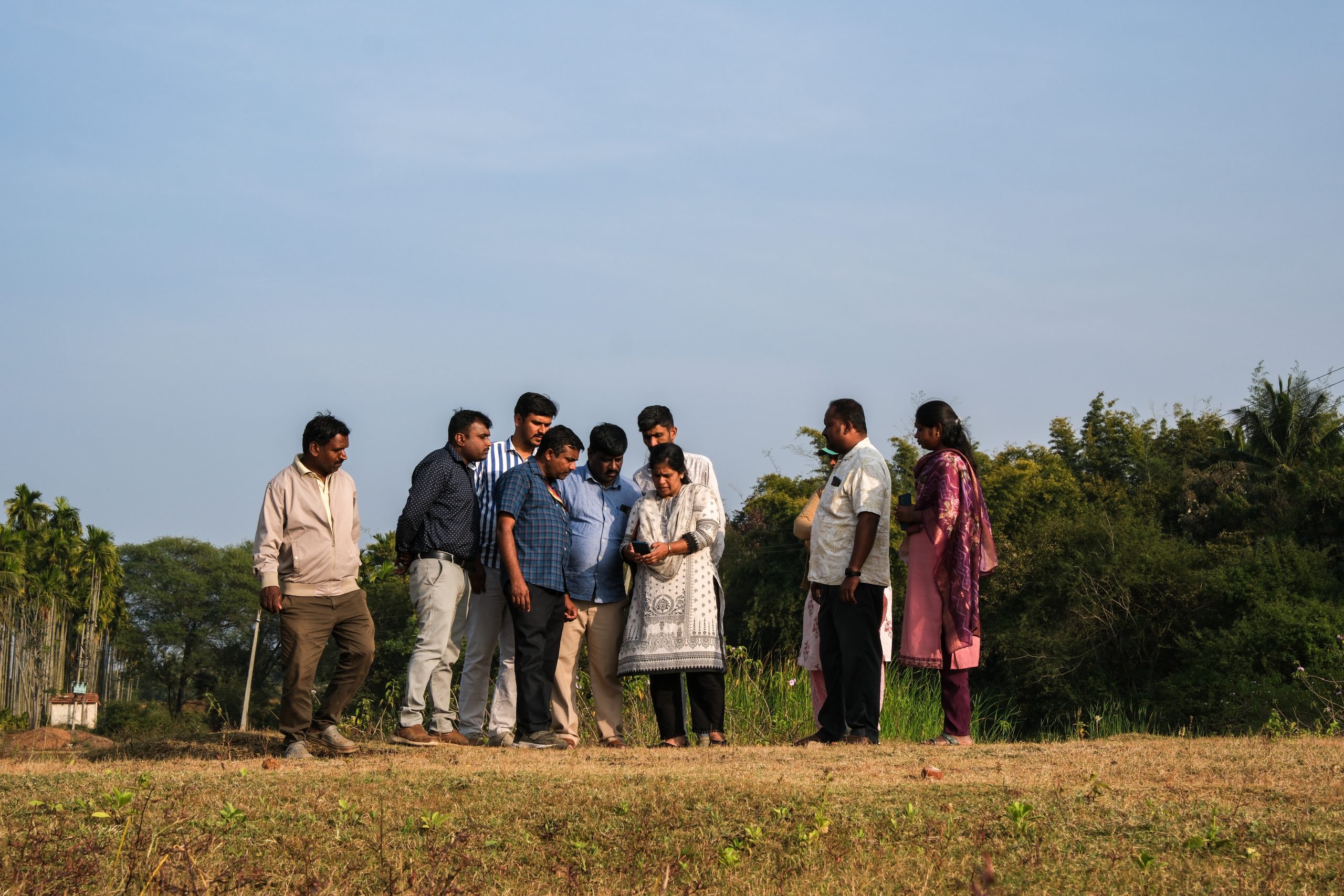
The pilot covered eight districts and focused on planning at the micro-watershed and reach level within each gram panchayat. The process began with a structured planning framework that could be applied consistently while remaining adaptable to local contexts. Secondary data on water budgets, groundwater levels and existing structures was combined with field verification and community inputs.
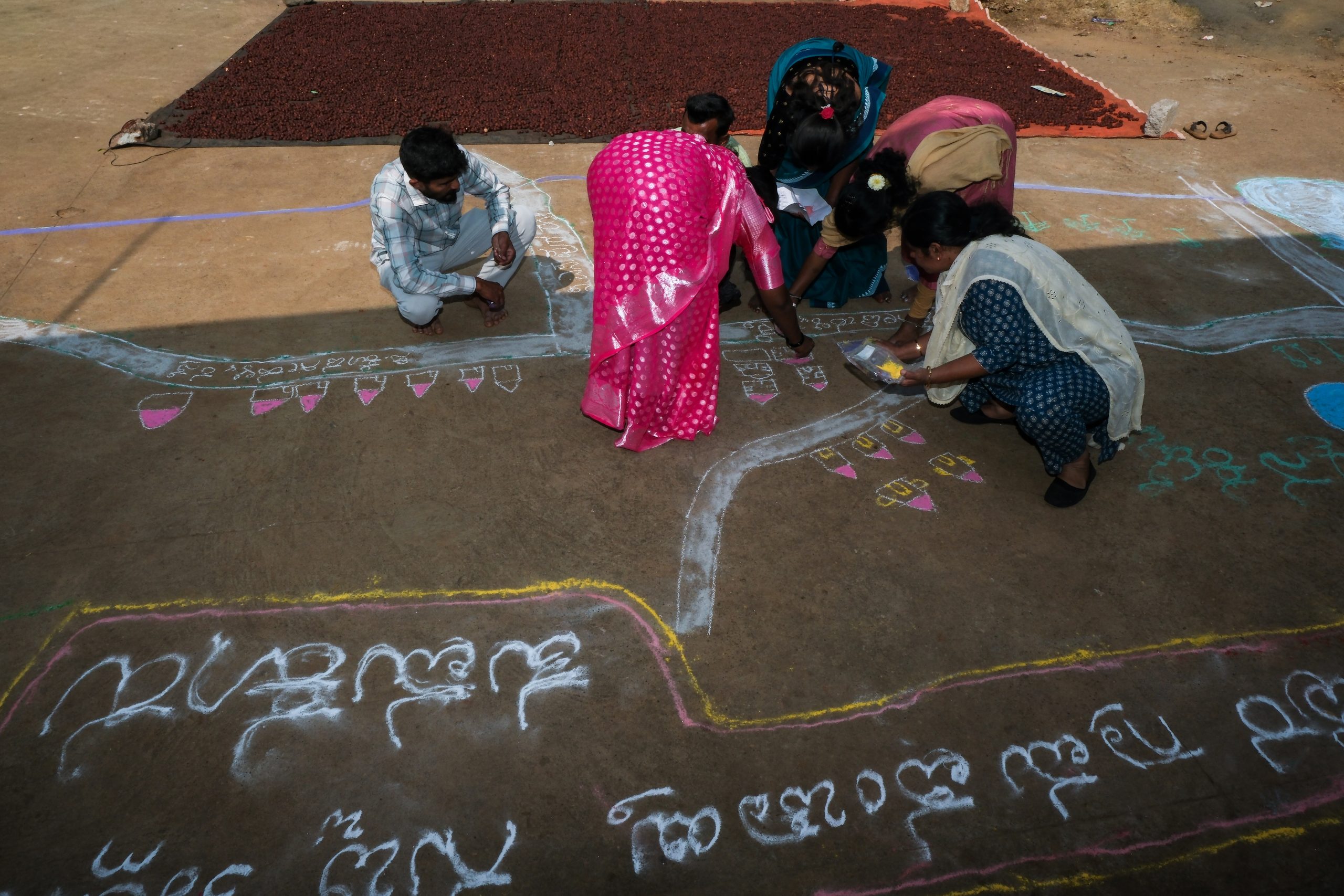
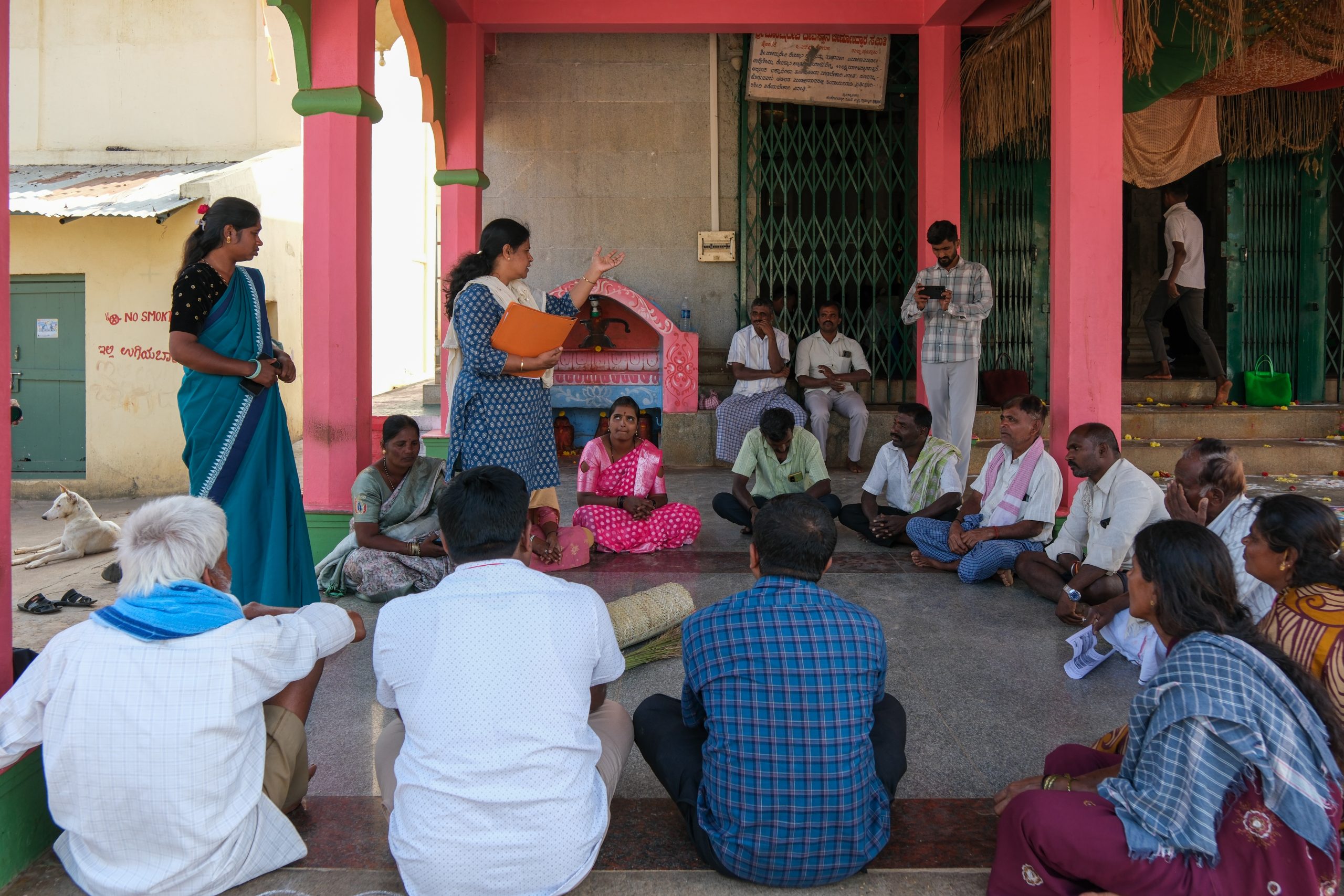
Capacity building was central to implementation. Bare Foot Technicians, Grama Kayaka Mitras, master trainers and district teams were trained to lead planning activities. These actors worked closely with Ward Sabhas and Gram Sabhas to ground-truth drainage lines, identify recharge zones and prioritise works.
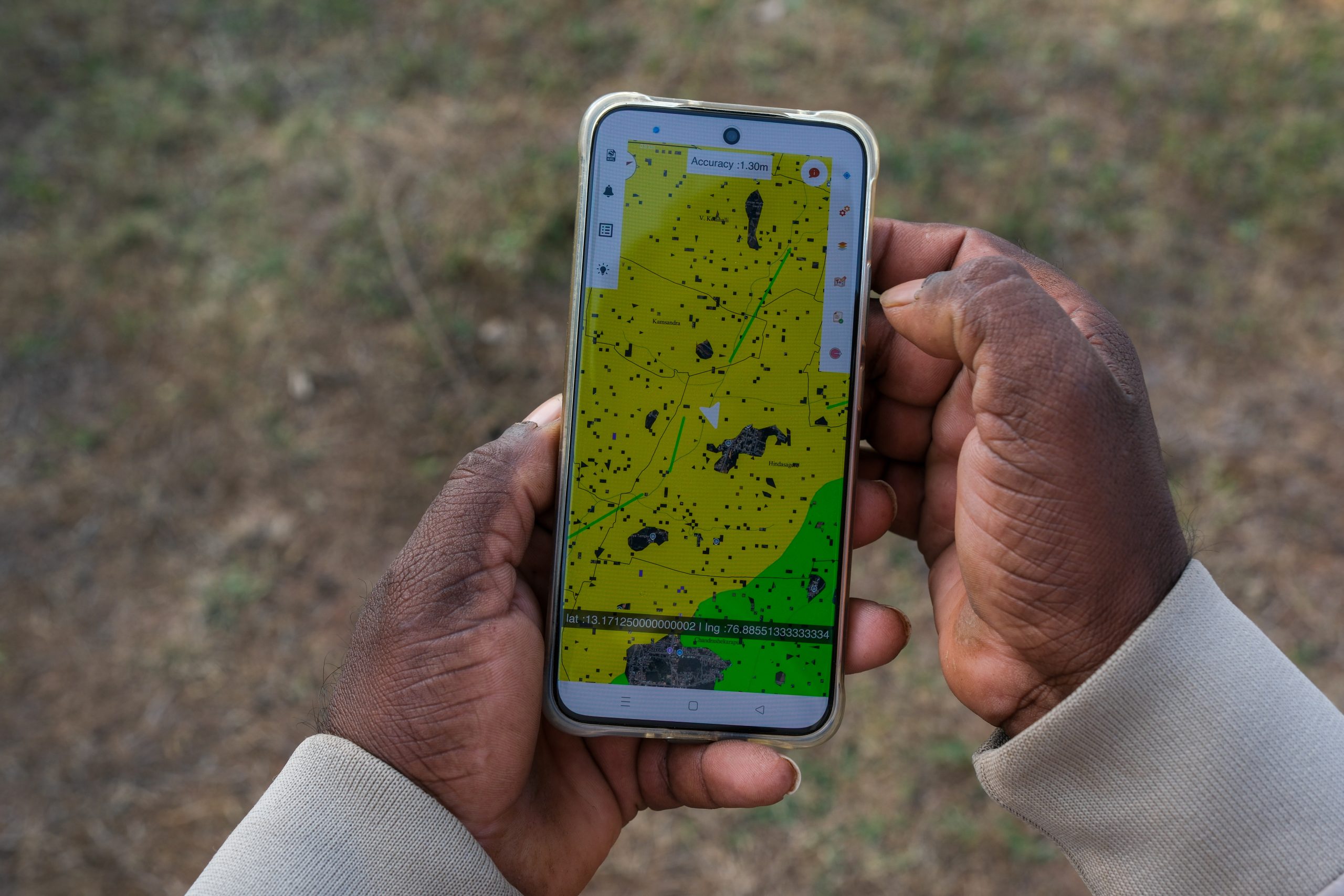
Digital tools supported scale and consistency. CLART was used to capture field observations and proposed works, while a digitally assembled Jala Sanjeevani plan integrated multiple datasets into a single output. This reduced manual effort and helped standardise planning across gram panchayats.
Community consultations were integral throughout. Field teams noted that visual planning outputs made it easier for community members to engage with technical concepts and participate meaningfully in prioritisation. By the end of the cycle, gram panchayats had actionable plans that linked local priorities with district and state processes, demonstrating how source sustainability planning can be scaled when institutions, data and tools are aligned.