
Background
Bihar has made significant progress in expanding piped water infrastructure through the Mukhyamantri Gramin Peyjal Nishchay Yojana, now integrated under the Jal Jeevan Mission. With coverage expanding rapidly, attention has shifted to what happens after infrastructure is built. Many schemes face challenges related to routine maintenance, tariff collection, record keeping and community engagement. Government guidelines issued in 2021 formally placed responsibility for long-term operations and maintenance with Ward Implementation and Management Committees, supported by frontline workers known as Anurakshaks.
However, translating policy intent into daily practice requires sustained capacity building, clarity of roles and systems that reduce manual effort. The Muzaffarpur programme was designed to demonstrate how local institutions can manage single-village water supply schemes effectively when supported with appropriate training, digital tools and programme governance. The focus was on creating a replicable model that fits within existing government systems rather than introducing parallel structures.
SOLUTION
Our Approach
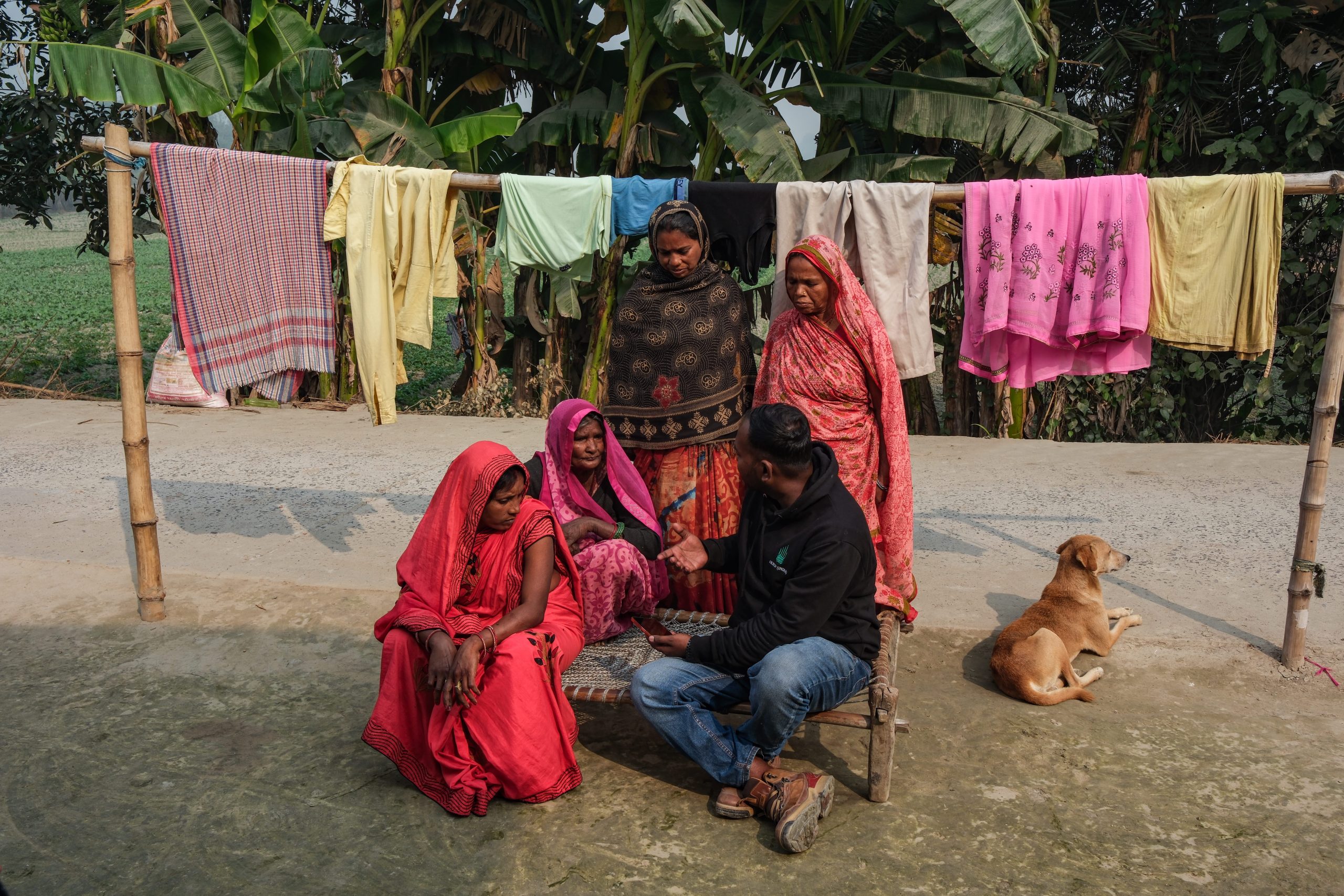
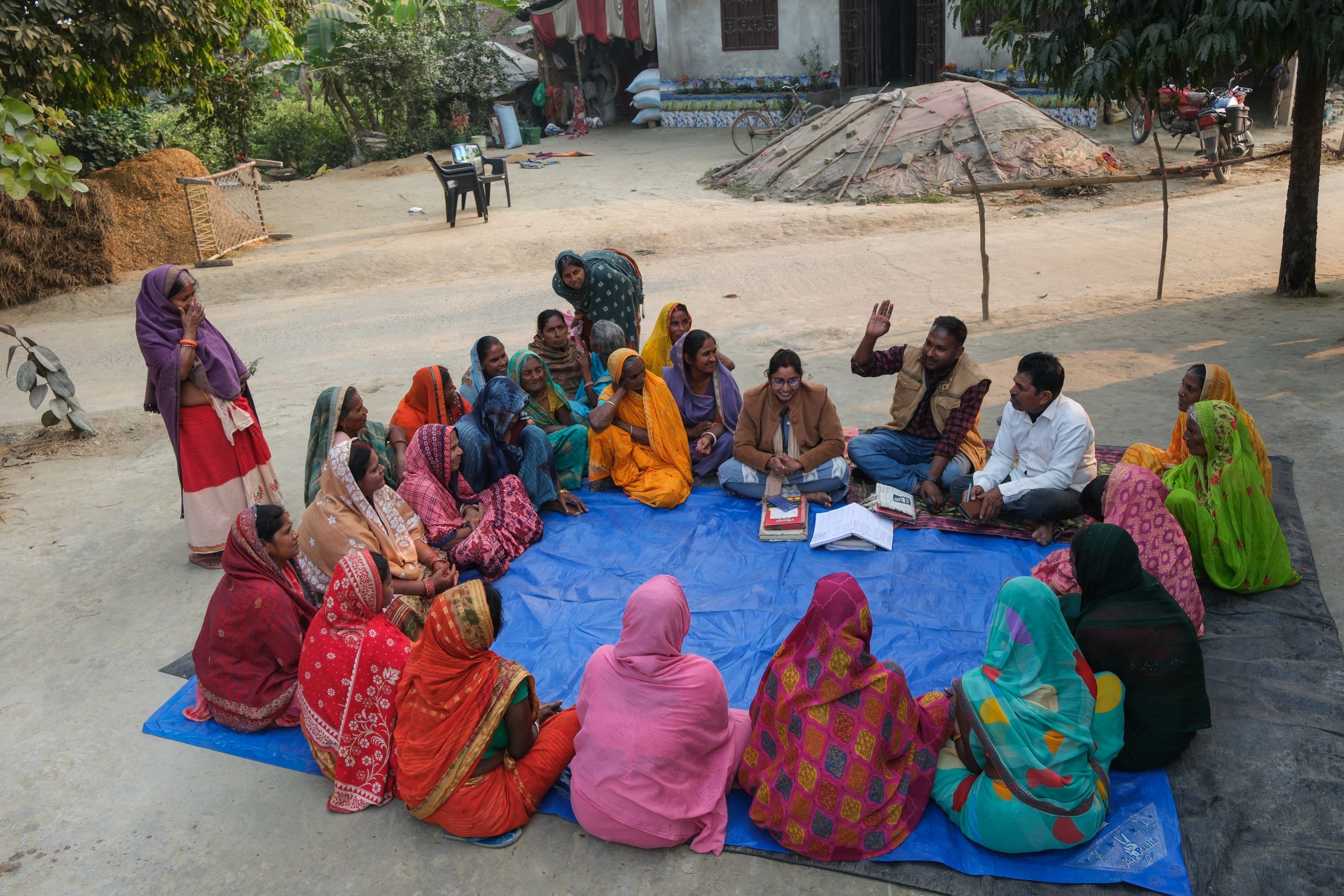
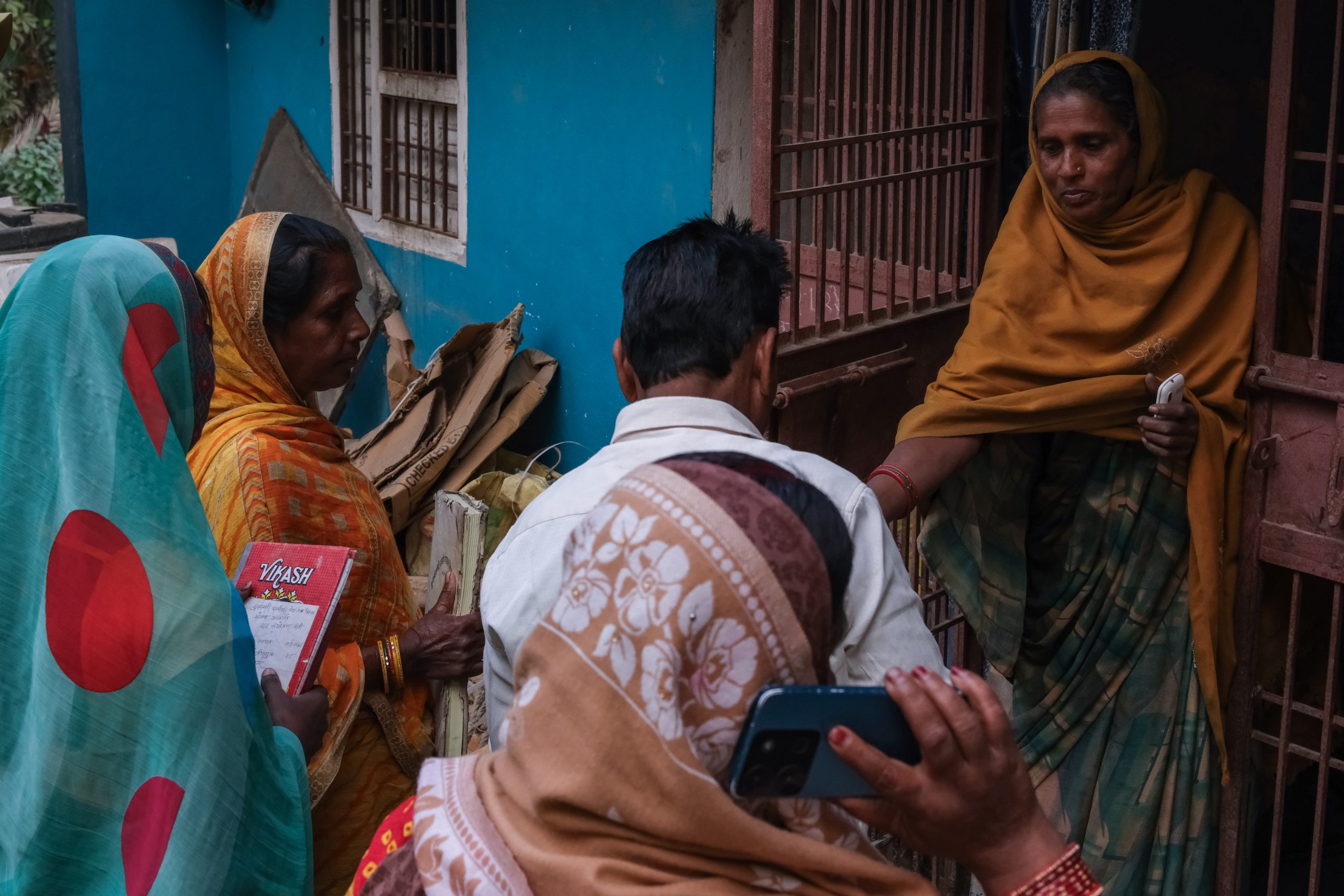
The programme focused on building the agency of Ward Implementation and Management Committees and Anurakshaks who are responsible for daily operations at the ward level. Training was designed as a continuous process rather than a one-time intervention, covering core areas such as scheme operation, basic repairs, water quality testing, record keeping and community mobilisation.
Digital tools were embedded to support this work. Participatory Digital Attestation was used to deliver training content on mobile phones, allowing frontline workers to revisit material as needed while giving departments visibility into who had been trained. As field activities progressed, additional tools were designed to help Anurakshaks log key tasks such as tank cleaning, water quality testing, Jal Chaupal meetings and WIMC meetings in real time. This reduced paperwork and created a reliable digital trail of activities.
Programme design deliberately mirrored government staffing patterns, with minimal external field staff to reflect scale conditions. Community Resource Persons worked across multiple gram panchayats, similar to government technical assistants. This alignment helped integrate the model into existing administrative workflows.
Frontline workers shared that having clear roles, accessible reference material and simple tools made it easier to perform their duties with confidence. Communities reported more consistent water supply and were more willing to contribute user charges when systems functioned reliably. The programme demonstrated how trusted data generated through everyday work can improve oversight, decision making and accountability across levels.