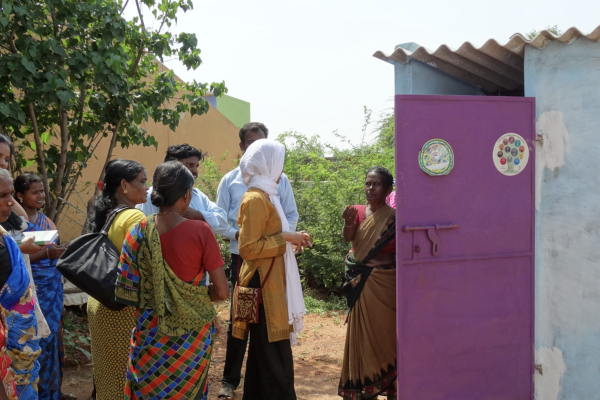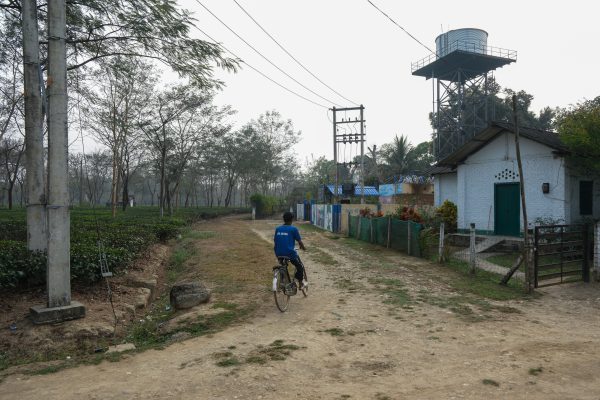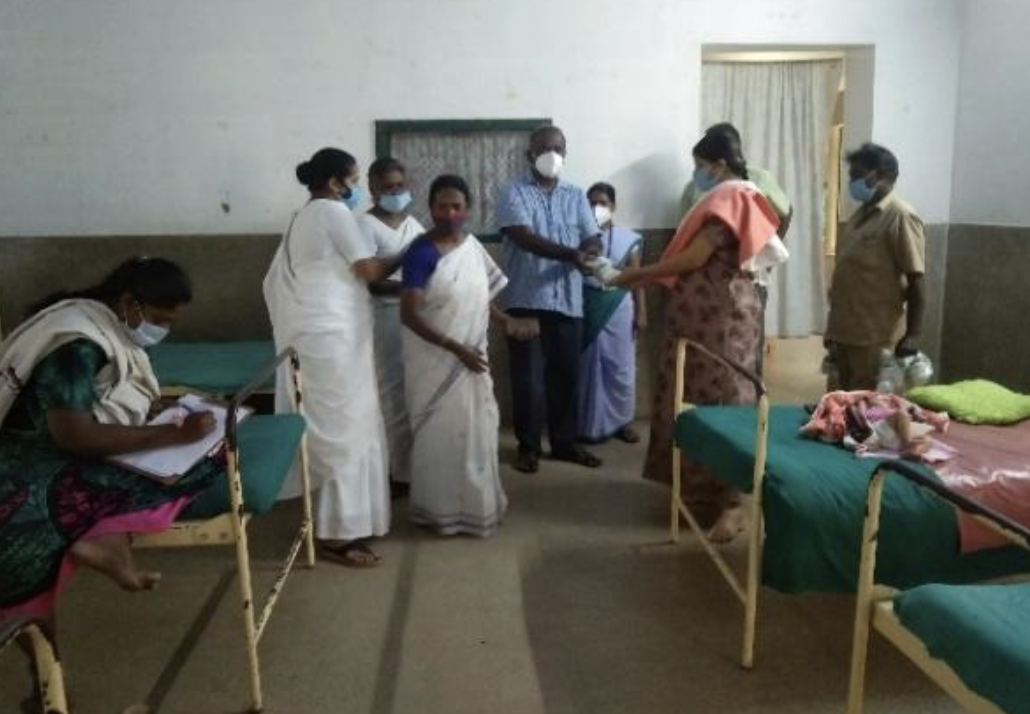

Rural water systems do not run on infrastructure alone. They run on people, their labour, skills and everyday decisions.
-
Published OnMay 2012
-
AuthorsSunita Nadhamuni
BACKGROUND
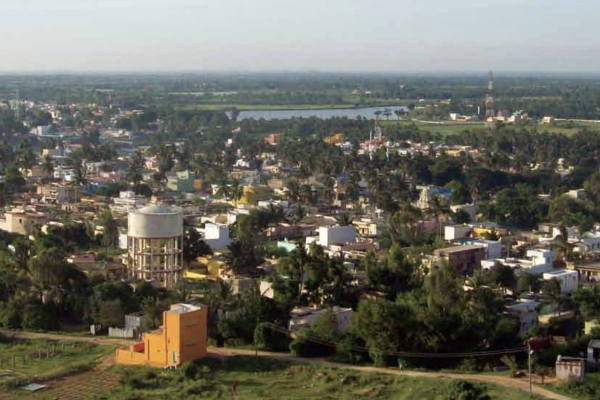
This report documents Arghyam’s Integrated Urban Water Management (IUWM) programme implemented in Mulbagal, a small town in Karnataka. Initiated in 2008, the programme explored how urban local bodies could ensure reliable water access while managing their water resources sustainably.
IUWM recognises that urban water challenges cannot be solved through infrastructure alone. Water supply, wastewater, stormwater, groundwater, and sanitation systems are deeply interconnected and must be managed as part of a single, integrated cycle from source to disposal.
The Mulbagal initiative brought together government agencies, civil society organisations, researchers, and citizens to test this approach. Scientific studies on groundwater behaviour, water quality, energy use and household water practices were combined with community mobilisation and participatory planning processes.
Through these efforts, the programme explored practical interventions such as rainwater harvesting, decentralised wastewater treatment, energy efficiency improvements and strengthened local institutions. The report reflects on the successes, challenges and lessons from the pilot, offering insights into how Indian towns can move toward more sustainable, inclusive and locally governed urban water systems.