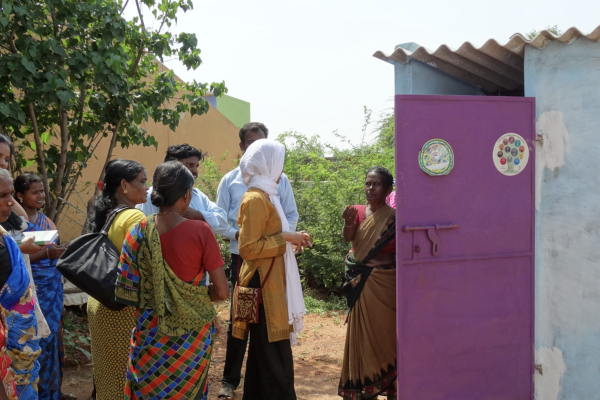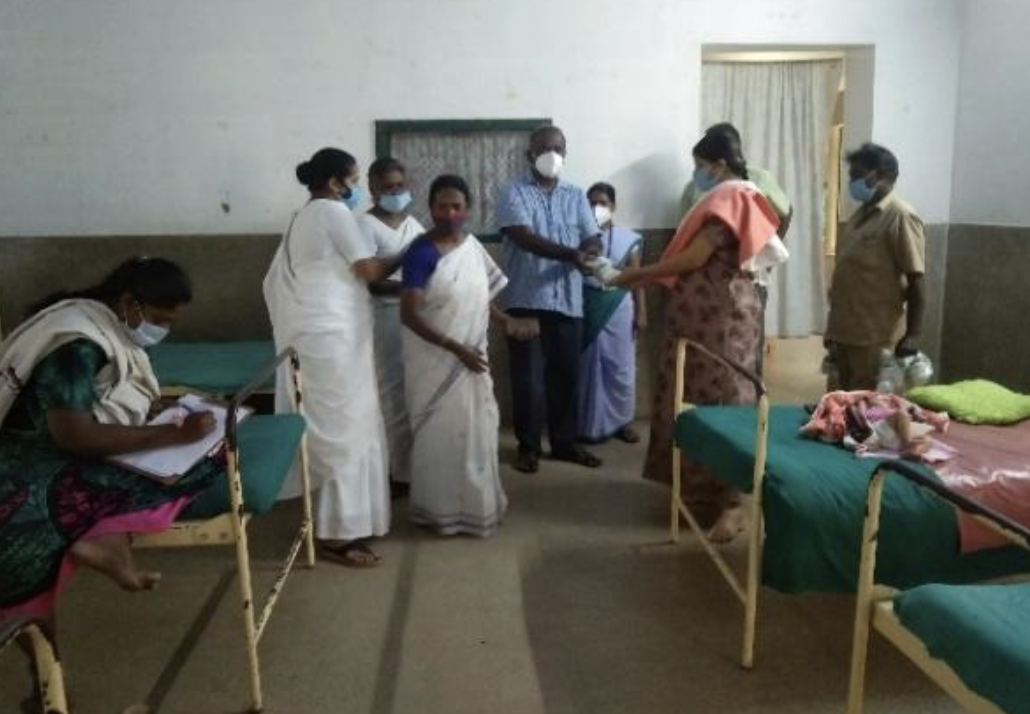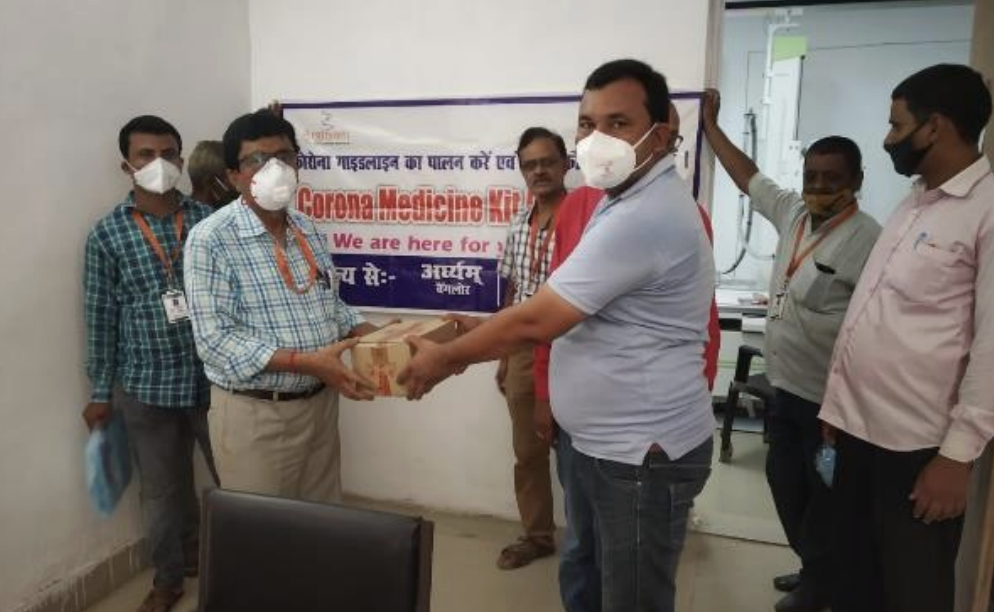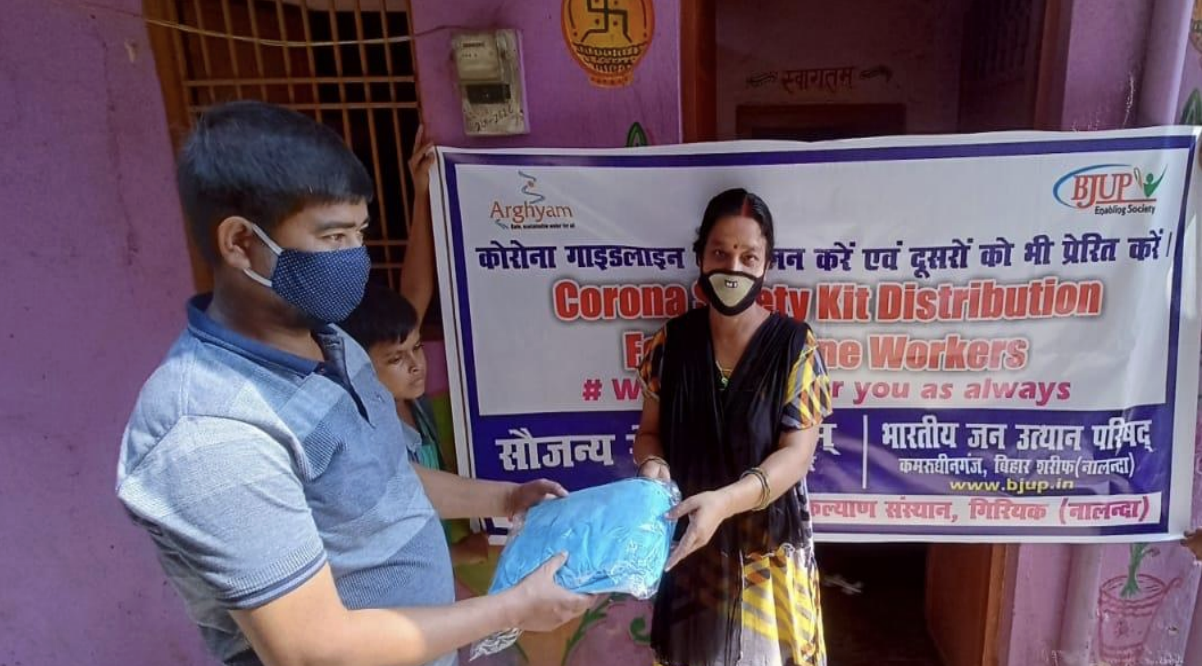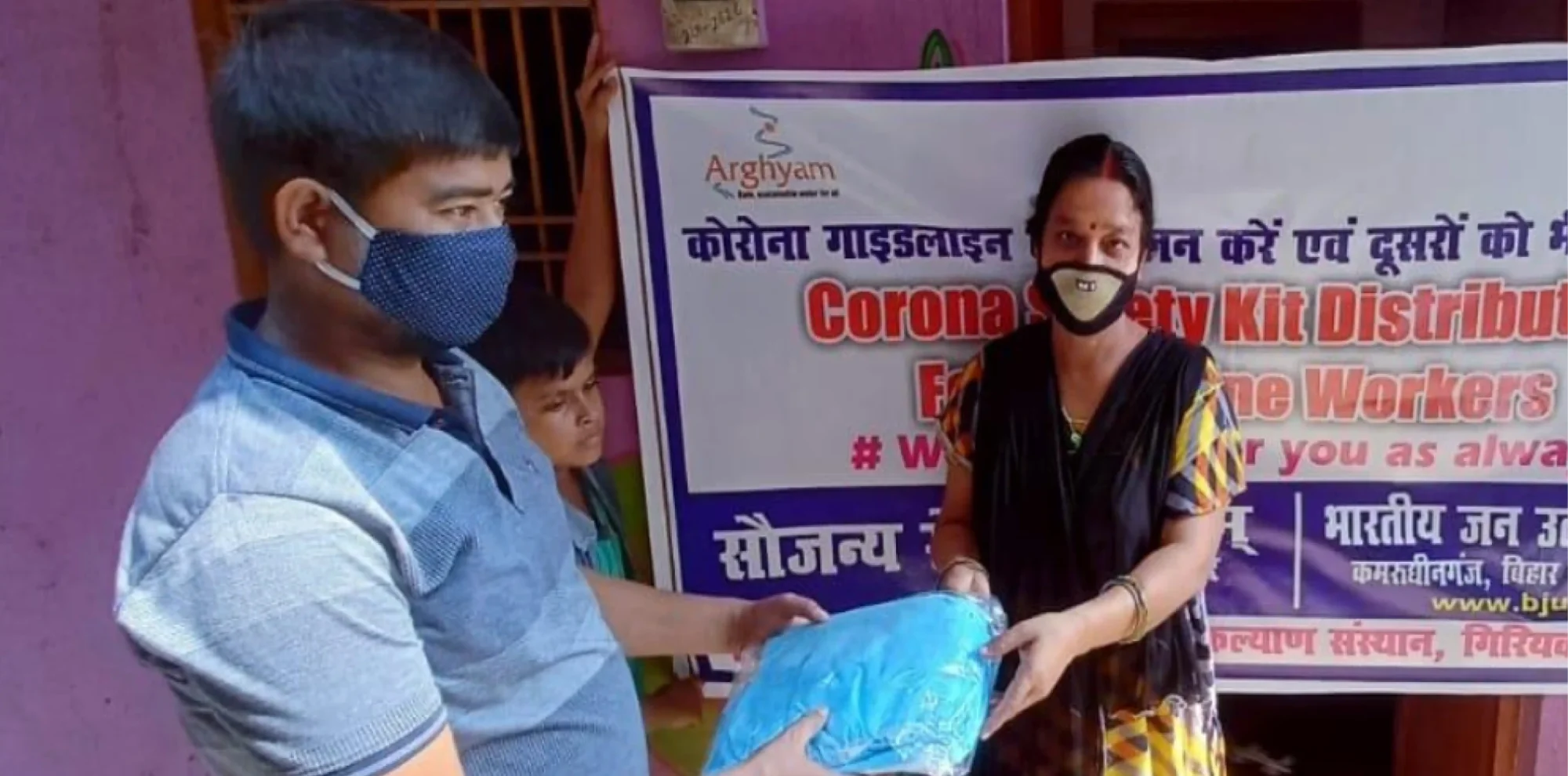

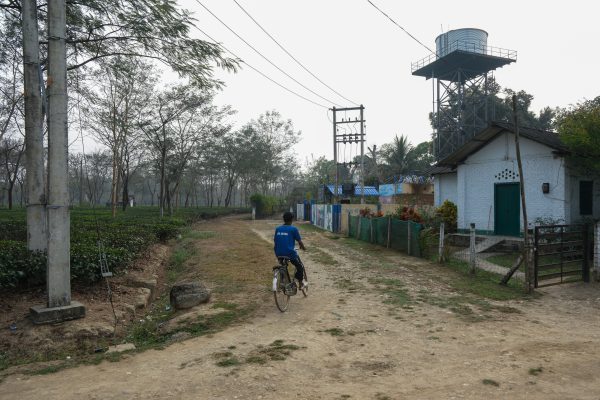
Rural water systems do not run on infrastructure alone. They run on people, their labour, skills and everyday decisions.
-
Published OnMar 2026
-
AuthorsPradeep Singh, Seemanthani Sen Gupta, Manu Srivastava
BACKGROUND
India’s Jal Jeevan Mission has rapidly expanded rural drinking water access, increasing household tap coverage from about 16 percent in 2019 to more than 78 percent in just a few years. As the mission moves closer to universal coverage, the central challenge is shifting from infrastructure creation to ensuring long-term service reliability, water quality, and source sustainability.
This paper explores how Digital Public Infrastructure (DPI) can support this transition. Rural water systems across India are diverse, ranging from single-village schemes to large multi-village systems, each with different governance structures and operational challenges. Ensuring that these systems function reliably over decades requires strong coordination between government institutions, local communities, frontline workers, markets, and knowledge partners.
The paper proposes a federated digital architecture built around shared registries, open standards and interoperable APIs. Rather than a single monolithic system, this approach enables multiple actors to build solutions that respond to local needs while remaining connected through a common digital backbone.
It also highlights the importance of governance, open data frameworks, ecosystem collaboration and public-private innovation to ensure that digital infrastructure strengthens accountability, transparency and long-term sustainability in rural water service delivery.