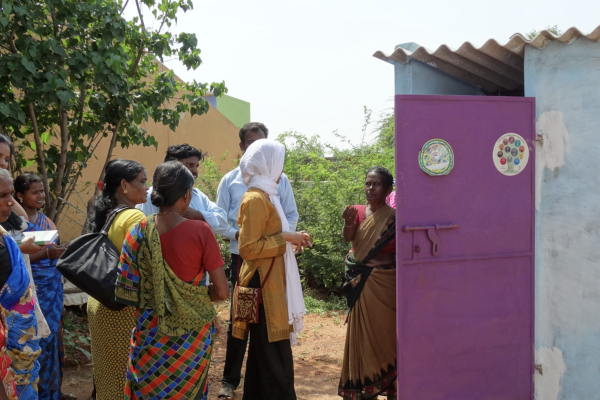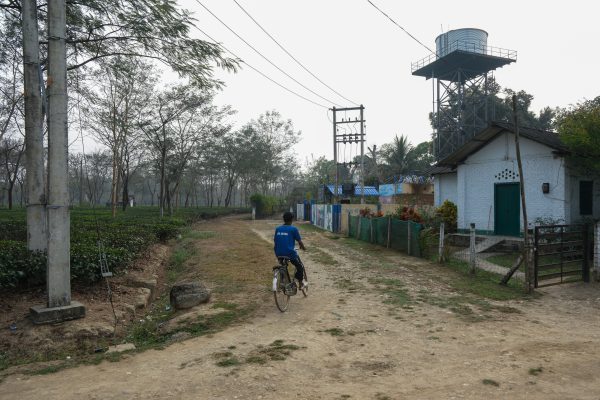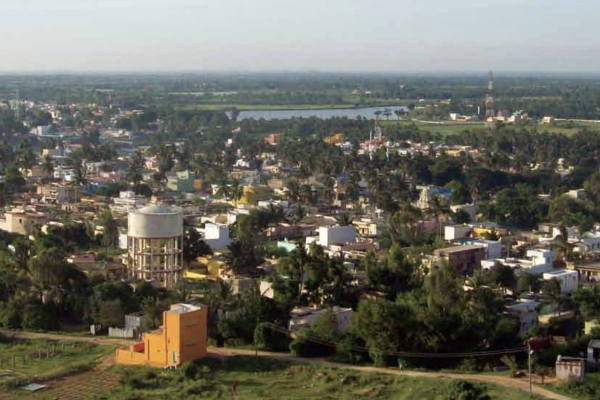

Rural water systems do not run on infrastructure alone. They run on people, their labour, skills and everyday decisions.
-
Published OnJul 2023
-
AuthorsApoorva Dhingra, Nidhi Batra
BACKGROUND
India’s expanding rural water infrastructure has created an urgent need for a skilled frontline workforce capable of managing increasingly complex water systems. As programmes like the Jal Jeevan Mission scale service delivery across the country, the sustainability of these systems depends not only on infrastructure but also on the people responsible for operating, maintaining and governing them.
This policy brief examines the nature of frontline work in water management and the gaps that currently exist in skills, training and institutional support. Drawing on research conducted under the Jal Kaushal initiative, the report explores the range of tasks performed across household water management, irrigation systems and community water governance. It highlights how many of these responsibilities remain fragmented across different actors, often without clear recognition, training pathways or career structures.
The brief argues that strengthening water security requires a stronger ecosystem of frontline workers who are equipped with the technical, managerial and community engagement skills needed to sustain water systems over time. By identifying gaps in roles, incentives and institutional support, the report provides insights into how workforce development can contribute to more reliable and sustainable water services across rural India.