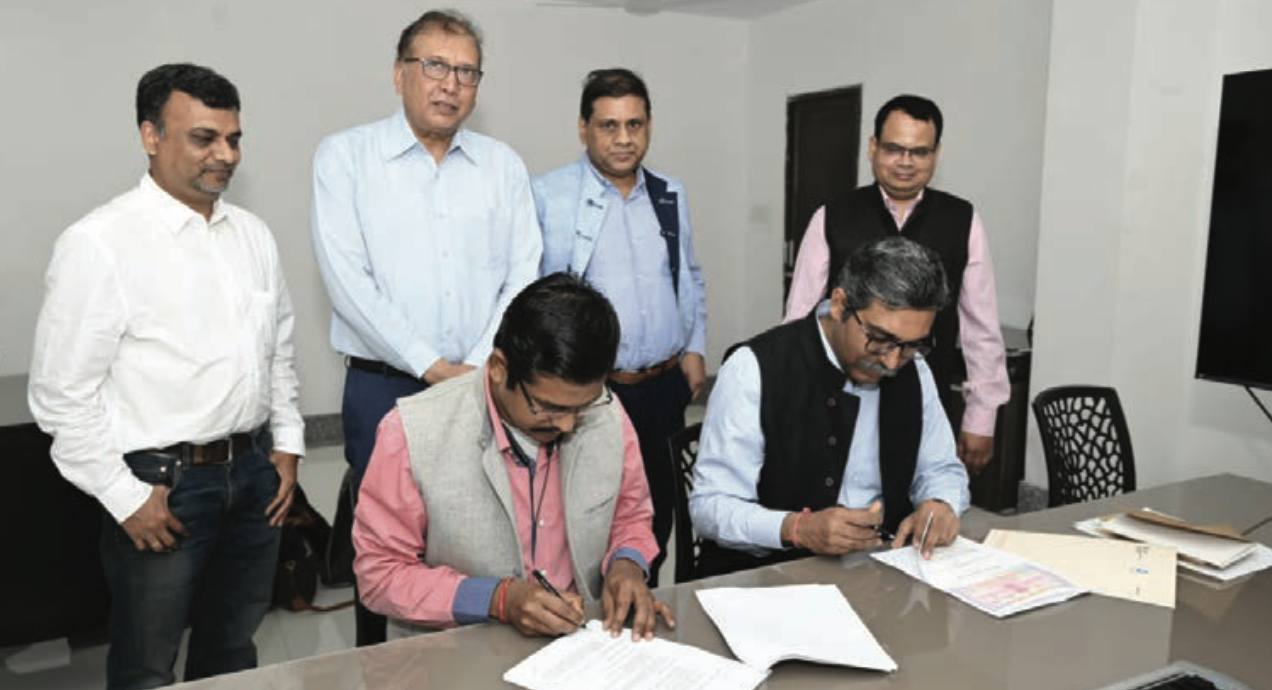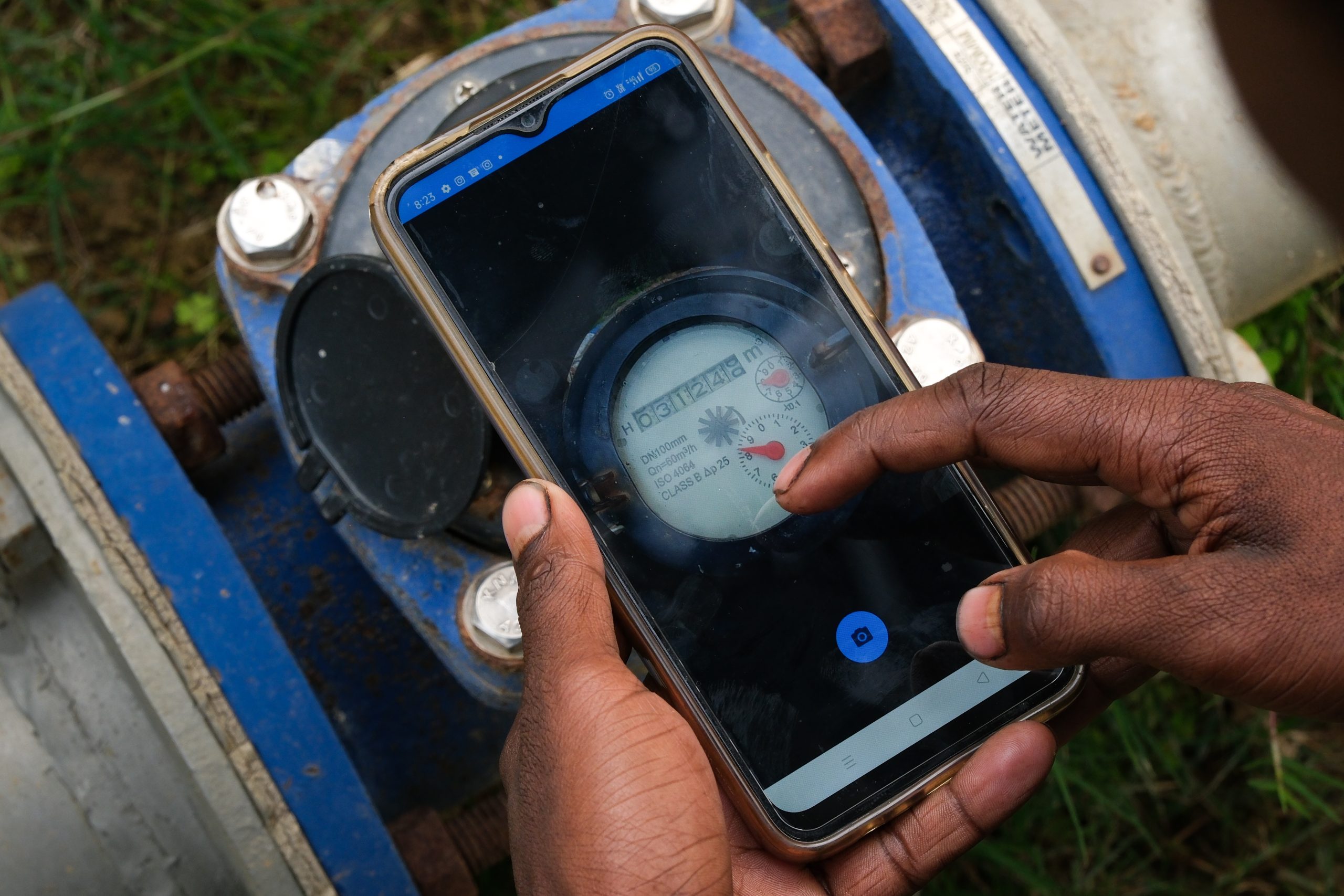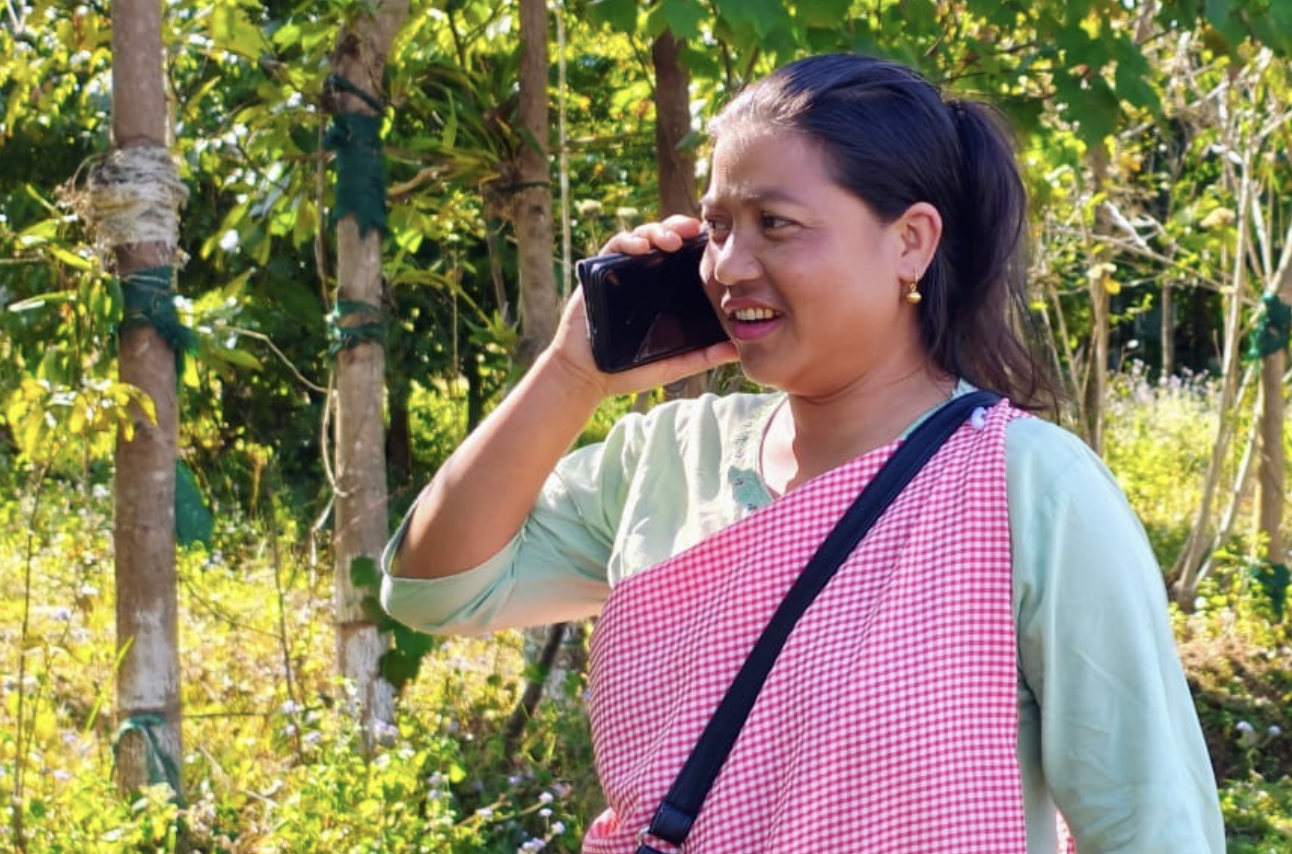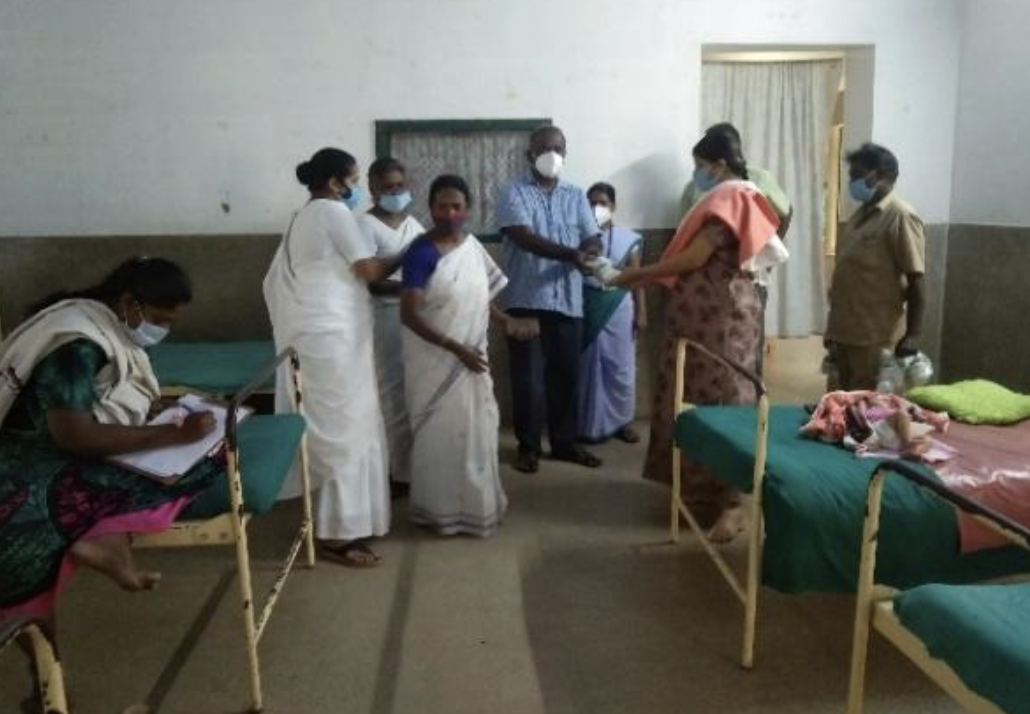

Digital systems enable population-scale impact by connecting data, people, and institutions so communities, frontline workers, and practitioners can manage water systems more effectively.
- Projects
10
- States
28
- Partners
22
- People trained
20,641
- Households
1,915,600
- People Reached
9,578,000
OUR APPROACH
Arghyam’s digital work focuses on strengthening water governance by building data systems and digital tools that help people and institutions make better decisions at scale.
Across India, water programmes generate large volumes of information on source conditions, infrastructure performance, water quality, and service delivery. Yet this information often remains fragmented across departments, platforms, and administrative levels. In many cases, the challenge is not only access to data but also the reliability and trustworthiness of that data.
Frontline workers, community institutions, practitioners, and programme managers all rely on information to manage water systems. Without trusted and timely data, it becomes difficult to identify problems early, respond effectively, and sustain reliable services.
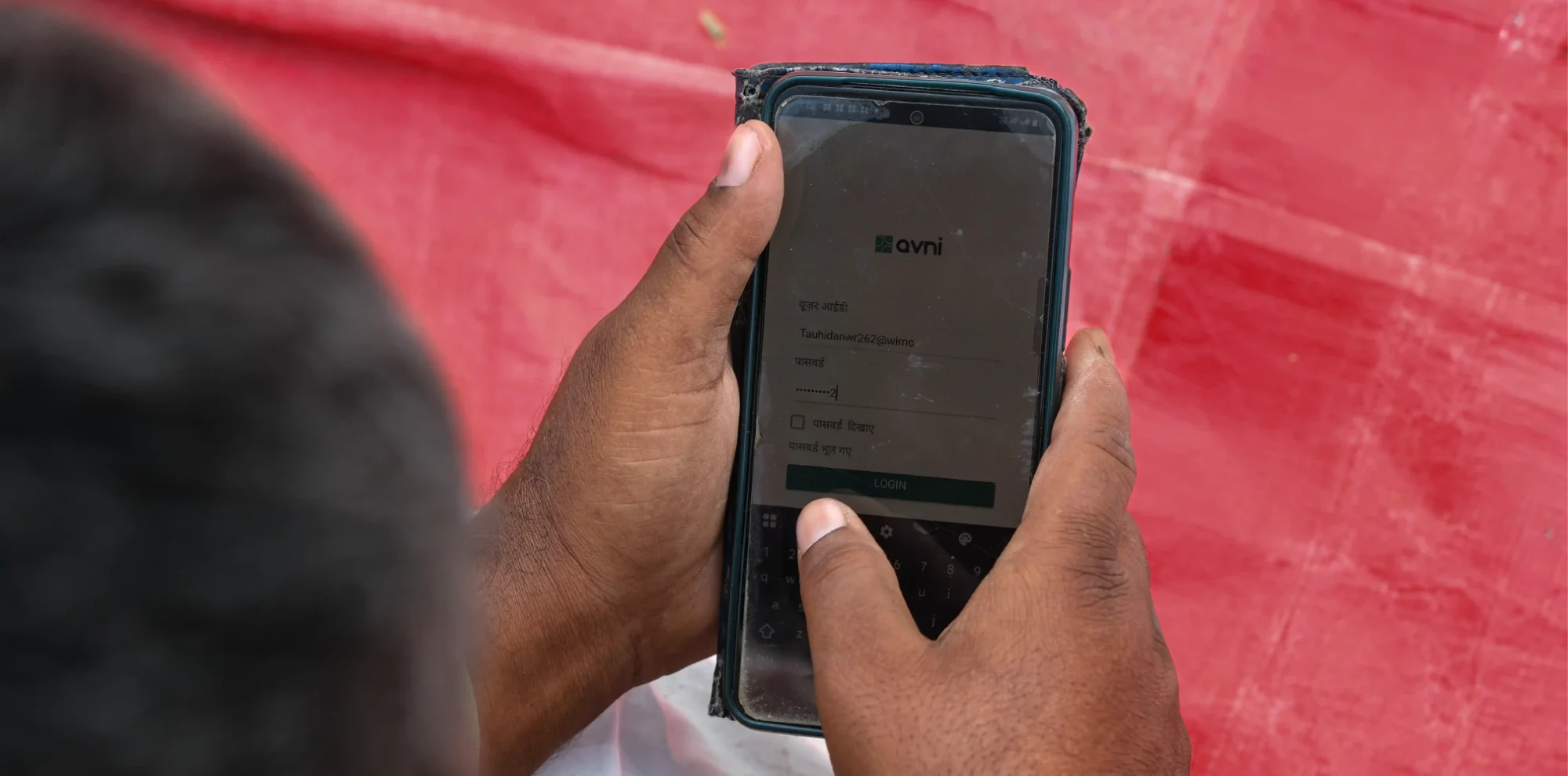
Our work therefore focuses on designing digital systems that help generate, verify, and share trusted data across the ecosystem. These systems support frontline workers in monitoring schemes, enable communities and practitioners to interpret local conditions, and help institutions track performance and plan interventions.
Increasingly, this work is moving toward shared digital infrastructure that allows systems to communicate with each other and scale across states. One example is the development of India’s Drinking Water Digital Public Infrastructure, which aims to create open standards and interoperable systems for the sector.
By connecting people, trusted data, and institutions, Arghyam’s digital work helps translate information into action and enables water systems to function more effectively at population scale.