

Background
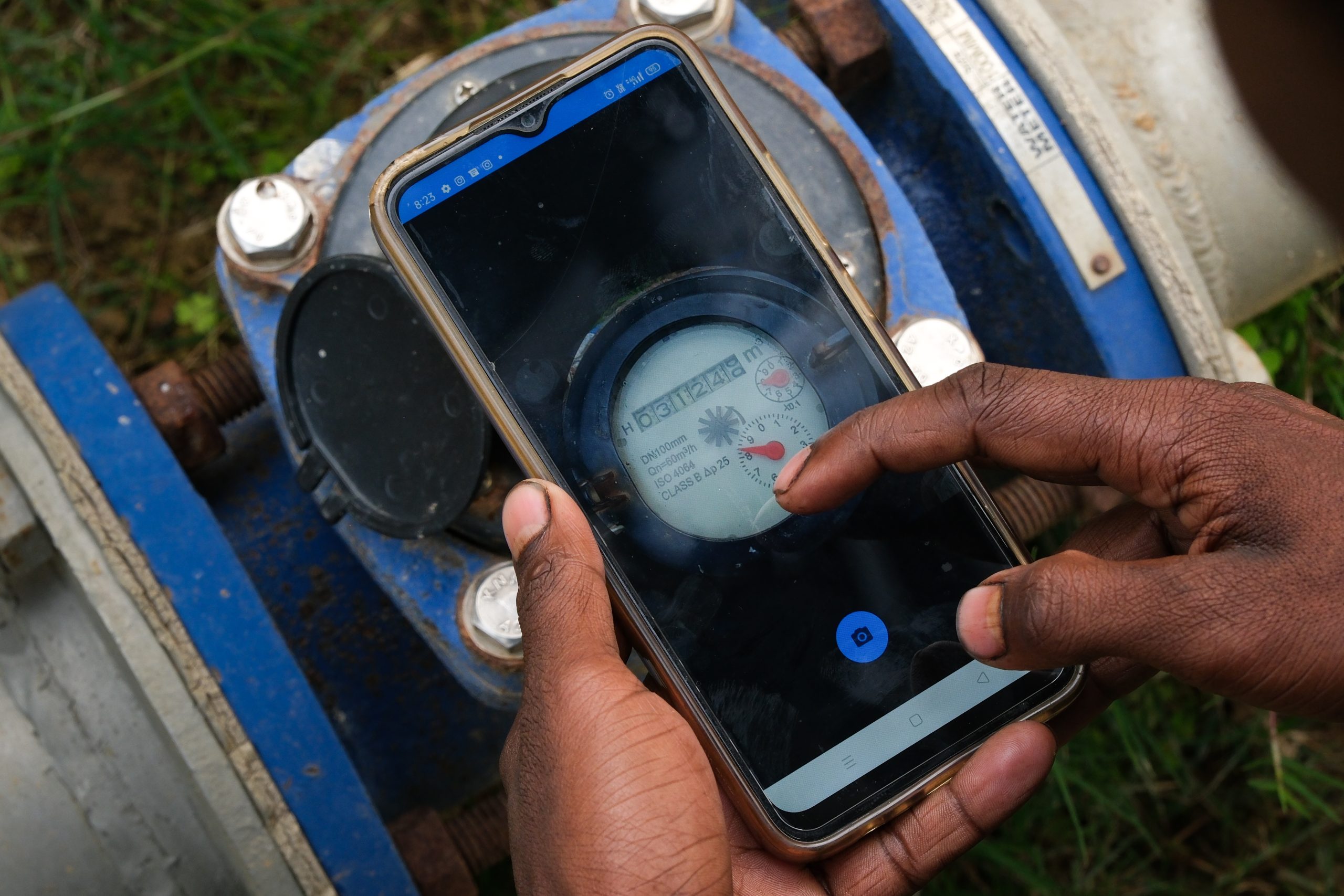
A water system can report that supply is flowing while a household experiences something else entirely. In one Assam scheme, the supply record and the citizens agreed. In another, the record looked healthy while residents said no water was reaching them. Both looked identical from the state capital. Only the households knew the difference. That gap raised a simple question. How can a government hear from citizens regularly, across thousands of schemes, rather than relying on the few who complain?
SOLUTION
Our Approach
JalKiBaat was developed with the Public Health Engineering Department, Government of Assam. It began by asking whether AI could hold a useful conversation with citizens about their water service, in their own words rather than fixed options. It could, though the language technology was not yet ready at scale, so the work moved to simpler calls and returned to AI as Assamese voice improved.
A harder question soon followed. Collecting feedback shows where something may be wrong. What happens next? The turning point came when the state began flagging schemes with low reported supply and acting on them, and citizen feedback started entering the government’s own grievance process.
That reset the ambition. The goal is no longer only to listen at scale. It is to close a loop between what citizens experience and how the government responds, and to turn everything learnt in Assam into an open product another state can adopt without repeating the experiments.