
Background
India’s Jal Jeevan Mission (JJM) has dramatically expanded rural drinking water infrastructure, bringing tap connections to millions of households across the country. As the mission moves from building infrastructure to sustaining reliable services, the focus is shifting towards long-term functionality, water quality assurance, and responsive operations and maintenance.
Ensuring that these systems continue to deliver safe and adequate water requires stronger monitoring, faster decision-making, and better coordination across institutions and communities. Digital systems already support parts of the mission through platforms that track infrastructure creation and water quality. However, these systems were largely designed for reporting progress rather than enabling continuous service delivery.
As the rural water ecosystem grows in scale and complexity, there is a need for a broader digital architecture that allows systems to work together, share data reliably, and support innovation by multiple actors. Digital Public Infrastructure (DPI) offers a way to create these shared digital foundations for the water sector and support the long-term sustainability of rural drinking water services.
SOLUTION
Our Approach
Advancing Digital Public Infrastructure for water requires both institutional collaboration and practical experimentation. Arghyam’s approach focuses on working closely with governments and technology partners to shape the architecture, test solutions on the ground, and build the institutional confidence needed for adoption at scale.
At the national level, Arghyam serves as the Digital Public Infrastructure partner for the Rural WASH Partners Forum (RWPF), a collaborative platform convened by the Ministry of Jal Shakti to strengthen coordination across organisations supporting the Jal Jeevan Mission. In this role, Arghyam contributes to advancing the vision of Digital Public Infrastructure for the rural drinking water sector and supports conversations on interoperable digital systems that can sustain service delivery at scale.
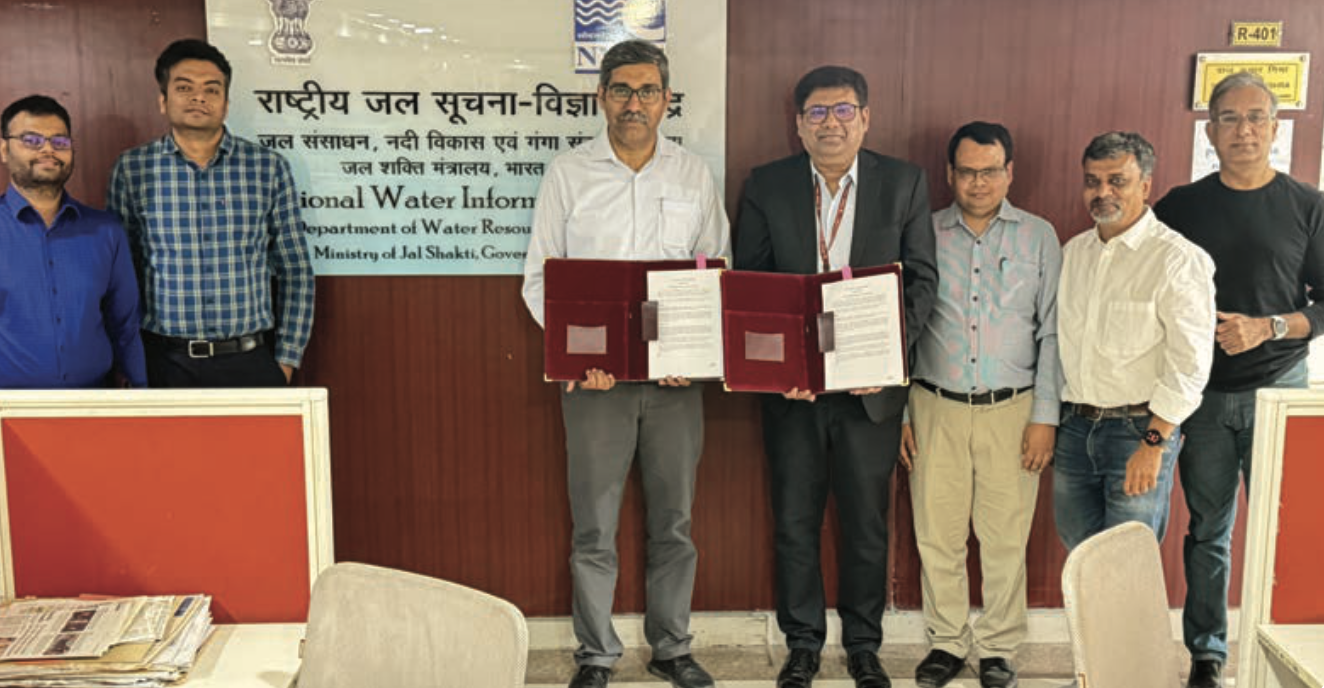
Arghyam has also partnered with SPM-NIWAS, the National Jal Jeevan Mission’s knowledge and capacity building unit, to help shape the conceptual and technical foundations of Digital Public Infrastructure for water. This collaboration focuses on exploring how shared digital building blocks such as registries, open standards, and interoperable data systems can strengthen monitoring, decision-making, and coordination across the ecosystem.
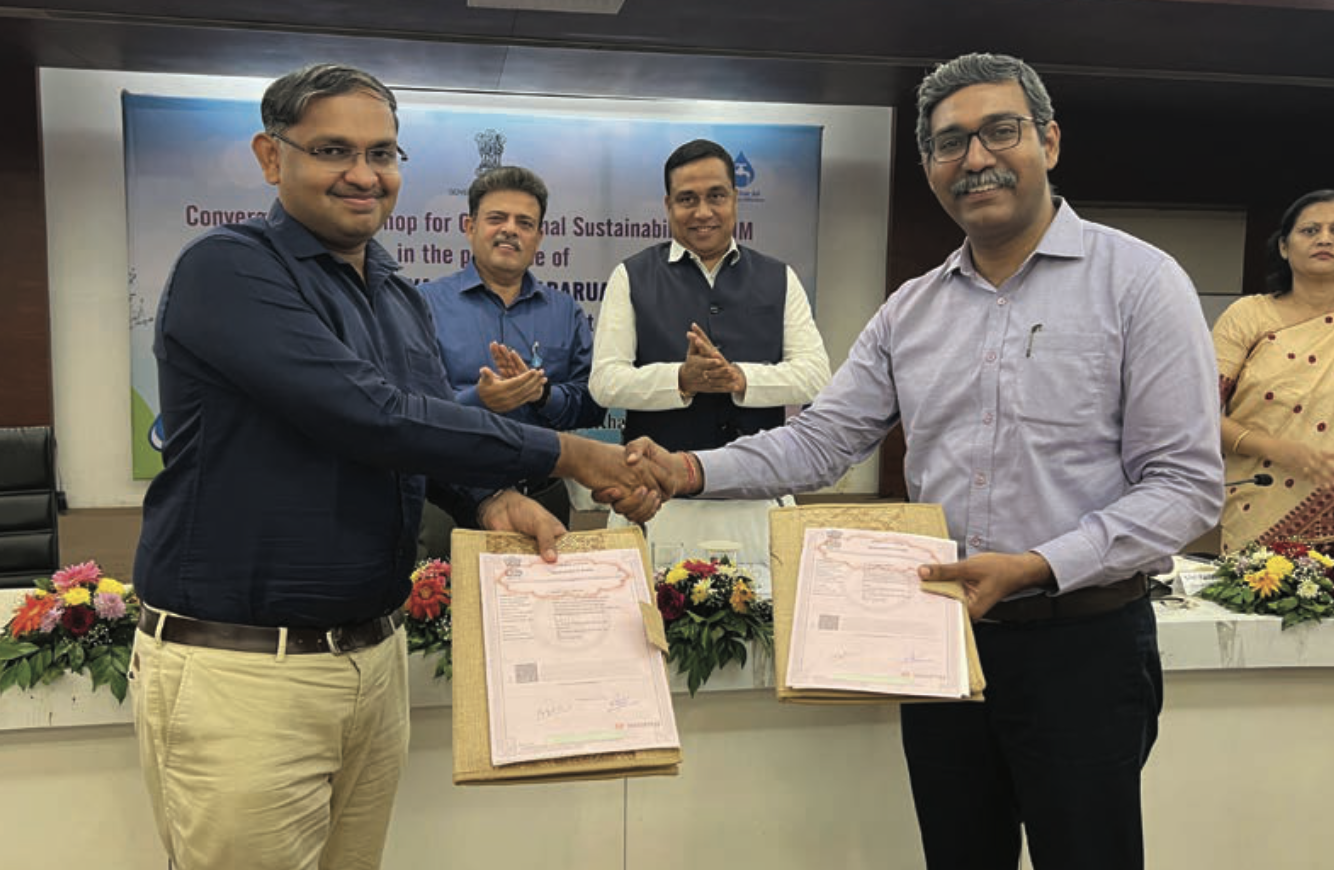
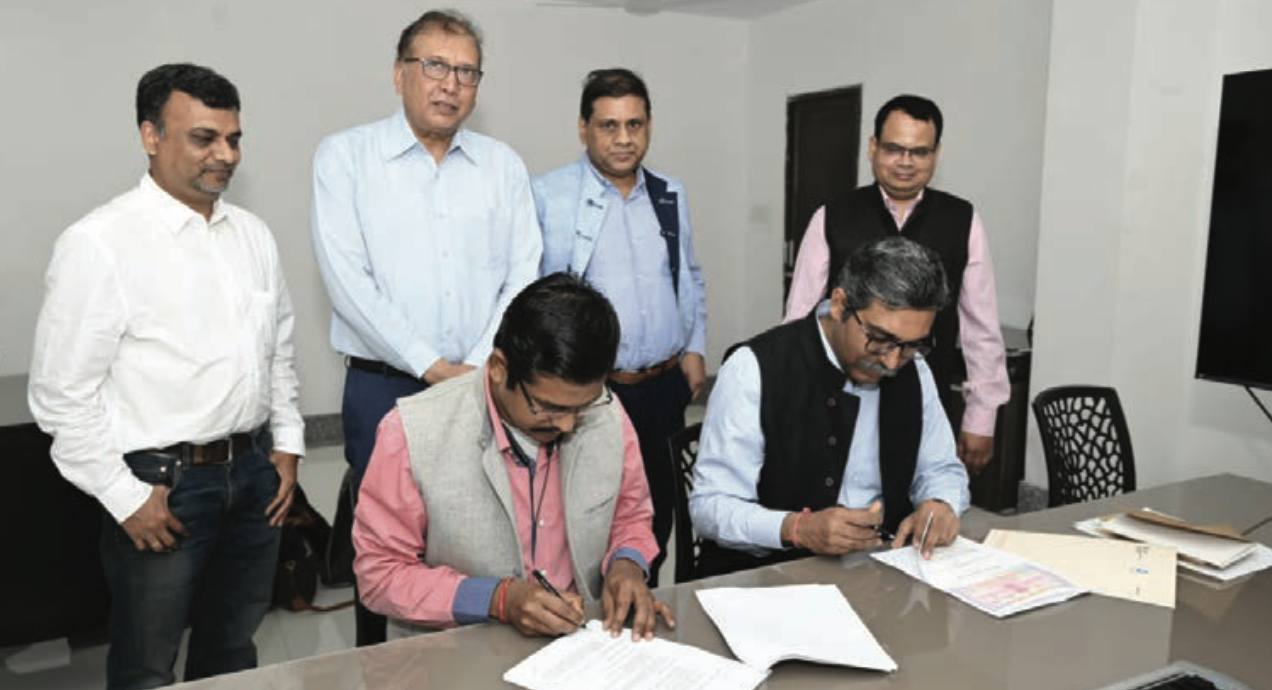
Alongside this national engagement, Arghyam is working with state governments to pilot digital solutions that demonstrate how DPI can strengthen everyday water governance. In Assam, Arghyam has signed a Memorandum of Understanding with the Public Health Engineering Department (PHED Assam) to support digital initiatives under the Jal Jeevan Mission. This collaboration focuses on developing and testing digital tools that improve monitoring, transparency, and responsiveness in rural water supply systems.
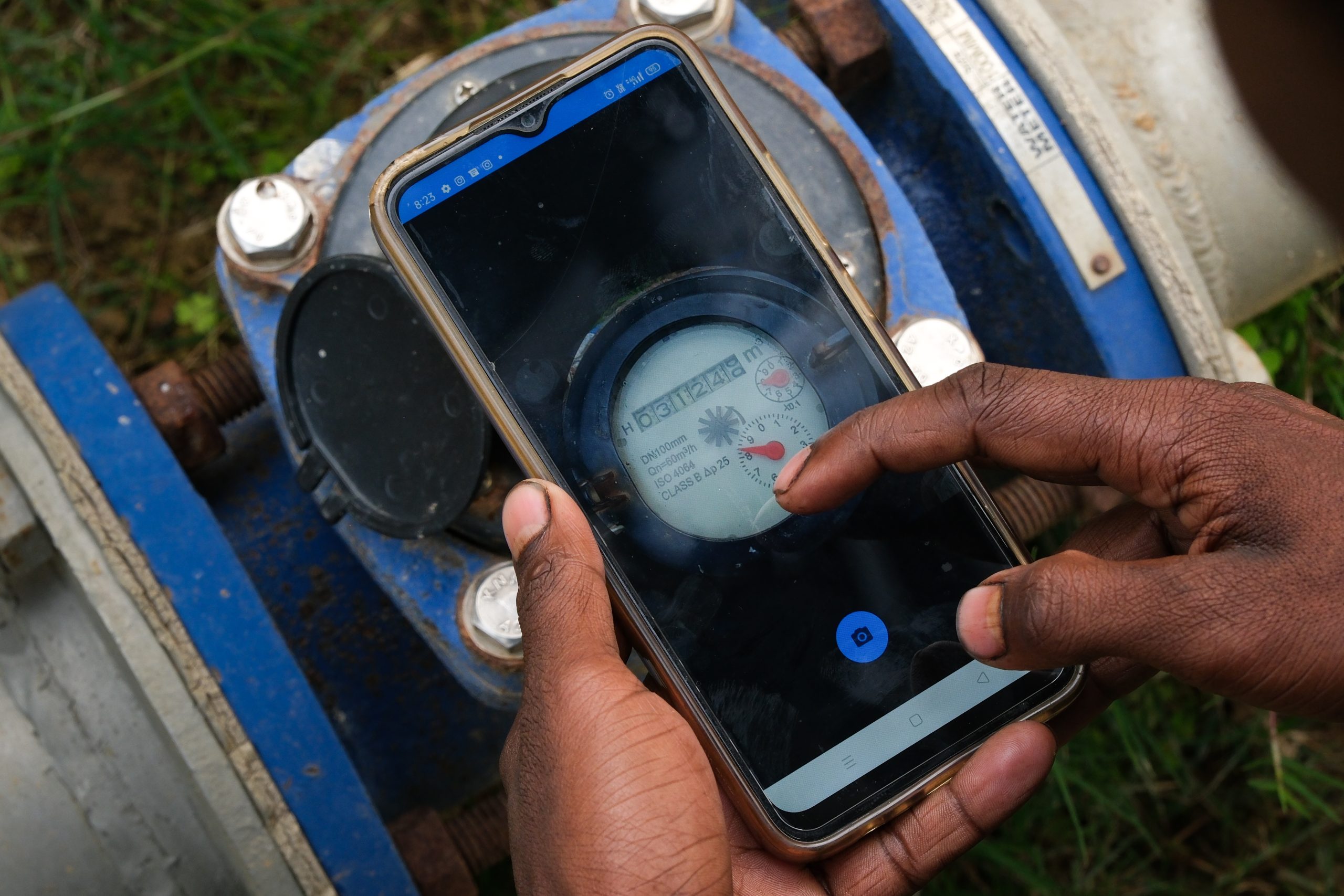
To advance these efforts, Arghyam has partnered with technology organisations including People Plus AI and Reverie, exploring how emerging technologies such as artificial intelligence and multilingual digital platforms can support frontline workers, improve data capture, and generate insights that help administrators respond more effectively to service delivery challenges.
Through this combination of national engagement, state partnerships, and technology collaboration, Arghyam aims to help build a digital ecosystem where multiple actors can contribute interoperable solutions that strengthen the reliability, transparency, and responsiveness of rural drinking water systems.