
Background
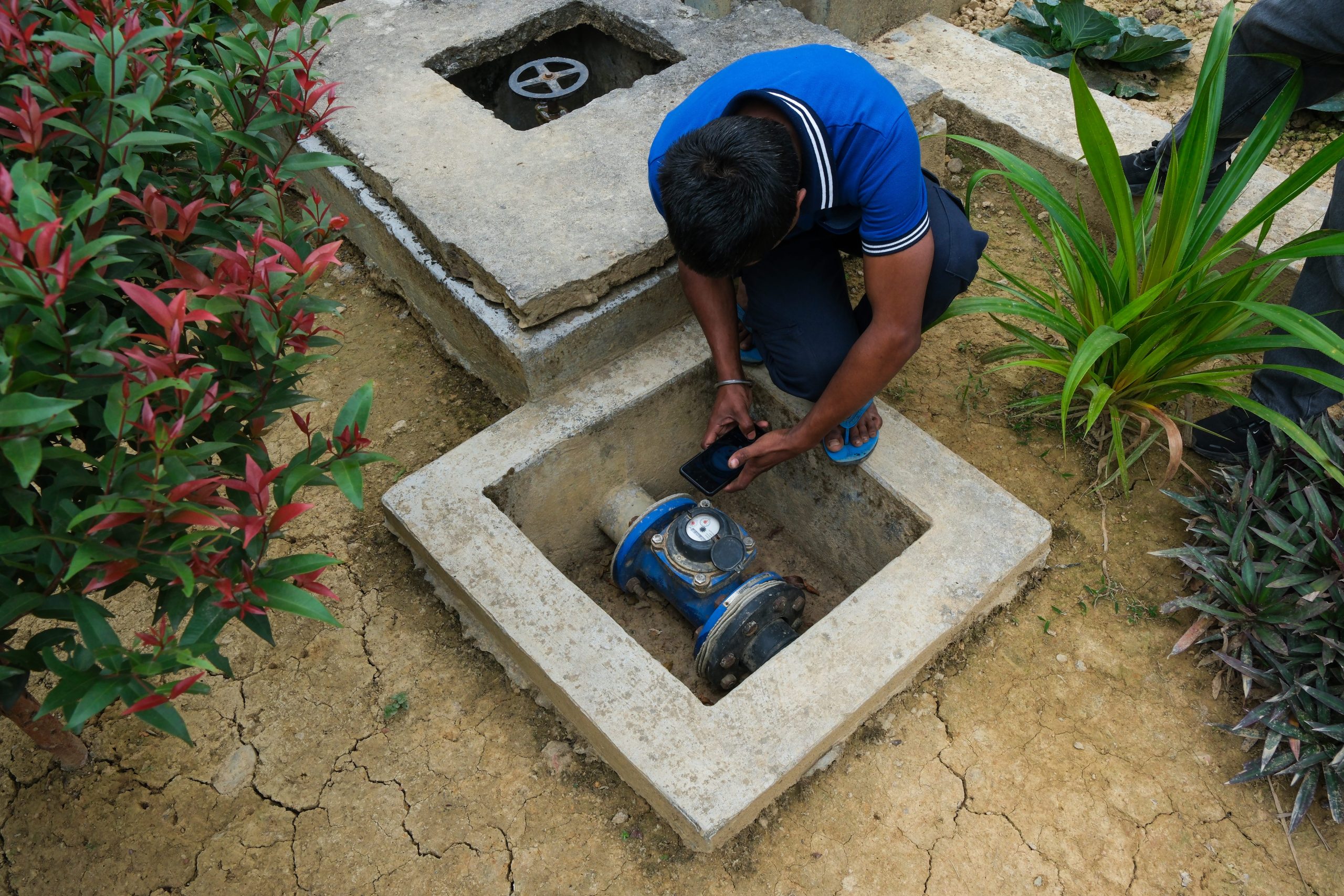
Reliable operation of piped water supply schemes depends on timely field data. In Assam, bulk flow meters are a key measurement point for understanding whether schemes are functioning and how much water is flowing through the system. Jal Mitras were expected to record daily readings through an existing mobile application but adoption was uneven and data quality varied. This reduced visibility for supervisors and limited timely action on emerging issues. Arghyam worked with the Government of Assam to test whether a simpler workflow could strengthen first-mile reporting. Jal Sarathi was designed as a pilot that combined a familiar interface with AI-assisted reading of meter images, with the aim of improving data reliability and supporting better monitoring of scheme performance.
SOLUTION
Our Approach
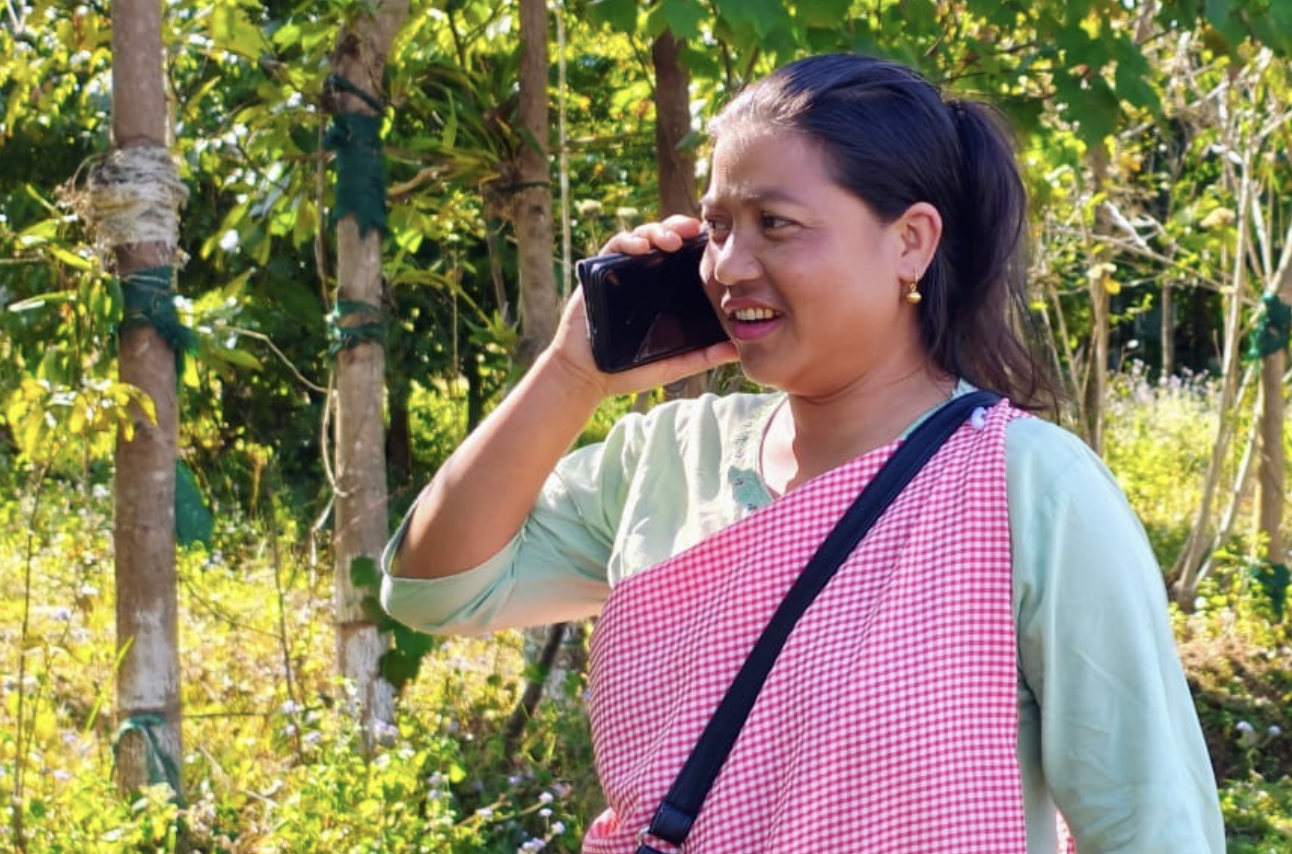
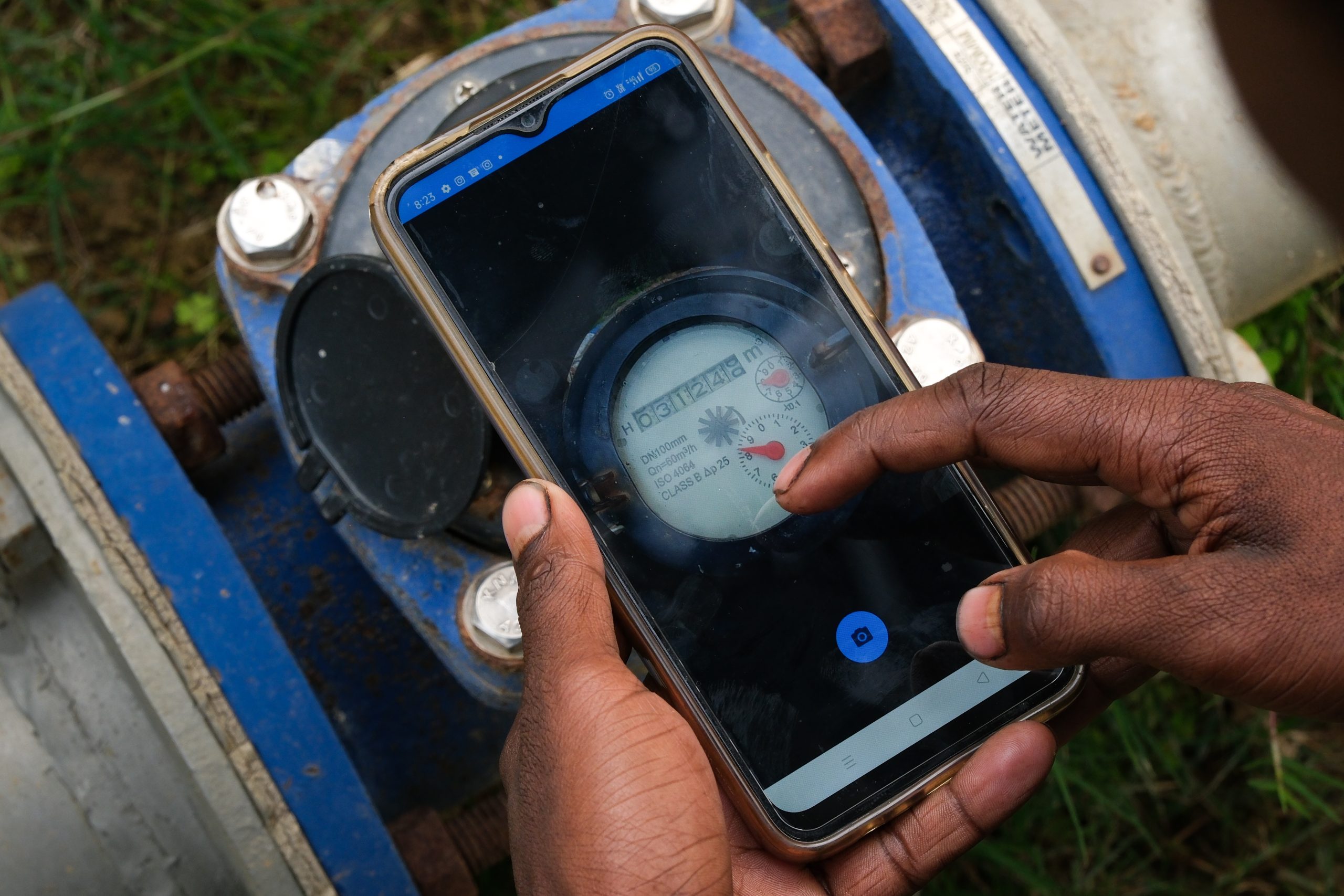
Jal Sarathi was built around the tools Jal Mitras already use. WhatsApp was selected as the primary interface because it is widely adopted and lowers the friction of daily reporting. Jal Mitras could upload a photo of the bulk flow meter instead of manually typing readings. An AI-based vision pipeline extracted the meter value from the image, which reduced manual entry errors and created an auditable record.
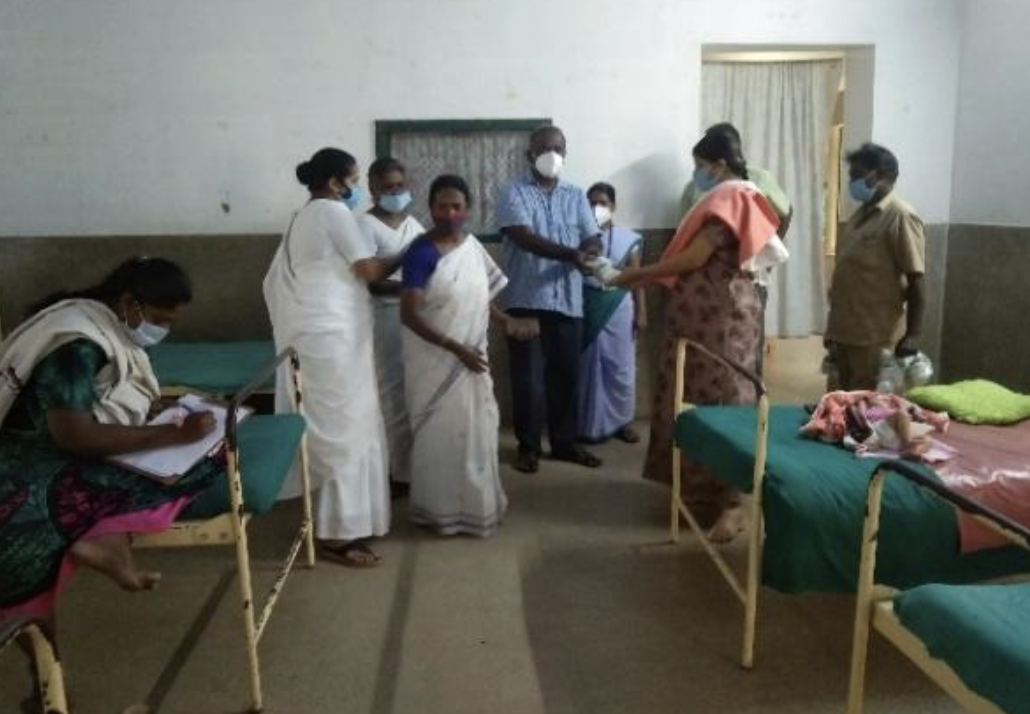
The pilot was implemented across three districts in Assam. Onboarding was done through in-person training sessions at the block level and the system used routine nudges to encourage consistent reporting. During the pilot, 1,402 bulk flow meter readings were recorded, reaching 97 percent of the target. The initiative also created a large dataset, collecting more than 11,000 meter images to improve model performance.
Engagement analytics were used to understand behaviour change. 51 percent of participating Jal Mitras were active, defined as submitting at least four readings per week. The pilot also helped revive usage among previously inactive users of the Jal Mitra App, with 42 percent of inactive users returning to record readings. Overall engagement increased by 85 percent and activity on the Jal Mitra App rose by 84 percent during the pilot period. On the AI side, accuracy improved from 55 percent to 97.7 percent through iterative refinement informed by field conditions and image quality issues.
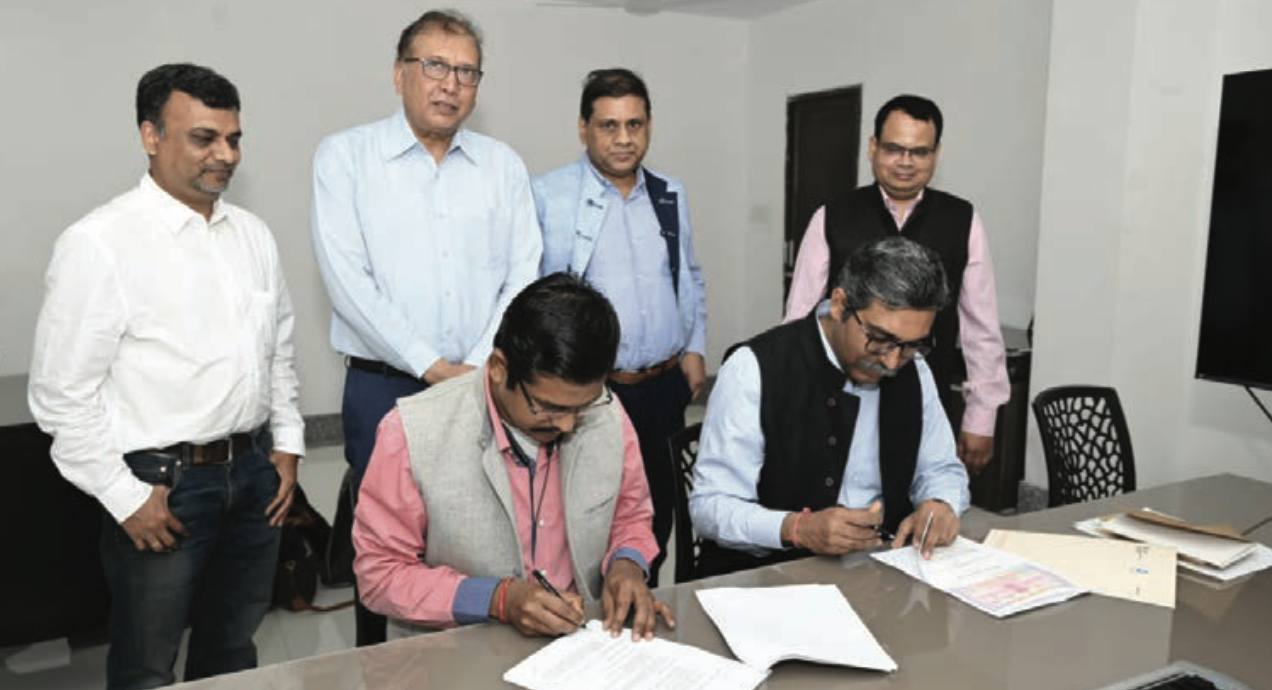
Beyond the core workflow, the project examined how trusted field evidence can reduce contestation and support faster decisions. The intent was not only to generate readings but to make the data usable for supervision, dashboards and issue resolution. Jal Sarathi provided the foundation for productisation as Jal Soochak, with planned integration into state systems.